
OEM vs ODM sunglasses: faster route to market
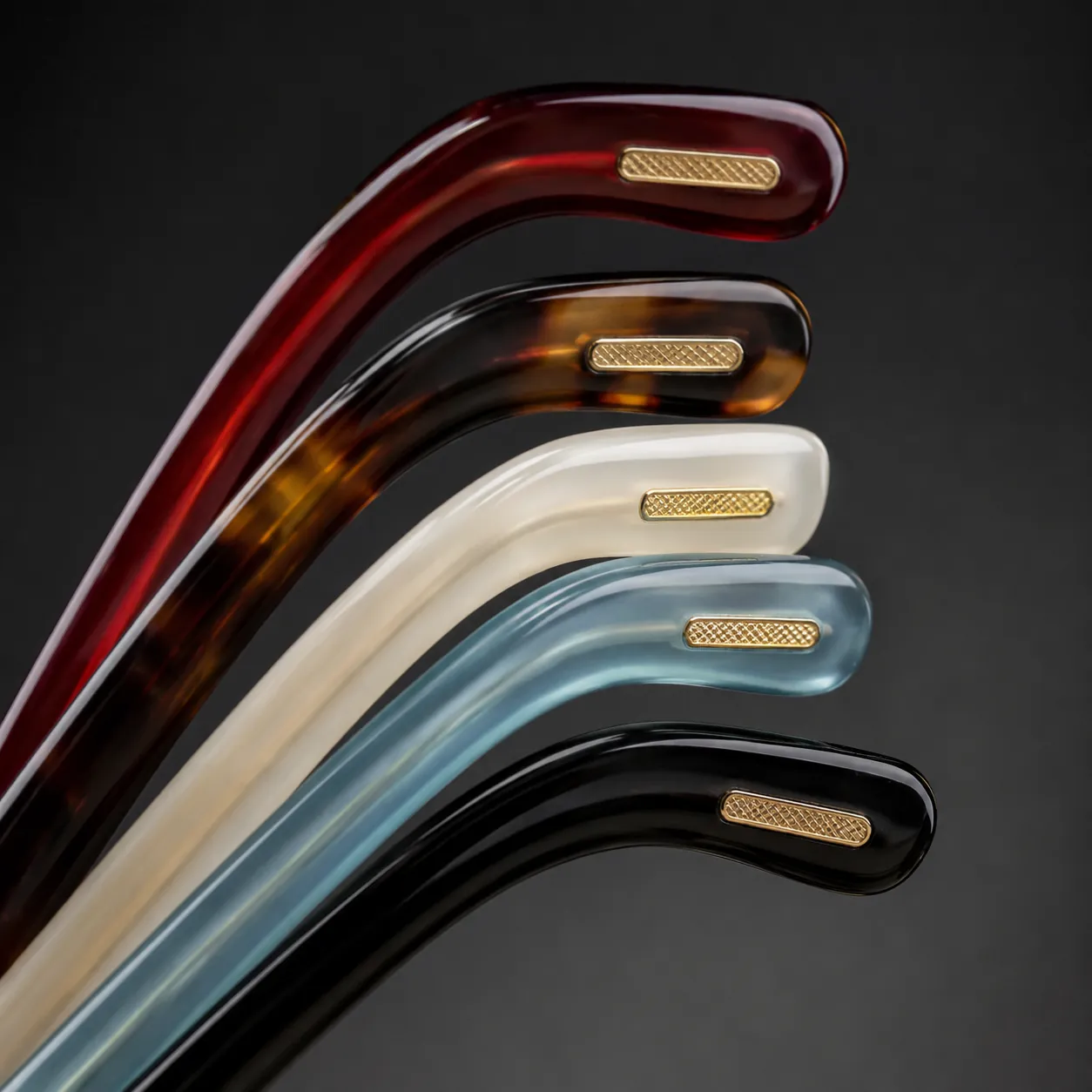
If you are a brand owner, importer, distributor, or retailer trying to get sunglasses to market quickly, the OEM vs ODM choice affects lead time, cash flow, and margin. OEM gives you more control over frame shape, fit, finish, and branding, but it usually takes more development work. ODM gets you into market faster with lower development risk and simpler sampling, but you give up some exclusivity and design control. The real question is not which model sounds better. It is which one fits your launch window, budget, and required level of differentiation.
Start with the business problem, not the design preference
Many buyers begin with the wrong question: "Do I want OEM or ODM?" A better starting point is commercial. Ask three things first: how fast you need to sell, how much gross margin the SKU must carry, and how much design control the channel requires. If you are supplying a seasonal retail calendar, a promotion, or a trade show order, speed usually matters more than originality. If you are building a long-term brand with repeat SKUs, OEM can make sense because the custom asset can be reused across seasons.
In sunglasses sourcing, the difference shows up quickly in the amount of engineering work required. ODM usually starts from an existing frame family: the base shape, tooling, and process parameters already exist. OEM usually means changes to the front geometry, temple shape, hinge position, lens curve, logo treatment, or packaging structure. Even a small change, such as moving a logo a few millimeters, may require a new artwork file or fixture adjustment. A structural change, such as altering bridge height or front width, can trigger a new sample cycle.
For sunglasses, fit variables are concrete. Temple length, lens size, bridge width, hinge alignment, and arm tension all affect wearability and production consistency. If a supplier cannot discuss these points clearly, they may be acting more like a catalog seller than a production partner.
The practical rule is simple: if you need product on the shelf fast, start from a proven platform and change only what the customer will notice.
What ODM actually buys you in a fast launch
ODM is the faster path because the factory works from an existing frame family. In eyewear, that usually means a tested front shape, established tooling, known assembly steps, and decoration options that already fit the line. You choose from existing shapes, colors, lens tints, hinge finishes, and packaging structures, then apply your logo or a small visual change.
The commercial benefits are practical:
- Shorter sample cycle: less new CAD work, fewer engineering reviews, and fewer fit revisions.
- Lower development spend: no new front mold, or only minor mold inserts and surface adjustments.
- Lower production risk: the frame geometry has already run through the factory line and QC checkpoints.
- Faster first purchase order: useful for launch windows, retailer resets, and marketplace testing.
ODM is often the best choice when you want to test demand. A buyer can place a smaller order across one or two proven frames, then read sell-through before investing in a custom shape. That turns market response into data. You learn whether consumers respond more to lens tint, frame thickness, or logo placement before you spend on new tooling.
The tradeoff is reduced exclusivity. Another buyer may purchase the same base platform or a visually similar one. You also get less control over bridge fit, temple angle, lens coverage, and details such as hinge placement or the exact depth of a temple logo. If your brand depends on a distinctive silhouette, ODM may feel too generic.
Where OEM pays off and where it slows you down
OEM is the path for buyers who want a product that belongs to their brand, not just a private-label version of a common frame. That can mean a custom front shape, a different acetate thickness, a specific temple core pattern, a distinct lens wrap angle, branded metal plates, or a proprietary surface finish. It can also mean developing around a target retail price and compliance requirement from the start.
OEM is worth the extra work when the SKU must do one of these jobs:
- Carry a brand identity that should not look interchangeable with other market offerings.
- Meet a fit requirement for a specific user group or face width.
- Support a channel margin with a controlled bill of materials.
- Be reorderable across multiple seasons with the same core asset.
The slowdown comes from the number of variables. If you change the frame front after first sampling, the mold may need insert adjustments or additional polishing. If the lens size changes, coverage and visual balance may shift. If a logo moves from print to a metal plate, the assembly steps and inspection points change. These changes are manageable, but they add calendar time and cost.
Material choice matters too. Injection-molded PC or TR90 frames are generally faster to produce and lighter in weight, but they behave differently under heat than acetate. TR90 is flexible and impact resistant, which suits sporty or value-oriented frames. Acetate can deliver a richer polished surface and stronger premium perception, but it requires block preparation, cutting, tumbling, and more finishing time. Metal frames can look refined and slim, but they introduce plating, soldering, and tighter assembly control around temples, pads, and hinges.
OEM also depends on clear instructions. A vague request like "make it premium" creates waste. A precise brief with dimensions, color target, lens tint, hinge style, logo method, and packaging specification helps the factory work faster and reduce rework.
Cost, MOQ, and lead time: the real tradeoff table
The simplest way to compare OEM and ODM is to look at what changes landed cost and calendar time. Real projects vary, but the pattern is predictable: new tooling, new packaging, and complex decoration increase both time and cost. Simpler specifications compress both.
| Factor | ODM sunglasses | OEM sunglasses |
|---|---|---|
| MOQ | Often lower; some styles can be produced from smaller runs when the platform is already set | Usually higher if the order needs new tooling, insert work, or multiple sample rounds |
| Sample time | Usually faster when buyers select existing molds and standard decoration | Usually longer if the front shape, fit, finish, or logo structure still needs development |
| Bulk lead time | Typically shorter after approval when specs are stable | Typically longer when tooling and product development are still active |
| Unit price behavior | Improves as setup cost is spread over volume | Also improves with volume, but custom development and tooling must be amortized |
| Control | Moderate | High |
| Speed to market | Fast | Medium |
Unit price depends heavily on specification. A basic frame with standard tint, simple logo, and standard pouch will cost less than a frame with polarized lenses, gradient tint, upgraded hinges, metal logo plates, or custom rigid packaging. Buyers often compare only the frame price and forget the full landed package.
MOQ is equally important. A small opening order can reduce inventory risk, but splitting one launch into too many designs increases production complexity and artwork approvals. In many cases, two or three strong styles perform better than ten weak ones.
The production steps that decide speed
Speed is not a marketing claim. It comes from process control. In sunglasses manufacturing, time is won or lost at specific checkpoints:
- Frame development: existing ODM platform versus a new OEM shape and fit specification.
- Tooling and molding: injection mold readiness, acetate block preparation, or metal forming setup.
- CNC and trimming: temple geometry, edge smoothness, and fine fit corrections.
- Surface finishing: polishing, matte texture, sanding, tumbling, or coating consistency.
- Lens work: tint matching, polarization, UV performance, and centering.
- Decoration: pad print, hot stamping, laser engraving, embossing, or metal logo plate placement.
- QC and packing: hinge tension, arm symmetry, lens defects, dust control, and carton verification.
Each material behaves differently on the line. PC frames can be molded quickly, but they need controlled cooling to reduce warping. TR90 is flexible, which helps comfort, but some decorative finishes may need extra process tuning. Acetate is often polished for a premium look, but it is more time-intensive to finish consistently. Metal frames require tighter soldering and plating control, especially when the buyer wants a premium surface without pits, oxidation, or color variation.
Decoration method is another speed lever. Pad printing is usually the quickest and most economical for logos on flat or lightly curved surfaces, but it depends on surface prep and wear resistance. Laser engraving is clean and durable on metal or coated parts, but it needs the right substrate and setup. Embossed temple marks can look premium, yet they often require tooling changes. Metal logo plates add perceived value, but they also add assembly steps and inspection points.
When a factory keeps development, molding, finishing, lens work, and decoration under one roof, fewer handoffs are needed. That can reduce waiting time and make problem-solving faster. Still, no factory can erase the need for precise buyer feedback. A note such as "make the temples better" is too vague. Specific feedback saves time.
How to choose: a practical buyer decision framework
Use a simple filter so the first order does not become overbuilt. The right choice depends on how much differentiation you truly need before the product reaches customers.
| Your situation | Better fit | Why |
|---|---|---|
| You need stock for a near-term launch or seasonal reset | ODM | Fastest route to sampling and bulk production with limited engineering work |
| You need a distinct brand look and repeatability | OEM | Custom geometry and branded details support long-term differentiation |
| You are testing demand in a new channel | ODM first, then OEM | Reduce launch risk before investing in custom development |
| You are buying private label with moderate volume | Hybrid | Start from an existing platform and customize only visible parts |
A hybrid approach is often the best compromise. For example, keep the base frame as ODM, then change the lens tint, temple decoration, logo method, case style, and carton artwork. This keeps speed while avoiding a generic shelf look. It works especially well for distributors and retailers who need quick turns but still want to differentiate their assortment.
Compliance should be confirmed before any design is frozen. Common eyewear and supply-chain frameworks include CE EN ISO 12312-1, ANSI Z80.3, AS/NZS 1067, REACH, FDA registration, ISO 9001, and BSCI. These credentials do not mean every style automatically meets every market requirement. The final lens category, labeling, test plan, and product claims still matter. A fashion tint is not the same as a certified sun lens for a specific market.
What to ask a supplier before you place the first PO
Before placing the first purchase order, ask questions that reveal whether the supplier can actually deliver the timeline they promise:
- What is the exact sample lead time for this style?
- Is the quotation based on an existing ODM platform or on a new OEM development?
- What is the MOQ by color, lens type, and packaging format?
- Which parts are in-house and which are outsourced?
- What is the tolerance for lens size, temple length, and hinge alignment on this style?
- Which decoration method is being used, and what are the durability limits?
- What compliance documents can you provide for this market?
- What changes will trigger a new sample or a new lead time?
The best suppliers answer in operational terms. They can tell you what is standard, what is optional, and what will add time. They can also explain the difference between a sample that looks right and a production line that can hold that result at volume.
If the supplier cannot define these points clearly, the risk is not only quality. The bigger risk is schedule drift. For a fast launch, clarity is more valuable than an aggressive price quote.
Have a custom sunglasses project in mind?
Send us your styles, target market and quantities and we will return a detailed quote with MOQ, lead time and a sample plan.
Get a QuoteWhy source this from Wenzhou with LumiShades
Wenzhou in Zhejiang Province is widely regarded as China’s eyewear manufacturing capital, producing a large share of the world’s sunglasses. That concentration matters to buyers: a deep local supply chain for acetate sheet, hinges, lens blanks, plating and packaging means shorter component lead times, easier color and material matching, and a workforce with decades of eyewear-specific skill. LumiShades has manufactured in this ecosystem since 2009, and our vertical integration — in-house injection molding, acetate cutting, CNC milling, lens tinting, decoration and quality control — means no part of your order is quietly subcontracted to a workshop you cannot audit.
For international buyers, that vertical control translates into accountability. When a single factory owns every step, defects are traced and fixed at source rather than bounced between vendors, and your specifications survive intact from first sample to bulk. We back this with 15+ years of experience, shipments to 60+ countries, more than 5 million pairs produced per year and a 98.5% on-time delivery rate. Our certifications — CE EN ISO 12312-1, FDA registration, ANSI Z80.3, AS/NZS 1067, REACH, ISO 9001 and BSCI audit — mean the compliance documentation your market requires already exists. Explore our manufacturing capabilities and quality control process to see how this works in practice.
Frequently asked questions
Is ODM always faster than OEM for sunglasses? Usually yes, but only if the ODM platform is already developed and the order uses standard materials, lenses, and decoration. If the ODM style still needs artwork changes, special packaging, or a new color match, the timeline can widen. Ask for a written sample lead time and bulk lead time tied to the exact specification.
What is the safest way to test a new sunglasses market with low risk? Start with ODM or a hybrid order. Choose one or two proven frame families, limit the number of colors, and keep packaging simple. This reduces development work while giving you real sell-through data before you invest in custom tooling.
When should I choose OEM instead of ODM? Choose OEM when the product needs a distinct brand identity, a specific fit profile, or repeatable season-over-season ownership. OEM is also the better choice when you need to control the frame structure, lens geometry, or premium finishing details more tightly than an off-the-shelf platform allows.
What MOQ should I expect for custom sunglasses? MOQ depends on the platform, materials, and decoration method. For some ready platforms, smaller runs may be possible. For new OEM development, MOQ is often higher because the factory must recover tooling, setup, and sample costs. Always ask whether MOQ is by design, by color, by lens type, or by packaging.
What compliance documents should a sunglasses supplier be able to discuss? For common markets, ask about CE EN ISO 12312-1, ANSI Z80.3, AS/NZS 1067, REACH, FDA registration, ISO 9001, and BSCI. These do not guarantee automatic compliance for every style, but they show the supplier understands the framework and can support the relevant testing and documentation.
How do I reduce lead time without sacrificing branding? Use a hybrid approach: keep the base frame from an existing platform and customize visible elements such as lens tint, logo method, temple decoration, case, and carton art. That preserves speed while still creating a more ownable product.
Ready to start?
Explore our shield & oversized sunglasses or request a quote — our sales team replies within 12 hours.
Request a Quote