
When Hard Coating Is Worth It for Sunglass Lenses
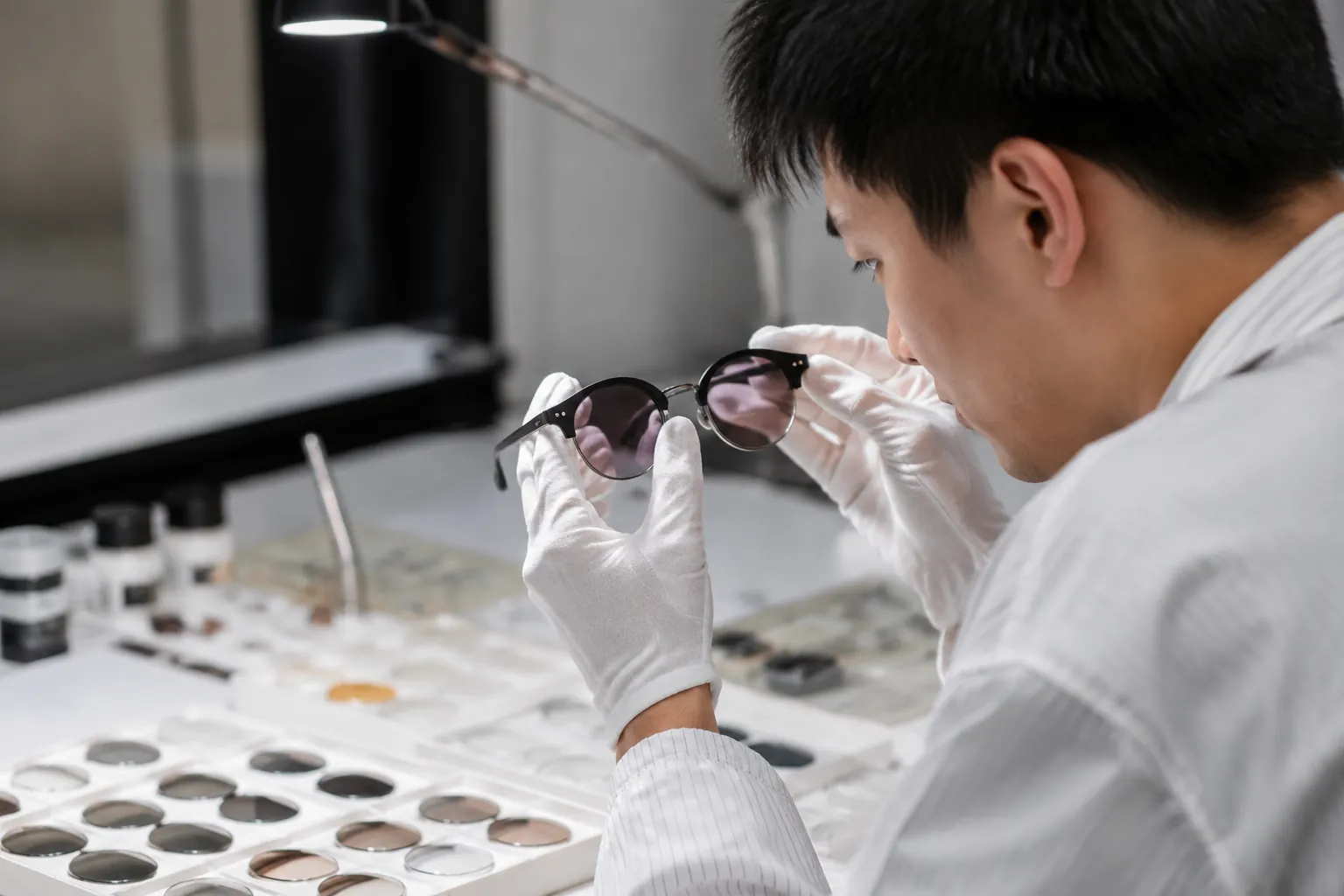
This guide is for buyers sourcing custom sunglasses at volume: brand owners, importers, distributors, promotional buyers, and retail chains. The question is not whether hard coating sounds premium. It is whether the extra lens cost pays back through fewer complaints, fewer retailer issues, and better shelf appearance. Four factors decide it: lens material, retail price band, channel handling intensity, and how the product is packed, shipped, and used. Used selectively and specified correctly, hard coating can protect margin. Used by default, it can just add cost.
Start with the return problem, not the coating
Many buyers ask for scratch-resistant coating as a quick quality upgrade. That is the wrong place to start. First identify where lens marking happens and when it is first seen.
In most sunglass programs, scratch-related complaints fall into three buckets:
- Transit and pack-out damage: lenses rubbing against packaging, inner trays, polybags, or other parts during packing and freight.
- Retail handling damage: repeated try-ons, shelf cleaning, or contact on open display before sale.
- End-user abrasion: pouch contact, bag storage, dry wiping, paper tissue use, or dust-contaminated cleaning cloths after purchase.
Hard coating matters most in the third bucket and part of the second. It does little for the first if the root cause is bad packaging or rough handling inside the factory. If lenses arrive with scuffs or rub marks, fix pack-out and handling controls first: lens separation, stable inner packing, cleaner workstations, dust control, and protected transfer between processes.
For PO decisions, split the issue into factory-caused cosmetic defects, channel handling damage, and consumer-use damage. The cost logic changes with the cause. A low-price promotional SKU with a short use cycle may not justify extra lens cost. A mid-market or premium retail SKU often will.
Simple rule: review return codes, retailer feedback, inspection photos, and complaint timing before approving the coating. If complaints show up on receipt or right after unpacking, check manufacturing and packaging first. If they appear after normal handling or short-term wear, hard coating becomes more relevant.
What hard coating actually does
Hard coating is a surface treatment that improves abrasion resistance on plastic lenses. It matters most on polycarbonate and acrylic, both common in commercial sunglass production and both easier to mark than many buyers expect. It does not make lenses scratch-proof. Any supplier claim that says otherwise is wrong.
In practice, hard coating helps reduce fine hairline scratches, wipe marks, and light cosmetic abrasion from routine handling and cleaning. That helps lenses stay cleaner-looking during retail display and normal use. The benefit often shows up fast under strong store lighting, where untreated plastic lenses can develop swirls and rub marks sooner.
The process itself is straightforward on paper but sensitive in production. A typical lens flow may include:
- Lens molding or cutting and edge finishing.
- Cleaning to remove dust, oil, and processing residue.
- Coating application by the supplier's chosen method.
- Curing under controlled conditions.
- Inspection for haze, adhesion issues, surface defects, and contamination.
- Protected transfer to downstream assembly and packing.
The weak point is process control. Poor cleaning before coating can cause haze or adhesion problems. Inconsistent curing can reduce abrasion resistance. Careless post-cure handling can recreate the same cosmetic issue the coating was meant to reduce.
So ask how lens tinting, mirror treatment, logo decoration, and final QC are controlled. The real question is not whether the supplier offers hard coating. It is whether the supplier can run the full lens process consistently in bulk production.
Where the numbers work by price band
Hard coating should be judged like any other upgrade: compare the added unit cost with the likely reduction in complaints, replacements, and channel friction. The right question is not "Is this better?" It is "Does this pay back on this program?"
| Retail Positioning | Typical FOB Logic | Hard Coating Decision | Main Commercial Reason |
|---|---|---|---|
| Low-cost promo or entry fashion | High cost sensitivity, short selling cycle, limited expected wear life | Usually optional | Extra lens cost may outweigh the value recovered from fewer appearance complaints |
| Mid-market fashion retail | Balanced cost and appearance expectations | Often worth adding | Visible lens marks can trigger returns, poor reviews, and retailer dissatisfaction |
| Premium lifestyle or optical-related channel | Higher finish expectations and stricter cosmetic standards | Usually recommended | Customers and retail buyers expect cleaner lens appearance through repeated use |
| Sports or active-use sunglasses | Frequent wiping, outdoor dust exposure, and gear contact | Strong case for adding | Use conditions create more abrasion risk and make wear more visible |
Piece cost still matters. On low-price programs, even a small increase can pressure margin or landed cost targets. But buyers should calculate the full claim cost, not just the factory quote. A returned or disputed unit may also involve:
- Reverse logistics and warehouse inspection labor
- Retailer credit notes or chargebacks
- Replacement freight for urgent replenishment
- Markdown pressure on remaining inventory
- Supplier scorecard impact with key accounts
Once a retailer reports scratched lenses on shelf, the discussion shifts fast. It is no longer about pennies. It is about reliability. That is where hard coating often earns its keep.
Lens material changes the decision
Do not evaluate hard coating in isolation. Confirm the base lens material first. The practical value of the coating changes with the substrate.
| Lens Material | Commercial Behavior | Scratch Risk | Hard Coating Priority |
|---|---|---|---|
| Polycarbonate | Lightweight, impact-resistant, widely used in fashion and sports | High surface-mark risk | High priority |
| Acrylic | Common in cost-sensitive fashion programs | Moderate to high | Often useful |
| CR-39 or similar plastic options | Can offer good optical performance depending on specification | Moderate | Case by case |
| Glass | Better natural scratch resistance but heavier and less practical for many programs | Lower | Usually lower priority |
Polycarbonate is usually the clearest case. It stays popular because it is light, impact-resistant, and versatile, but untreated polycarbonate can show wipe marks and fine abrasion quickly in retail and consumer use. On this material, hard coating is often a practical upgrade rather than a nice-to-have.
Acrylic can also benefit, especially in open-display retail or other high-handling channels. CR-39 and similar materials should be judged against price band, optical targets, and customer expectations. Glass usually needs hard coating less for scratch resistance, but it brings other trade-offs: weight, breakage risk, and freight practicality.
Material choice also affects process risk. Polycarbonate and acrylic lenses may pass through tinting, mirroring, logo application, cleaning, assembly, and packing. Every extra touchpoint raises the chance of cosmetic damage if handling discipline is weak. A coating cannot fix a sloppy process.
What changes in lead time, QC, and defect risk
Buyers should treat hard coating as a controlled production step, not a line item on a quote. It can affect schedule, inspection, and defect accountability.
If hard coating is already part of the supplier's standard lens specification, lead-time impact may be small. If it is an added or outsourced step, planning gets tighter and late changes become harder. The effect varies by supplier, so confirm it in writing for both samples and bulk orders.
QC also needs to be sharper. A coated lens should be checked for:
- Surface haze under directional light
- Flow lines, pinholes, or uneven surface appearance
- Adhesion issues after curing
- Left-right lens appearance mismatch
- Color shift after tinting, mirroring, or curing
- Cosmetic marks created during assembly or packing
Decoration matters too. Mirror coatings, gradient tints, REVO-style effects, pad-printed lens logos, laser marks, and frame hot stamping can change how defects show up in inspection. A small rub mark may be hard to see on one lens style and obvious on another. That is why buyers should review final sales samples, not just unassembled trial lenses.
Before approval, ask blunt process questions. Are coated lenses separated after curing? Are gloves used where needed? Are finished lenses moved in protective trays or loose bins? What cosmetic standard applies at final QC? Those details decide whether the coating delivers value in production.
Keep compliance and coating decisions separate
Hard coating and compliance solve different problems. Buyers often mix them together. That creates avoidable sourcing mistakes.
A scratch-resistant lens can still fail legal or retailer requirements if the sunglass specification or documentation is incomplete. Depending on the destination market, relevant standards and documentation may include CE EN ISO 12312-1, ANSI Z80.3, AS/NZS 1067, and REACH. U.S. buyers may also ask for FDA registration during supplier review. On the factory side, vendor approval may include systems such as ISO 9001 and social compliance programs such as BSCI.
The commercial mistake is simple: paying extra for a coating while overlooking the documents that affect customs clearance, marketplace onboarding, or retail approval. Hard coating helps reduce appearance complaints tied to wear. Compliance documents support lawful sale and customer qualification. They are not interchangeable.
Match compliance scope to the exact product: lens material, lens category, decoration, and destination market. Do not ask, "Do you have certificates?" Ask, "Which test report or documentation package covers this exact sunglass specification for this market?" Confirm that before mass production, not after deposit payment.
A blunt decision framework buyers can use
If your team needs a fast internal rule, use this one.
- Add hard coating when the lens is polycarbonate and the product is aimed at mid-market, premium, or active-use channels.
- Add hard coating when retailer handling is heavy, especially for open display, fitting-table, or self-serve formats.
- Add hard coating when past claims mention cleaning marks, shelf scuffs, or poor appearance after short use.
- Keep it optional for very low-price fashion or promotional SKUs with short expected use life and strict cost caps.
- Fix packaging first if defects are present on arrival or immediately after unpacking.
- Approve only after sample abuse checks such as pouch contact, tray movement, repeated wipe tests, and simulated retail handling.
Before placing the PO, get these points confirmed in writing:
- Exact lens material quoted: polycarbonate, acrylic, CR-39, glass, or another option
- Whether hard coating is standard, optional, or excluded on that lens specification
- Whether the approved sample uses the same coating process intended for bulk production
- Whether tint, mirror, or lens logo decoration changes post-coating appearance
- How coated lenses are protected during assembly, packing, and carton loading
- What cosmetic inspection standard applies to lens surfaces at final QC
For many buyers, the right move is not to add hard coating to every SKU. It is to reserve it for programs where appearance complaints can hurt margin, retailer confidence, or brand perception. If the product is highly price-sensitive and short-life by design, the upgrade may not pay back. If the product needs stable shelf appearance and lower complaint risk, hard coating is often a sensible spec.
Have a custom sunglasses project in mind?
Send us your styles, target market and quantities and we will return a detailed quote with MOQ, lead time and a sample plan.
Get a QuoteWhy source this from Wenzhou with LumiShades
Wenzhou in Zhejiang Province is widely regarded as China’s eyewear manufacturing capital, producing a large share of the world’s sunglasses. That concentration matters to buyers: a deep local supply chain for acetate sheet, hinges, lens blanks, plating and packaging means shorter component lead times, easier color and material matching, and a workforce with decades of eyewear-specific skill. LumiShades has manufactured in this ecosystem since 2009, and our vertical integration — in-house injection molding, acetate cutting, CNC milling, lens tinting, decoration and quality control — means no part of your order is quietly subcontracted to a workshop you cannot audit.
For international buyers, that vertical control translates into accountability. When a single factory owns every step, defects are traced and fixed at source rather than bounced between vendors, and your specifications survive intact from first sample to bulk. We back this with 15+ years of experience, shipments to 60+ countries, more than 5 million pairs produced per year and a 98.5% on-time delivery rate. Our certifications — CE EN ISO 12312-1, FDA registration, ANSI Z80.3, AS/NZS 1067, REACH, ISO 9001 and BSCI audit — mean the compliance documentation your market requires already exists. Explore our manufacturing capabilities and quality control process to see how this works in practice.
Frequently asked questions
Does hard coating make sunglass lenses scratch-proof? No. Hard coating improves abrasion resistance, but it does not stop all scratches. Sharp objects, rough surfaces, dirty cleaning cloths, poor packaging, and careless handling can still damage the lens. Buyers should ask suppliers to describe the treatment as scratch-resistant or abrasion-resistant, not scratch-proof, and should review sample performance under conditions that match retail handling and consumer use.
Is hard coating worth it on low-cost promotional sunglasses? Sometimes, but not by default. It is usually worth considering only if the channel is sensitive to appearance, the product will be handled heavily before sale, or past claims show recurring lens-mark complaints. Compare the added unit cost with the likely cost of retailer deductions, replacements, complaint handling, and shelf-quality issues. If the SKU is extremely price-driven and short-life by design, the upgrade may not recover its cost.
Should I ask for hard coating if I use polycarbonate lenses? In many cases, yes. Polycarbonate is widely used because it is lightweight and impact-resistant, but it is more prone to surface marking than glass. That makes hard coating one of the most relevant upgrades for polycarbonate sunglass lenses. Still confirm three points in writing: the exact lens substrate, whether the approved sample includes the same coating process as bulk, and how coated lenses are protected during assembly and packing.
Will hard coating affect lead time? It can. If the coating is already part of the supplier's normal lens specification, the impact may be small. If it requires separate scheduling or an outside process, it can reduce flexibility and extend production flow. Do not rely on assumptions. Ask the supplier to confirm sample timing, bulk timing, and any schedule risk created by coating, tinting, mirroring, or logo decoration on the selected lens.
Does hard coating replace compliance testing? No. Hard coating and compliance address different risks. Hard coating relates to surface durability and appearance retention. Compliance relates to whether the product meets legal or customer requirements for sale in the target market. Depending on the market and product, buyers may need documentation tied to CE EN ISO 12312-1, ANSI Z80.3, AS/NZS 1067, REACH, FDA registration, ISO 9001, or BSCI. The key step is to confirm which documents apply to the exact sunglass specification before mass production.
Ready to start?
Explore our shield & oversized sunglasses or request a quote — our sales team replies within 12 hours.
Request a Quote