
Private Label Sunglasses Sample Approval Guide
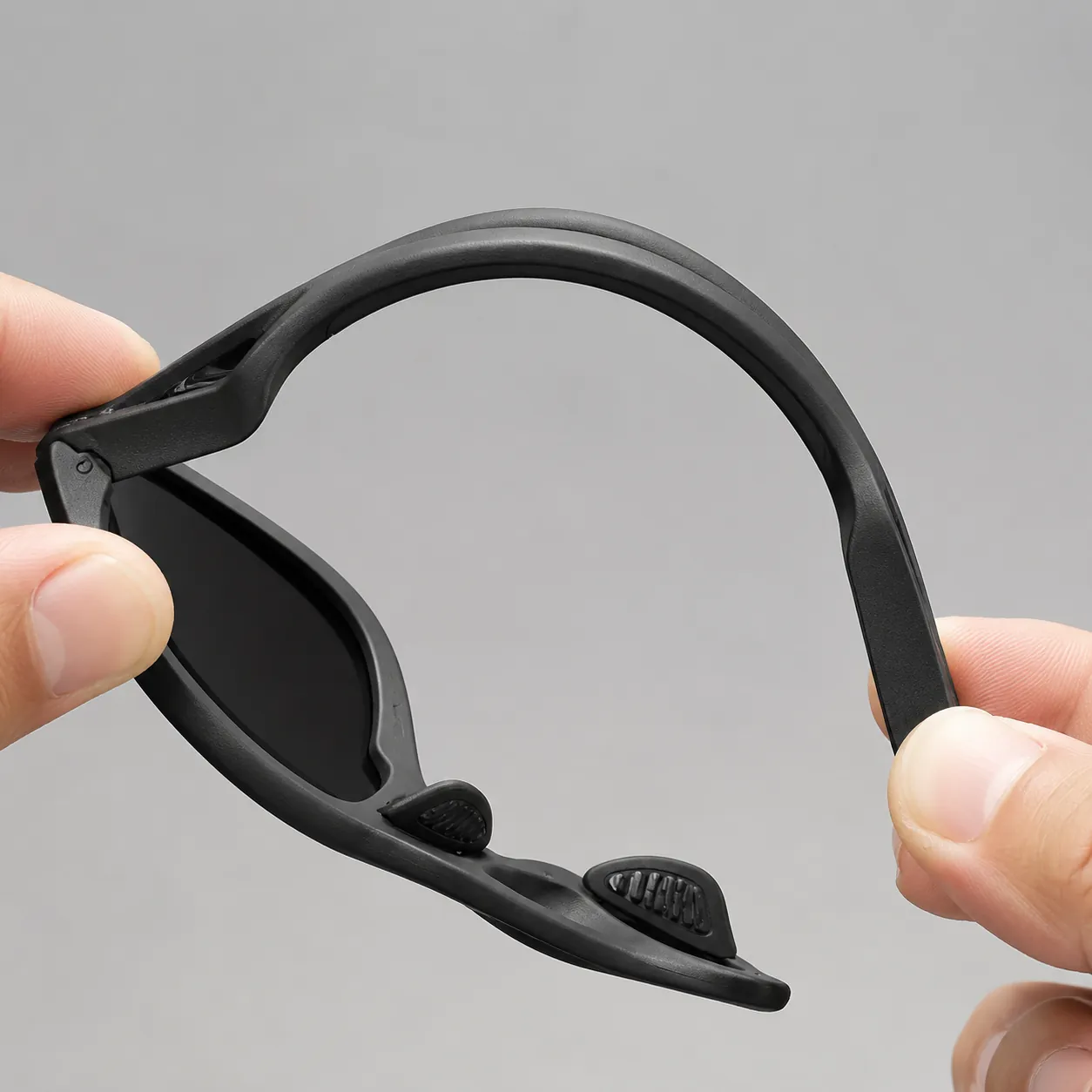
This guide is for brand owners, importers, distributors, and retail buyers sourcing custom sunglasses in volume. Sampling is not about making a pretty showroom piece. It is about reducing risk before bulk production starts: poor fit, weak assembly, bad logo placement, lens mismatch, packaging errors, and compliance gaps. A disciplined approval process catches problems while they are still cheap to fix. That matters even more in remote sourcing across time zones, where unclear comments and loose version control can turn a small mistake into a production issue.
Start with a manufacturing-ready brief
Most sample problems start before the first drawing is made. Buyers often send a mood board, a reference photo, and a logo, then leave out key details such as dimensions, lens type, hinge construction, finish, or packaging requirements. The factory fills in the blanks. That guesswork leads to delays, price changes, and extra sample rounds.
A workable RFQ and sample brief should define five items early: frame geometry, material route, lens specification, branding method, and commercial target. Different materials and constructions behave differently in tooling, polishing, assembly, weight, and fit. Material choice also affects hinge mounting, wall thickness, decoration options, and production yield.
- Frame spec: front width, eye size, bridge, temple length, base curve if relevant, target weight range, and intended wearer profile
- Material spec: for example PC, TR90, acetate, metal trim, and whether the hinge is standard or spring-loaded
- Lens spec: lens color, gradient or solid, polarized or non-polarized, and any required market standard such as CE EN ISO 12312-1, ANSI Z80.3, or AS/NZS 1067
- Branding spec: pad print, laser engraving, foil stamp, or metal logo plate, with exact artwork size and placement in millimeters
- Commercial spec: target MOQ, target order quantity, packaging level, and required ex-factory shipping window
Add tolerance expectations to the brief wherever possible. If acceptable dimensional and cosmetic variation is never defined, later discussions become subjective. The supplier should confirm which tolerances are realistic for the chosen material and process.
Price control starts here too. The same silhouette can cost very different amounts depending on whether it uses a standard injected build or a labor-heavy acetate construction with premium decoration and packaging. Align the design concept, material choice, and target price before sampling starts.
Use the right sample sequence
Not every project needs the same path. A simple recolor of an existing house style may need one confirmation sample plus PPS. A new frame shape with custom hardware, polarized lenses, and retail packaging usually needs a staged sequence. It takes longer up front. It saves time later.
| Sample stage | What buyer checks | Typical timing | Main risk caught |
|---|---|---|---|
| CAD or tech drawing review | Dimensions, wall thickness, lens shape, hinge layout, logo position | Usually a few working days, depending on revision count | Wrong geometry before material or tooling is committed |
| Prototype sample | Fit, balance, temple pressure, visual proportion, early assembly quality | Often about 1 to 2 weeks for standard development | Uncomfortable fit, poor symmetry, unstable lens seating |
| Color and branding sample | Frame color, lens tint, logo readability, plating or print appearance | Often several working days if based on a prior prototype | Color mismatch, weak adhesion, low-contrast branding |
| Pre-production sample | Final materials, finish route, decoration, labeling, packaging, inspection standard | Completed before bulk production release | Mismatch between approved sample and line output |
Label each sample clearly with style code, revision number, date, and stage. Prototype is not PPS. A color swatch sample is not a compliance confirmation sample. Mix those categories and buyers often approve too early, then find out the wrong version was treated as final.
Keep one buyer-side approval record. Track every revision, comment, and changed dimension. This gets more important when several people review the same style. Without version control, the supplier may follow an old file or conflicting comments.
Approve engineering at CAD stage
CAD approval should prevent production mistakes before the first physical sample is made. Many buyers review only the silhouette. That is not enough. For injection styles, the drawing should show key construction details such as wall thickness, hinge pocket design, logo recesses, and reinforcement areas where relevant. For acetate, review front thickness, bevel profile, temple taper, wire core use if applicable, and any special contouring that requires extra machining or polishing.
Start with dimensions and function. Geometry errors usually cost more to fix than color errors.
- Confirm eye size, bridge width, temple length, and total front width against the intended wearer.
- Review lens base curve and retention method so the lens seats securely without visible stress.
- Check hinge type, screw size, and mounting method. A standard hinge and a spring hinge differ in durability, repairability, and cost.
- Confirm logo artwork size in millimeters and exact reference points for placement.
- Review temple opening angle and face form where the supplier can provide them, especially for sport-inspired shapes.
Material behavior matters here. Thin sections may look clean on screen but can create warp, stress, or assembly trouble in production if they do not suit the chosen material. Acetate, injected plastics, and mixed-material frames do not behave the same way in finishing or dimensional control. If the project is meant to match an existing bestseller, a physical benchmark sample is usually more useful than a reference image alone.
Do not approve CAD on a phone screen. Use a full-size monitor or a printed sheet with key dimensions marked. Small dimensional changes can affect fit and comfort in a big way.
Prototype sample: test fit first
The first physical sample should answer one practical question: does the frame work on the face and in the hand? At this stage, exact tortoise pattern, mirror intensity, or retail box graphics are secondary. If nose fit is wrong, the frame tips forward, or the temples flare too sharply, fix that before appearance details are frozen.
Ask for fully assembled samples, not just component photos. A real sample shows how lens insertion affects shape, whether polishing changed dimensions, and how the finished frame balances when worn. Prototype timing varies by construction, but this round is for function first. Not cosmetics.
- Check balance: the frame should not feel excessively nose-heavy or unstable in normal wear
- Check symmetry: both temples should open evenly and the frame should sit level within normal manufacturing tolerance
- Check hinge feel: hinges should open and close smoothly without obvious looseness or binding
- Check temple pressure: short wear tests can reveal pressure points behind the ear or at the side of the head
- Check lens seating: there should be no rattle, visible gap, or stress whitening around the lens groove
Request measurement data from the finished sample, not just from the original drawing. Assembly and finishing can shift dimensions. Prototype review should cover both measured data and actual wear feel.
If you sell into multiple markets, test on more than one wearer profile where possible. A sample that looks good in photos but fails a basic wear test is not ready.
Approve color and branding against references
Once shape and fit are accepted, move to appearance. This is where many private label projects lose control because buyers use vague terms such as matte black, warm gold, light tortoise, or dark smoke. Those descriptions are not enough. Approve against a physical sample, Pantone reference for print color, plating benchmark, or retained swatch whenever possible.
| Decoration option | Best use | What to check | Common issue |
|---|---|---|---|
| Pad printing | Small temple logos, inside markings, cost-sensitive branding | Ink opacity, edge sharpness, registration, rub resistance | Print shift or weak adhesion on difficult surfaces |
| Laser engraving | Permanent subtle branding on suitable metal or coated parts | Depth consistency, contrast, exact location | Low visibility on dark or highly reflective surfaces |
| Metal logo plate | Premium visible branding | Plate flushness, alignment, plating tone, bond strength | Crooked placement, tone mismatch, or lifting |
| Foil or hot stamping | Inside temple marks and decorative metallic effect | Coverage, edge definition, durability | Patchy transfer or early wear-off |
For lens tinting, approve both appearance and the intended market claim. Do not approve a lens just because it looks dark enough in a photo. If the product will be sold as sunglasses in regulated markets, confirm the relevant standard and documentation path early. Depending on destination and product category, this may involve CE EN ISO 12312-1, ANSI Z80.3, or AS/NZS 1067. If the product enters the United States as medical or specialty protective eyewear rather than ordinary fashion sunglasses, FDA registration requirements may also need review. If you need REACH-related material information, state that at quotation stage so inks, coatings, plastics, and adhesives can be selected accordingly.
Surface finish also needs specific review. Matte textures can hide minor scratches but may show uneven gloss. High-polish finishes reveal waviness, sink, and buffing marks more easily. Metal trims should match the approved plating tone across all visible components.
Treat PPS as the production sign-off
The pre-production sample, often called PPS, is the key approval point. It should use the same material grade, lens type, decoration method, finishing route, and packaging plan intended for the bulk order. It is not a sales sample. It is the reference unit for purchasing, assembly, inspection, and any later dispute.
Approve PPS only after reviewing four groups of details:
- Product build: frame material, hinge specification, lens color, polarization status, logo method, and assembly feel
- Cosmetic standard: scratches, flow marks, sink, polish quality, edge smoothness, print sharpness, and plating consistency
- Compliance file: requested standards, available test reports where applicable, labeling, warnings, and destination-market claims
- Packing spec: pouch or polybag, retail box, barcode label, carton quantity, carton dimensions, and shipping marks
This is where the specification is frozen. After PPS approval, changes to frame color, lens type, logo location, or packaging structure may affect purchasing and production timing. Ask the supplier to confirm the impact of any post-PPS change in writing before you approve it.
Keep one approved PPS record with photos, revision code, measured dimensions, and packaging references. For larger or repeat orders, both buyer and supplier should retain the same approved reference sample for final inspection comparison.
Match approval depth to order risk
Sampling intensity should match commercial risk. A small order using standard components may justify a simpler approval path. A large order, a new design, or a first order with a new supplier usually needs tighter control because the cost of repeated defects is much higher.
MOQ, lead time, and supplier management systems all affect approval strategy. If the factory runs documented quality procedures, such as ISO 9001 certification, or has undergone social compliance audits such as BSCI, that may improve process visibility. It does not replace product-level approval. Buyers still need to verify the sample, the specification, and the inspection criteria for the exact style being ordered.
- For low-volume orders, simplify colorways, reduce custom packaging, and approve one clear master sample.
- For mid-volume orders, lock logo method, lens tint, barcode details, and carton information before deposit or material purchasing.
- For larger orders or new-tooling projects, require formal PPS approval, an agreed inspection standard, and retained reference samples before mass production release.
Tight launch timelines should also change decision-making. If the delivery window is short, avoid adding unnecessary variants during development. Every extra color, lens option, or packaging change creates another approval point and another chance for delay. Buyers who handle this well define requirements early, document changes clearly, and close revisions fast.
Use a repeatable approval checklist
The simplest way to reduce surprises is to turn the workflow into a standard checklist and use it on every project. That applies whether the style is a basic private label recolor or a new design with custom hardware.
- Send a complete brief with dimensions, material, lens specification, branding method, packaging requirement, destination market, and target price level.
- Approve CAD with exact measurements, lens construction notes, and logo positions in millimeters.
- Review the first physical sample for fit, symmetry, hinge feel, weight, and lens seating before finalizing color and decoration.
- Approve color, plating, and logo finish on a separate appearance sample when necessary.
- Confirm compliance requirements early: CE EN ISO 12312-1, ANSI Z80.3, AS/NZS 1067, REACH-related requests, FDA registration if applicable to the product category, and required market labeling.
- Approve PPS built to final production standard, including packaging and carton details.
- Freeze artwork, bill of materials, packaging specification, and inspection criteria before bulk production starts.
- Keep one signed or email-approved record with revision code, date, photos, and sample stage history.
This process is not glamorous. It works. Most bulk problems in private label sunglasses trace back to a specific approval gap: unclear drawings, weak fit testing, vague color references, unverified branding, or no true PPS sign-off. Close those gaps before production starts and the order is far more likely to arrive consistent, compliant, and ready for sale.
Have a custom sunglasses project in mind?
Send us your styles, target market and quantities and we will return a detailed quote with MOQ, lead time and a sample plan.
Get a QuoteWhy source this from Wenzhou with LumiShades
Wenzhou in Zhejiang Province is widely regarded as China’s eyewear manufacturing capital, producing a large share of the world’s sunglasses. That concentration matters to buyers: a deep local supply chain for acetate sheet, hinges, lens blanks, plating and packaging means shorter component lead times, easier color and material matching, and a workforce with decades of eyewear-specific skill. LumiShades has manufactured in this ecosystem since 2009, and our vertical integration — in-house injection molding, acetate cutting, CNC milling, lens tinting, decoration and quality control — means no part of your order is quietly subcontracted to a workshop you cannot audit.
For international buyers, that vertical control translates into accountability. When a single factory owns every step, defects are traced and fixed at source rather than bounced between vendors, and your specifications survive intact from first sample to bulk. We back this with 15+ years of experience, shipments to 60+ countries, more than 5 million pairs produced per year and a 98.5% on-time delivery rate. Our certifications — CE EN ISO 12312-1, FDA registration, ANSI Z80.3, AS/NZS 1067, REACH, ISO 9001 and BSCI audit — mean the compliance documentation your market requires already exists. Explore our manufacturing capabilities and quality control process to see how this works in practice.
Frequently asked questions
How many sample rounds should I expect for a new private label sunglasses design? For a new shape, plan for at least three stages: CAD review, physical prototype, and pre-production sample. If the project includes custom lens colors, metal logos, special plating, or retail packaging, add a separate appearance approval round. Ask the supplier to list each stage, what will be checked at that stage, and the estimated turnaround before development starts.
Can I skip the prototype and approve directly from CAD to save time? Only consider that for a minor modification of an existing factory style that has already been produced successfully in a similar construction. For a new design, skipping the prototype is risky because CAD does not show real balance, hinge feel, temple pressure, lens insertion stress, or wear comfort. If time is tight, reduce cosmetic options first. Do not remove the functional sample stage unless the design change is truly minimal.
What is the difference between a sales sample and a pre-production sample? A sales sample shows the concept and may use substitute materials, temporary branding, or non-final packaging. A pre-production sample should match the intended bulk specification, including frame material, lens type, decoration method, labeling, and pack-out. Buyers should state in writing which sample is for presentation and which sample is the production reference, then retain the approved PPS for inspection comparison.
At what point should compliance documents be checked? State the required standards and document expectations at quotation stage, confirm them again during development, and verify the final paperwork before or at PPS approval. If you need CE EN ISO 12312-1, ANSI Z80.3, AS/NZS 1067, REACH-related information, or FDA registration review for an applicable product category, do not wait until finished goods are packed. Ask the supplier exactly what reports or declarations they can provide for the specific style and market.
How do MOQs affect sample decisions? Lower-MOQ programs usually work best when the specification stays simple, because setup cost is spread over fewer units and custom elements can weaken value. As order size increases, the cost of repeated defects rises, so sample approval should become more formal. For larger orders, require a clearly approved PPS, a fixed packaging specification, and a retained reference sample so inspection is based on the same standard on both sides.
Ready to start?
Explore our aviator sunglasses or request a quote — our sales team replies within 12 hours.
Request a Quote