
Sourcing Polarized Sunglasses: Cost, QC, Specs
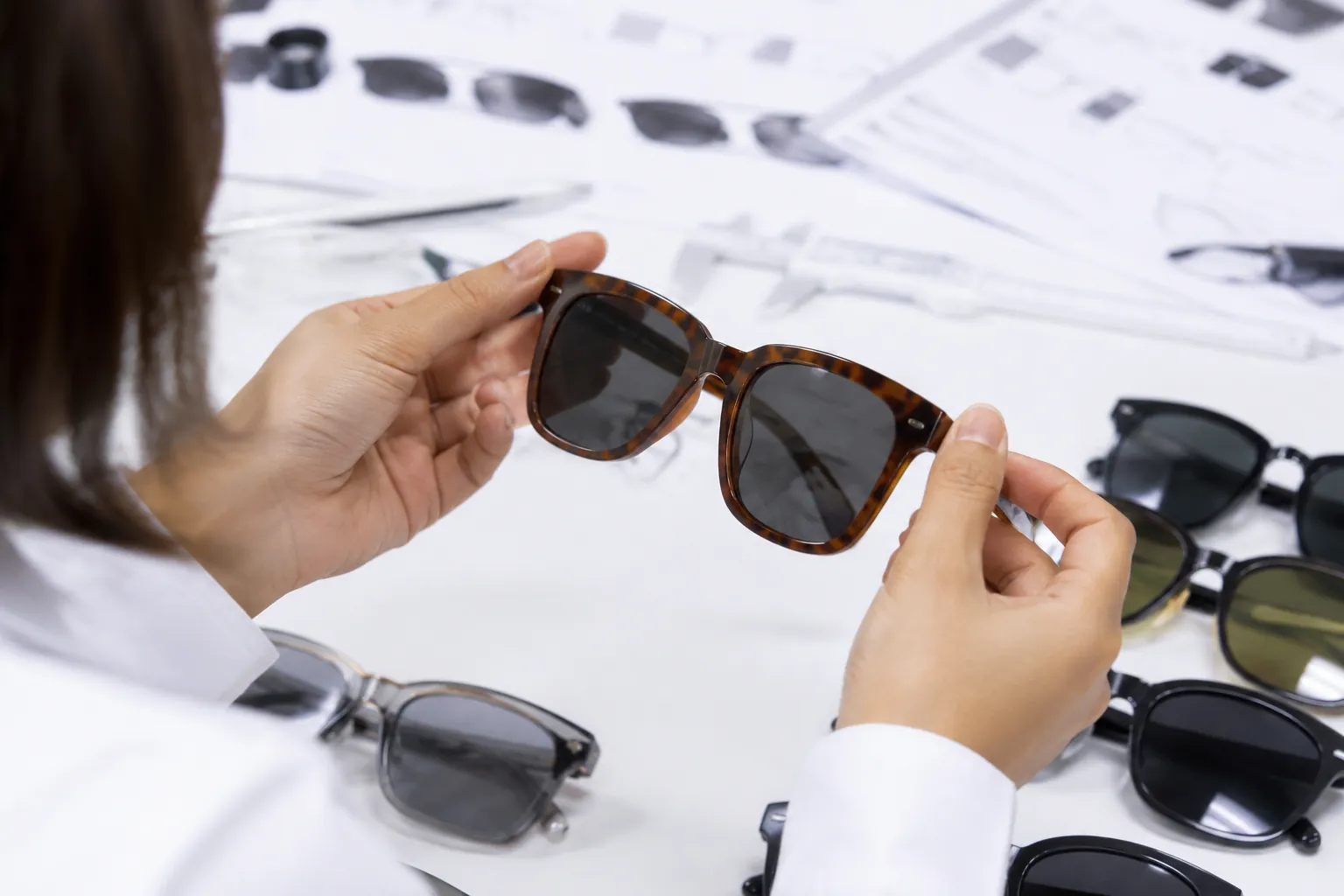
This guide is for overseas brands, importers, distributors, and retail buyers sourcing polarized sunglasses for private-label or custom programs. It explains where polarization adds value, how lens and coating choices affect price, which QC checks belong in the specification, and what evidence supports compliance claims. The aim is simple: clearer RFQs, cleaner samples, fewer shipment disputes, and a factory-ready spec before bulk production with manufacturers such as LumiShades in Wenzhou.
Where Polarization Pays for Buyers
Polarized lenses are not right for every sunglasses order. Use them where glare reduction is part of the sale: fishing, driving, beach retail, resorts, marine shops, outdoor sports, ski-adjacent retail, and higher-value lifestyle ranges. For low-cost festival frames, gift-with-purchase items, or short-life promo giveaways, the added lens cost may not pay back.
Start with use case, retail claim, destination market, and target price. Not the catalog label. A polarized lens uses a filter layer or film inside the lens structure. That filter has an axis, and the finished lens must be oriented correctly after cutting and mounting. If the axis is off, glare reduction drops. If the lens is stressed during cutting, drilling, screwing, or assembly, buyers may see rainbow marks, optical distortion, edge defects, or uneven performance between left and right lenses.
State MOQ and price logic in the RFQ. A small pilot order usually has a higher unit cost because lens sourcing, tint matching, logo setup, sampling, and inspection time are spread over fewer units. Unit pricing normally improves with volume, but the breakpoints depend on frame type, lens material, coating stack, decoration, packaging, testing, and inspection. Polarized programs cost more than comparable non-polarized programs because the lens stack, rejection risk, and QC time are higher. The premium is easiest to defend when the sales story is specific: driving glare control, fishing visibility, beach glare reduction, or premium outdoor positioning.
Cost Drivers Buyers Should Separate
Do not ask only, "How much for polarized sunglasses?" Ask what the polarized quote includes. Two similar prices may hide different lens materials, film grades, coatings, UV performance, inspection scope, packaging, or test evidence. Break the quote into cost components so the factory prices the same product the buyer expects to approve.
| Cost Item | Typical Options | What Changes the Price | Buyer Risk if Undefined |
|---|---|---|---|
| Lens material | TAC, PC, nylon | TAC is cost-effective; PC improves impact resistance; nylon can support better optics and wrap performance | Wrong material for the market, poor frame fit, weak perceived quality |
| Polarizing film | Standard film, higher-efficiency film, heat-resistant film | Film grade, axis consistency, lamination control, and heat resistance affect yield | Weak glare blocking, rainbow stress marks, inconsistent left/right lenses |
| Coatings | Hard coat, mirror, hydrophobic, backside AR | Each coating adds process time, color-control work, and additional rejection points | Scratch complaints, mirror peel, color variation, poor cleaning performance |
| Frame process | Injection, acetate cutting, CNC, metal trim | Mold work, polishing, hinge type, metal parts, and decoration change labor cost | Lens spec is approved but total pair cost rises after frame details are added |
| Inspection level | Basic visual, functional lens QC, AQL inspection | Axis checks, UV tests, VLT checks, impact tests where applicable, and sorting add time | Shipment passes appearance checks but fails buyer-side functional testing |
For a reliable quote, send frame material, lens material, lens color, VLT target, UV requirement, polarization requirement, coatings, logo method, case or pouch, barcode needs, carton marks, inspection level, and destination market. If LumiShades or another factory provides injection molding, acetate cutting, CNC milling, lens tinting, laser engraving, pad printing, or metal logo plate work, ask which steps are in-house and which are subcontracted. Control starts there.
Lens Materials, Tint, and VLT
Most polarized sunglasses programs use TAC, polycarbonate, or nylon lenses. TAC is thin, light, and cost-effective. It is common in fashion, beach, and general retail programs where optical demands are moderate. Polycarbonate is stronger and more impact resistant, but it needs a reliable hard coat because bare PC scratches easily. Nylon costs more and is often used for higher-end sports or wrap styles where optical clarity, dimensional stability, and fit matter.
Tint is not the same as polarization. A dark lens can be non-polarized. A polarized lens can still be too light or too dark for its category. Define visible light transmission, or VLT, and the filter category for the destination market. For many general-purpose sunglasses, Category 3 under standards such as EN ISO 12312-1 and AS/NZS 1067 is common for strong sunlight. Category 2 is lighter and used for moderate sunlight. Category 4 is very dark and is generally not suitable for driving. The category and warning language must match the market, product claim, and test report.
- Grey polarized: supports neutral color perception and is common for driving, beach, and general outdoor retail.
- Brown polarized: increases contrast and is often used for fishing, hiking, and lifestyle ranges.
- Green polarized: gives a classic appearance with balanced contrast, often used in metal or acetate styles.
- Blue or silver mirror polarized: creates strong shelf impact, but mirror color tolerance and scratch resistance need tighter QC.
- Gradient polarized: can be produced, but buyers should confirm that VLT, color appearance, and polarization performance remain acceptable across the lens.
Do not approve lens color from a phone photo. Ask for physical samples. Check them outdoors, indoors, under white LED lighting, and through LCD screens, noting that polarized lenses may affect display visibility. Then lock one approved sample as the golden sample. The approval record should state lens material, tint name, VLT range, UV claim, polarization requirement, coating stack, and allowed color tolerance.
Decoration and Frame Construction Details
Polarized lenses cannot rescue a weak frame. Before bulk production, define the frame process and decoration method with the same discipline used for lens specs. Injection frames suit volume and consistent shape, but buyers should confirm shrinkage, hinge strength, temple opening angle, lens seating, and parting-line cleanup. Acetate frames need more manual finishing. Check CNC accuracy, polishing quality, lamination stability, metal core alignment, and hinge riveting. Metal frames need plating control, solder-point inspection, screw tightness, nose-pad comfort, and lens groove accuracy.
Decoration changes cost, lead time, and rejection risk. Pad printing is economical for simple one-color temple logos, but it should be tested for abrasion because prints can wear under skin oil, sunscreen, or pouch friction. Laser engraving is clean and durable on suitable metal parts or coated surfaces, though the visible effect can be subtle. Metal logo plates create a premium look, but they require accurate placement, secure fixing, and extra QC for gaps, lifting, or sharp edges. Hot stamping and heat-transfer logos can work on packaging or some temples, but adhesion and color shift should be tested before bulk approval.
Set tolerances. Useful buyer controls include logo position within a stated range, lens width and bridge dimensions within approved sample tolerance, and temple opening symmetry checked during final inspection. For visible temple branding, many buyers specify positional tolerance such as ±0.5 mm to ±1.0 mm. The right number depends on logo size, surface shape, and decoration method. If the order includes multiple colorways, approve each one separately. A matte black frame with grey polarized lenses and a tortoise frame with brown polarized lenses may use different lens stock, decoration contrast, and rejection behavior.
QC Points Before Bulk Production
Polarized lens QC must cover function, optics, appearance, and assembly. A visual check is not enough. The factory should check the polarizing axis before cutting, after edging, and after final assembly. Heat, bending, frame pressure, poor lens groove fit, and over-tightened screws can create defects that were not visible in flat lens sheets.
- Polarization efficiency: verify glare reduction using a polarized test card, reflection test, or controlled light setup. Left and right lenses should perform consistently.
- Axis alignment: define the acceptable tilt in degrees. Many commercial programs use a practical tolerance such as ±3 degrees, while premium sports or optical-performance products may require tighter control.
- UV protection: confirm UV400 or the stated UV blocking with a UV transmission tester or laboratory report, not supplier wording alone.
- VLT category: measure visible light transmission and match the filter category required for EN ISO 12312-1, ANSI Z80.3, or AS/NZS 1067 claims.
- Optical distortion: check grid-line distortion through the lens, especially on high-wrap frames, thick lenses, and rimless or semi-rimless designs.
- Surface defects: inspect for bubbles, pits, scratches, coating dust, edge chips, oil marks, mirror pinholes, and rainbow stress patterns.
- Assembly pressure: check whether the frame squeezes or bends the lens after fitting. Stress marks often appear near the eyewire, screw, or groove area.
Write these checks into the purchase order, golden sample sheet, and pre-shipment inspection checklist before bulk production starts. If LumiShades or another supplier performs in-house QC, ask for the actual inspection points, sample size, measurement tools, and defect classification. Functional lens QC must be defined before production. After goods are packed, leverage is low.
Compliance Claims and Test Evidence
Polarized is a performance feature. It is not a safety certification. Buyers often combine UV400, CE, FDA registration, ANSI, AS/NZS, REACH, and polarization in one marketing claim, but each item means something different. Keep them separate in artwork, product pages, cartons, and compliance files.
For Europe, sunglasses should be assessed against CE requirements and EN ISO 12312-1 where applicable. For the United States, ANSI Z80.3 is the relevant non-prescription sunglasses standard, and FDA registration context may apply to eyewear import handling. For Australia and New Zealand, AS/NZS 1067 applies. REACH concerns restricted substances in materials such as frame plastics, coatings, colorants, metal parts, and packaging components. ISO 9001 and BSCI relate to management systems and social compliance; they do not replace product testing for a specific sunglass model.
LumiShades states support for CE EN ISO 12312-1, FDA registration, ANSI Z80.3, AS/NZS 1067, REACH, ISO 9001, and BSCI. Buyers should still ask which exact report or certificate applies to the ordered frame model, lens material, tint category, coating, and production batch. A report for a different lens color, older frame, or non-polarized lens is not equivalent evidence. Do not add logos, category statements, warnings, or compliance claims to packaging unless the report and destination-market rules support them.
Buyer note: Request test reports and label wording before mass packaging is printed. Changing a warning label, CE mark layout, barcode sticker, filter category statement, or market claim after packing begins can delay shipment and create avoidable rework.
Sample Approval Workflow
Samples are where polarized programs become controlled or start to drift. Timing depends on frame complexity, lens availability, logo method, coating, packaging, and whether new tooling or special materials are required. Use the sample stage to lock measurable decisions. Do not leave key choices open.
A practical workflow is strict. First, approve frame fit, lens shape, wearing comfort, hinge feel, and basic dimensions. Second, approve lens material, tint, VLT category, UV performance, and polarization effect. Third, approve logo placement and decoration method, such as pad printing, laser engraving, metal logo plate, or temple insert. Fourth, approve packaging, barcode labels, warning labels, pouch or case, inner box, and export carton marks. Finally, sign a golden sample or written approval sheet with photos, measurements, color references, test requirements, defect limits, and allowed tolerances.
For a small pilot run, buyers may reduce colorways, use simpler packaging, or limit decoration to control setup cost. At higher volumes, custom decoration, retail-ready packaging, AQL inspection, carton labeling, SKU separation, and material batch control become more important because one setup mistake affects more stock. For large reorders, confirm production-line checkpoints before lenses are cut in mass, not only during final inspection.
Bulk Production Control and RFQ Specs
Bulk timing for custom sunglasses depends on sample approval, deposit, material confirmation, final artwork, tooling, lens availability, coating requirements, packaging, and factory capacity. Special mirror coatings, custom molds, acetate work, new metal trim, multiple colorways, or retailer-specific packaging sets can extend the schedule. Remove ambiguity before material purchasing starts.
The biggest polarized bulk risks are lens batch variation, wrong film axis, coating defects, frame pressure after assembly, mixed packaging, and mismatched compliance labels. These failures are common when the spec is loose or inspection happens too late. A serious RFQ should be specific enough that two factories quote the same product.
| Spec Field | Example Buyer Requirement | Why It Matters |
|---|---|---|
| Order quantity | Pilot quantity plus target reorder tiers | Pricing, material planning, and decoration setup depend on volume |
| Frame | Injection TR-style frame, matte black, spring hinge, 52 mm lens width | Controls mold, fit, weight, hinge cost, and assembly method |
| Lens | Grey polarized PC lens, UV400, Category 3, VLT range stated in the test plan | Prevents confusion between darkness, UV protection, and polarization |
| Testing | EN ISO 12312-1 for EU, ANSI Z80.3 for US, AS/NZS 1067 for Australia/New Zealand, REACH if required | Matches product claims to destination-market rules |
| Logo | One-color pad print on outer temple, position measured from hinge | Avoids logo drift and decoration disputes |
| Packaging | Microfiber pouch, warning label, barcode sticker, inner box, export carton mark | Reduces packing errors and retailer receiving issues |
Before production, confirm the approved lens batch, VLT range, polarization test method, packaging artwork, and carton marks. During lens cutting, verify axis direction before mass edging. During assembly, check stress patterns under polarized light and confirm that lenses sit without forced bending. Before shipment, review AQL results, SKU separation, export carton labeling, and market-specific documents. Stable specs, fast approvals, and early testing decisions protect the ship date.
Have a custom sunglasses project in mind?
Send us your styles, target market and quantities and we will return a detailed quote with MOQ, lead time and a sample plan.
Get a QuoteWhy source this from Wenzhou with LumiShades
Wenzhou in Zhejiang Province is widely regarded as China’s eyewear manufacturing capital, producing a large share of the world’s sunglasses. That concentration matters to buyers: a deep local supply chain for acetate sheet, hinges, lens blanks, plating and packaging means shorter component lead times, easier color and material matching, and a workforce with decades of eyewear-specific skill. LumiShades has manufactured in this ecosystem since 2009, and our vertical integration — in-house injection molding, acetate cutting, CNC milling, lens tinting, decoration and quality control — means no part of your order is quietly subcontracted to a workshop you cannot audit.
For international buyers, that vertical control translates into accountability. When a single factory owns every step, defects are traced and fixed at source rather than bounced between vendors, and your specifications survive intact from first sample to bulk. For procurement review, buyers can request process records, approved samples, quality checkpoints and project-specific compliance files before placing a bulk order. Required testing and documentation are confirmed against the destination market and product specification rather than assumed from a generic certificate list. Explore our manufacturing capabilities and quality control process to see how this works in practice.
Frequently asked questions
How much extra should I expect for polarized lenses? Ask the factory to quote the polarized upgrade as a separate line item and state the lens material, film grade, coating stack, VLT range, UV claim, test requirement, and inspection level. The premium varies by these factors and by volume, so compare quotes only when the lens and QC scope are the same.
Can I claim UV400 if the lenses are polarized? Only if UV testing supports the UV400 claim for the ordered lens. Polarization reduces glare; UV400 refers to ultraviolet blocking up to 400 nm. Require a UV transmission result or applicable test report for the actual lens material, color, coating, and production batch.
What tolerance should I use for polarized lens axis alignment? State the tolerance in degrees in the purchase order and inspection checklist. A practical commercial tolerance is often around ±3 degrees, but premium sports, high-wrap, or optical-performance products may need tighter limits. Also require left and right lenses to be checked after assembly, not only before cutting.
What should I check on polarized samples before approval? Check glare reduction, axis consistency, UV protection, VLT category, lens color, optical distortion, coating defects, frame pressure marks, logo placement, packaging labels, and compliance wording. Record the approved sample with photos, measurements, test requirements, and allowed tolerances before releasing bulk production.
Are polarized lenses suitable for all sunglasses styles? No. They are most useful when glare reduction is part of the product value, such as driving, fishing, beach, water sports, and outdoor retail. They may be unnecessary for very low-cost promo frames, some fashion-only gradient styles, or products where LCD screen visibility is a major use case.
How long does a custom polarized sunglasses order take? Timing depends on sample complexity, lens availability, coating, logo method, packaging, test requirements, and factory capacity. Ask the supplier to separate the timeline into sampling, sample approval, material purchasing, bulk production, inspection, testing if needed, and packing so delays can be traced to a specific step.
Which compliance standards should overseas buyers mention in the RFQ? Use the destination market. For Europe, specify CE requirements and EN ISO 12312-1 where applicable. For the US, specify ANSI Z80.3 and any FDA registration context required for import handling. For Australia and New Zealand, specify AS/NZS 1067. Add REACH where restricted-substance compliance is required, and keep ISO 9001 or BSCI separate from product test claims.
Ready to start?
Explore our rimless sunglasses or request a quote — our sales team replies within 12 hours.
Request a Quote