
How to Check Polarized Lenses Before Bulk Orders
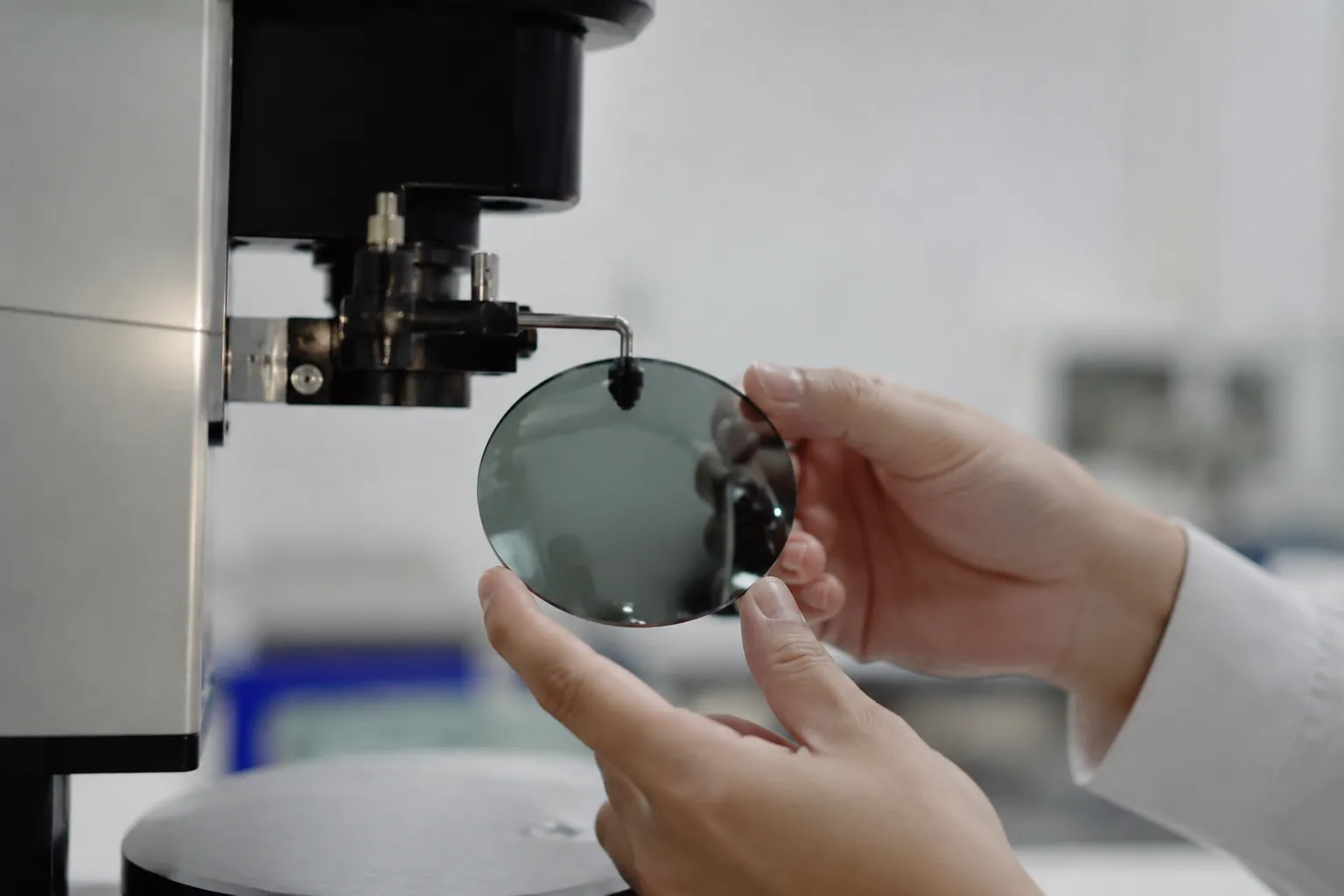
This guide is for brand owners, importers, distributors, and retail buyers sourcing polarized sunglasses in volume. It is not a substitute for accredited laboratory testing or legal advice. Its purpose is practical: help buyers catch visible lens defects, process drift, and document mismatches before approving samples, production, or shipment. The checks below are simple to repeat during sample review, pre-production confirmation, and pre-shipment inspection. Use them the same way every time. That consistency improves buying decisions and cuts avoidable disputes over quality, compliance claims, and whether bulk goods match the approved standard.
Set the approval standard before you commit to bulk
Many buyers approve a polarized sample because it looks dark, feels premium, and passes a quick polarization sticker demo. That is not enough. A usable approval standard must define three things clearly: the lens function being purchased, the visual standard you will accept, and the documents required for the destination market.
Write the lens specification into the purchase order, sample approval sheet, and final proforma invoice. At minimum, record lens material, base tint color, target visible light transmission category if the supplier claims one, whether the lens is TAC polarized or another construction, whether mirror coating is applied, whether gradient is allowed, and the acceptable cosmetic standard. If the product will be sold as general-use sunglasses, the product claim and paperwork should match the destination market, such as CE EN ISO 12312-1 for the EU, ANSI Z80.3 for the US, and AS/NZS 1067 for Australia and New Zealand. If the supplier also mentions REACH, FDA registration, ISO 9001, or BSCI, check what each document actually covers. None of them, by itself, proves lens optical quality.
On custom programs, add measurable approval points wherever you can. For example, state that left and right lenses must show no obvious tint mismatch at normal viewing distance under consistent lighting, no visible edge chips from normal handling distance, and no obvious rainbow stress marks after assembly. Put it in writing. If these standards stay verbal, the factory and buyer often define "acceptable" differently once production is packed.
- Approve appearance: base color, mirror color, logo position, edge finish, and acceptable cosmetic defects.
- Approve function: clear polarization response, low visible haze, low visible distortion, and left-right consistency.
- Approve process lock: same lens supplier, same tint standard, same coating method, and same assembly method as the approved sample unless re-approved.
- Approve paperwork: reports and declarations that match the actual lens construction and target market claim.
This matters even more when lens sourcing, tinting, coating, decoration, and assembly are split across different parties. Every handoff adds risk. Color drift, coating variation, and assembly stress often start there.
Run the same pre-production checks every time
You do not need a lab to catch many buyer-side problems. You do need a fixed review sequence and a consistent inspection setup. Keep the method simple. Keep it repeatable. Then run the same checks on development samples, pre-production samples, and pre-shipment pulled pairs.
- Confirm sample identity. Record frame code, frame color, lens color, logo method, hinge type, packaging version, and sample date. If the factory changes the lens source or coating after approval, require a new sample reference.
- Check polarization presence. Use an LCD screen or a polarized test card. Rotate the glasses about 90 degrees. A working polarizing filter should show clear darkening. This confirms the presence of polarization only. It does not confirm full optical quality.
- Compare left and right lenses. Hold the pair in front of a white background under even light. Look for shade mismatch, mirror color shift, haze, adhesive lines, and visible rainbow stress patterns.
- Check distortion. Look through each lens at straight lines such as blinds, tile joints, or graph paper. Move the frame slowly. Lines should stay visually stable, not bend or swim noticeably.
- Inspect cosmetics under two light angles. Use frontal light and stronger angled light to expose scratches, pits, bubbles, coating marks, rough edges, and film lift near the bevel.
- Verify paperwork before approval. Make sure the report description matches the actual lens type, product category, and market claim you intend to sell.
Showroom samples are useful for shape, branding, and basic appearance. They do not lock a polarized lens program. A proper pre-production sample should use the actual production lens construction, tint standard, coating process if used, and final decoration method. A prototype can pass visual review and still fail once the real production process starts.
Know what a polarization test proves
The basic screen-rotation test proves only one thing: a polarizing filter is present. It does not prove acceptable optical quality, consistent filter performance, stable lamination, or good left-right matching. Buyers should never rely on the sticker demo alone.
Start with the LCD check and confirm strong darkening at one angle. Then rotate both lenses side by side. If one lens darkens noticeably less than the other, the pair is inconsistent and needs review. Next, look at reflected glare from glass, water, polished stone, or a vehicle windshield. A functional polarized lens should reduce reflected glare clearly, not just make the scene darker.
Material choice matters too. TAC polarized lenses are common in fashion, promotional, and mid-range sunglasses because they are lightweight and widely available. But the final result depends heavily on lamination quality, edge finishing, and heat control during production and transport. Poor lamination can show up as cloudy zones, edge lift, or waviness near the bevel. Other polarized constructions can work well too, but the buyer question stays the same: does the lens stay visually clean, consistent, and stable after edging and assembly?
Watch for process opacity. If a supplier shows only the sticker demo, avoids left-right comparison photos, or will not confirm whether bulk uses the same lens supplier as the approved sample, treat that as a sourcing risk. Stop and clarify it before approval.
Check visual consistency the way customers will notice it
Most complaints about polarized sunglasses are not about complete absence of polarization. They are about what the wearer sees. Uneven tint. Mirror mismatch. Haze. Warped vision. Stress marks outdoors. These defects affect comfort and perceived quality fast.
Use a controlled comparison method. Inspect multiple pairs from a pilot lot or pre-shipment sample under daylight-equivalent light, then repeat under stronger angled light. Review all pairs against a white background, then wear-test several pairs outdoors if possible. Left-right mismatch often becomes more obvious when the glasses are worn because binocular vision amplifies imbalance.
| Check point | What to look for | Typical cause | Buyer action |
|---|---|---|---|
| Left-right tint match | One lens looks darker, warmer, or greener | Tint variation, mixed lots, poor batch segregation | Reject mismatch and require lot separation or rework |
| Mirror consistency | Different flash color or reflectivity between lenses | Coating variation across batches or racks | Compare against master sample before shipment release |
| Distortion | Straight lines bend, swim, or jump at the edges | Uneven thickness, poor curve control, molding or assembly stress | Hold production and review lens forming and assembly process |
| Rainbow stress marks | Colored patterns appear under light or on-screen rotation | Assembly pressure, groove mismatch, lens over-stress | Check frame groove fit and post-assembly stress control |
| Edge defects | Chips, rough bevel, film lift, or adhesive line | Poor cutting, weak lamination, rough finishing | Tighten edge QC and inspect after edging and assembly |
If your order includes smoke, brown, green, gradient, and mirrored versions, do not approve one color and assume the rest will behave the same. Different tint colors and mirror coatings can fail in different ways. Gradients add another variable because the top-to-bottom transition also has to stay consistent.
Link physical inspection to compliance and shipping documents
Physical inspection and compliance review are different jobs. One tells you whether the batch looks commercially acceptable. The other tells you whether the product claim is supported for customs, marketplaces, retail partners, and the destination market. You need both.
For sunglasses sold for general sun glare reduction, request documents that match the product being purchased. If the order is a polarized fashion sunglass for general use, the report set should describe that type of product, not an unrelated lens construction or safety item. Check that the product description, style reference, labeling, warnings, and carton marks do not conflict with the report set.
Be realistic about common documents. CE EN ISO 12312-1 is relevant to general-use sunglasses sold into the EU. ANSI Z80.3 is a common US reference for non-prescription sunglasses. AS/NZS 1067 is relevant for Australia and New Zealand. REACH addresses certain chemical compliance obligations often requested by EU buyers. FDA registration, where suppliers mention it, should be checked carefully for scope and should not be treated as a substitute for performance testing. ISO 9001 relates to quality management systems, and BSCI relates to social compliance auditing. Neither certifies lens optical performance.
- Match the report to the lens: color, construction, intended use, and product family should align.
- Match the labeling to the report: warnings, category claim, and product description should be consistent.
- Match the shipment to the approval: invoice, carton marks, hangtags, and packaging should reference the same approved item.
- Reject filler certificates: unrelated documents create confusion and do not reduce risk.
Mismatched paperwork can trigger customs issues, platform listing problems, or retailer rejection even when the goods look fine. Review documents before production approval and again before shipment release.
Find where polarization defects start in production
When a sample fails, the buyer should know where to push for correction. Most polarization problems start in one of four places: raw lens sourcing, lamination quality, tinting or coating control, or final assembly stress. Each stage tends to leave a different visible pattern.
If the issue is weak darkening or unstable glare reduction, start with raw lens source and lamination quality. Ask whether bulk uses the same polarizing film and the same lens supplier as the approved sample. If the issue is color drift or mirror mismatch, review tint control, coating rack consistency, and batch segregation. If the issue is rainbow stress marks or post-assembly distortion, inspect frame groove dimensions, bevel fit, and assembly pressure.
Frame construction changes the risk. Injection-molded frames can stress the lens if the groove is too tight or insertion force is too high. Acetate frames can create pair-to-pair variation if groove finishing is inconsistent. In both cases, a lens that looked acceptable before assembly can fail after installation. That is why post-assembly inspection matters more than lens-only review.
Decoration steps can also affect yield. Printed logos, hot stamping, laser marking, and metal badges all add handling. If branding is applied before final lens inspection, scratches and handling marks may increase. Ask whether protective film stays in place during assembly where possible, whether logo application changes the handling flow, and whether final QC includes stress review after complete assembly.
Lead-time pressure makes all of this worse. Last-minute changes to tint density, mirror flash, logo method, or retail packaging often compress final QC time. Treat late specification changes as a quality risk, not just a scheduling issue.
Use release gates and a final bulk checklist
Price pressure often weakens approvals. A supplier offers a better unit price at a higher quantity, and the buyer rushes to confirm before the lens standard is fully proven. That is a bad trade. Volume should follow process stability, not replace it.
A better method is staged commitment. Start with a quantity that lets you validate lens appearance, polarization response, and defect patterns without locking the full program too early. If the first run is acceptable, move to the next release. If the supplier proposes a lower price based on a material or process change, require a new approval sample and updated paperwork where relevant.
Use a release checklist with hard pass-fail gates rather than subjective discussion:
- Master sample approval: approve one sealed reference with written lens specification and required documents.
- Pre-production confirmation: review samples made from actual production materials, not substitute prototype lenses.
- Pilot run check: inspect first-run pairs for tint match, polarization response, edge quality, and post-assembly stress.
- Pre-shipment inspection: pull random pairs across cartons, colors, and production dates where possible.
- Document match review: confirm invoice, labels, carton marks, and report set all describe the same approved product.
- Shipment release: release final payment only after QC records and documents match the approved standard.
Keep the final decision simple: does the bulk lot match the approved sample, the written specification, and the destination-market paperwork closely enough to release payment with confidence? If the answer is unclear, the lot is not ready.
- Do not approve from one perfect pair: random spread matters more than showroom appearance.
- Do not separate price from process: lower cost is acceptable only if lens source and QC controls remain stable.
- Do not rely on documents alone: paperwork can be correct while the batch is visually poor.
- Do not rely on visual review alone: an attractive batch with mismatched paperwork still creates market risk.
- Lock the standard early: many avoidable failures begin after late spec changes.
You do not need to run every laboratory test yourself to make a better sourcing decision. You do need a repeatable review method strong enough to catch obvious process drift before it becomes a bulk claim.
Have a custom sunglasses project in mind?
Send us your styles, target market and quantities and we will return a detailed quote with MOQ, lead time and a sample plan.
Get a QuoteWhy source this from Wenzhou with LumiShades
Wenzhou in Zhejiang Province is widely regarded as China’s eyewear manufacturing capital, producing a large share of the world’s sunglasses. That concentration matters to buyers: a deep local supply chain for acetate sheet, hinges, lens blanks, plating and packaging means shorter component lead times, easier color and material matching, and a workforce with decades of eyewear-specific skill. LumiShades has manufactured in this ecosystem since 2009, and our vertical integration — in-house injection molding, acetate cutting, CNC milling, lens tinting, decoration and quality control — means no part of your order is quietly subcontracted to a workshop you cannot audit.
For international buyers, that vertical control translates into accountability. When a single factory owns every step, defects are traced and fixed at source rather than bounced between vendors, and your specifications survive intact from first sample to bulk. We back this with 15+ years of experience, shipments to 60+ countries, more than 5 million pairs produced per year and a 98.5% on-time delivery rate. Our certifications — CE EN ISO 12312-1, FDA registration, ANSI Z80.3, AS/NZS 1067, REACH, ISO 9001 and BSCI audit — mean the compliance documentation your market requires already exists. Explore our manufacturing capabilities and quality control process to see how this works in practice.
Frequently asked questions
Is the LCD screen test enough to confirm polarized quality? No. It confirms only that a polarizing filter is present. It does not tell you whether the pair has acceptable left-right matching, low visible distortion, low haze, good lamination, or consistent production quality. Use it as a first screen, then compare both lenses side by side, inspect straight-line distortion, check reflected glare reduction, and review several pairs rather than one sample.
Should I approve polarization on development samples or pre-production samples? Both, but for different reasons. Development samples help confirm style, color direction, and branding. Pre-production samples are the critical approval point because they should use the actual production lens source, tint standard, coating process, and assembly method. If the pre-production sample does not match the approved development sample, stop and re-approve before bulk starts.
What is the most common bulk issue with polarized sunglasses? A common issue is left-right inconsistency within the same pair, including tint mismatch, mirror color difference, haze, distortion, or stress marks after assembly. Buyers can reduce this risk by checking both lenses together under even light, wearing several pairs briefly, and requiring post-assembly inspection rather than approving loose lenses only.
How many pairs should I inspect before shipment? There is no single number that fits every order, but the sample must be broad enough to show whether defects are isolated or repeated. Inspect pairs across colors, cartons, and, if possible, production dates or lots. For a quick buyer-side review, start with a meaningful spread rather than one top sample, record the defects found, and increase the sample if you see repeated mismatch, distortion, or edge issues. If the order is large or the program is high risk, use a formal third-party inspection plan in addition to your own review.
Can a factory have valid compliance documents and still ship poor polarized lenses? Yes. Compliance documents and visual quality are not the same thing. A report may support a market claim while the actual batch still shows haze, distortion, weak left-right matching, mirror inconsistency, or assembly stress. Buyers should therefore check both: confirm that the paperwork matches the product being shipped, and confirm that random physical samples still match the approved visual and functional standard before release.
Ready to start?
Explore our square sunglasses or request a quote — our sales team replies within 12 hours.
Request a Quote