
Polarized Film vs Polarized Lens: B2B Buyer Guide
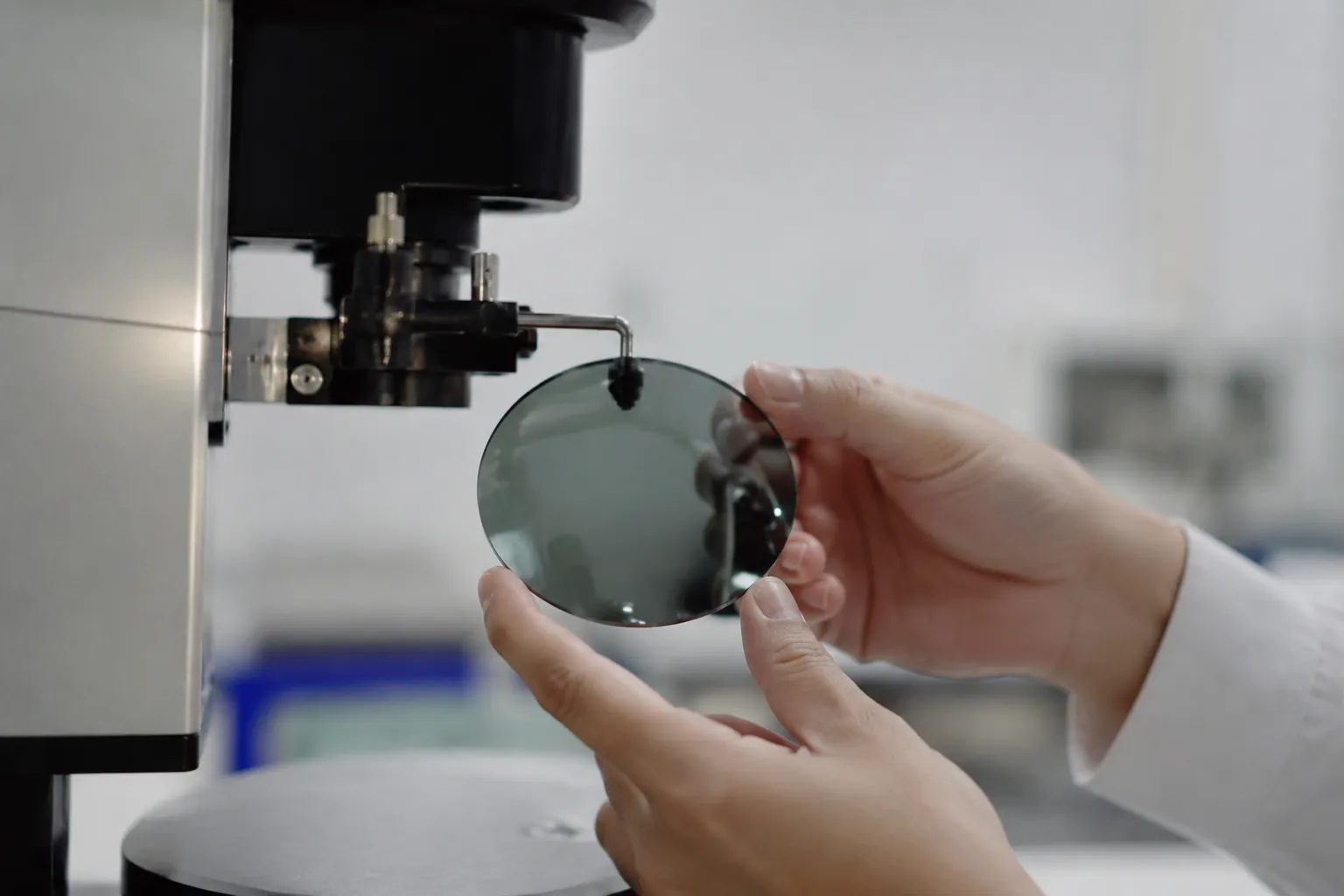
This guide is for brand owners, importers, distributors, and retail buyers evaluating polarized sunglass constructions for a real production program. Glare reduction is only one part of the decision. Construction affects quality risk, coating compatibility, compliance testing, lead time, and after-sales cost. The real question is simple: which build fits your price target, channel, and quality standard?
What polarized film and polarized lens mean in sourcing
In supplier talks, "polarized film" and "polarized lens" are often used loosely. Buyers should not accept loose language. The exact construction must be written into the spec. A polarized film is the polarizing sheet used inside a lens build. A polarized lens is the finished optical part that delivers the polarized function after lamination, molding, or another factory process, depending on the material. That difference matters. You are approving a finished component, not a marketing term. The real sourcing question is how the lens is built: substrate material, polarizing layer, bonding method, hard coat, mirror or flash coating, backside treatment, UV performance, and edge finishing. The supplier should describe the stack clearly. If the factory cannot explain the build in plain terms, stop there. You cannot judge durability, consistency, or compliance if the construction is vague.How the two constructions behave in production
Polarized sunglass lenses are commonly made in TAC, polycarbonate (PC), CR-39, and nylon. Each material has different optical, impact, weight, and processing traits. Do not assume one material fits every program. Ask what is being offered for your exact order. In film-based constructions, a separate polarizing sheet is laminated into the lens structure. Process control is critical. Small changes in temperature, pressure, curing, trimming, or coating order can affect appearance and function. Common defects include bubbles, haze, edge lift, delamination, warpage, and visible patterning. A finished polarized lens program still needs clear process control. Ask how the polarizing function is built in and what happens after the lens is made and before it is assembled into the frame. Demand measurable controls, not vague claims. Useful checkpoints include thickness tolerance, visible light transmission range, cosmetic defect limits, polarization direction, coating adhesion method, and distortion checks after edging and mounting. Sample source matters too. Was the sample made under real production conditions, or was it hand-finished for approval? That answer tells you a lot.Cost, MOQ, and lead-time logic for buyers
Factory pricing depends on substrate, coating stack, tint, frame fit, packaging, and test requirements. Simpler film-based constructions are often used for price-sensitive programs. More controlled polarized lens builds are usually reserved for higher-spec retail, sport, or private-label orders. But unit price alone is not the full story. A lower lens quote can still mean a higher landed cost. If the build is sensitive to heat, humidity, coating failure, or cosmetic rejects, savings disappear fast. Rework and replacements cost money. So do claims. MOQ and lead time are not universal. They depend on the factory. Confirm MOQ by frame, lens color, coating, and packaging. Custom tooling, special coatings, and non-standard tints usually need more development time than repeat orders. Use this rule: if the program is short-cycle, price-led, and quality tolerance is broad, a simpler build may be acceptable. If the program needs repeat consistency, stronger presentation, and lower complaint risk, a tighter polarized lens spec is the safer call.Head-to-head comparison for buyers
Use this comparison to match the lens construction to your channel, test plan, and return risk.| Criterion | Polarized Film | Polarized Lens |
|---|---|---|
| Typical factory positioning | Often used in more price-sensitive fashion or promo programs | Often used in more controlled retail, sport, or premium programs |
| Durability risk | More dependent on lamination quality and edge protection | Usually specified for better structural and cosmetic stability, depending on material and process |
| Optical consistency | Can vary more if process control is weak | Typically easier to standardize in a stable production process |
| Customization | Suitable for simpler color and entry-price programs | Better suited to premium coatings, branded finishing, and tighter specifications |
| Channel fit | Fast fashion, promotional, entry price points | Specialty retail, sport, private label, premium wholesale |
Quality control, tolerances, and compliance requirements
Many sourcing problems start when a buyer approves a nice sample without locking the production test plan. Do not do that. For polarized sunglasses, ask for a written QC sheet covering lens color, cosmetic standards, polarization check, coating adhesion, dimensional accuracy, and frame-lens fit. The factory should also define defect classification and inspection records. Compliance claims must be specific and backed by documents. Depending on the target market, buyers may need evidence against CE EN ISO 12312-1, ANSI Z80.3, or AS/NZS 1067. If the customer expects chemical compliance, request REACH support where relevant. If a factory mentions FDA registration, confirm what that registration actually covers. It is not a substitute for sunglass performance compliance. Management-system and social-audit claims should also be checked. ISO 9001 and BSCI may matter for factory control and sourcing rules, but they do not replace product testing. Ask for current certificates, issuing body, and validity dates. For approval, request the latest test report for the exact or closely comparable lens construction, with report date and laboratory name. Also require retention samples and a clear rule for approving any material or coating change after the first order.Branding, decoration, and frame integration
Branding depends on lens construction, coating order, and frame style. A logo method that works on one build may fail on another. Confirm at sampling whether the lens can take laser marking, silk-screen printing, or other decoration without damaging the coating or changing appearance. Frame integration matters too. Full-rim, semi-rimless, and rimless frames create different stress points at the lens edge and mounting area. Semi-rimless and drill-mount styles need tighter edge quality and more consistent finishing. Defects show faster there. Common decoration methods include:- Laser logo on lens or temple for premium branding
- Silk-screen print for low-cost private label runs
- Hot stamping or foil imprint on case and cloth
- Pad print for curved temple surfaces
- Embossed or debossed logos on packaging inserts
Which construction fits each sales channel
Different channels carry different levels of quality risk and claim exposure. Price-led fashion chains and promotional programs focus on rapid style turnover and low entry cost. In those cases, a simpler polarized build can work if the spec is tight and the supplier can show acceptable consistency for the intended selling period. Mass retail, specialty chains, and private-label programs usually need more repeatability. Fill-in orders, season-to-season continuity, and retailer rules all push in the same direction: stable lens quality, consistent packaging, and documented testing. In these channels, buyers often prefer a more controlled polarized lens spec because complaint handling can cost more than the savings from a cheaper build. Sport, outdoor, and premium retail programs need the clearest documentation and the lowest tolerance for optical or cosmetic issues. For those, prioritize construction transparency, lot traceability, and test evidence over a low opening price. If you serve several channels, split the programs. Use simpler specs for short-life or promotional SKUs and higher-control polarized lens specs for core retail lines. Keep the standards separate. Do not mix them.Buyer checklist and sourcing questions
Before you approve a supplier, check whether the spec can be repeated in mass production. A polished pre-production sample is useful. It is not enough. Ask these questions:- What is the exact lens stack-up and polarizing method?
- What lens material is being used, and why is it suitable for this channel?
- What are the agreed tolerances for color, transmission, thickness, and cosmetic defects?
- Which compliance standards apply to the target market: CE EN ISO 12312-1, ANSI Z80.3, or AS/NZS 1067?
- Can the supplier provide current test reports and explain the lab reference and sample date?
- What factory systems are in place for quality management and social compliance, such as ISO 9001 or BSCI, if required by the buyer?
- How will approved samples, golden samples, and retention samples be managed?
- What is the change-control process if lens material, coating supplier, or packaging component changes after approval?
Have a custom sunglasses project in mind?
Send us your styles, target market and quantities and we will return a detailed quote with MOQ, lead time and a sample plan.
Get a QuoteWhy source this from Wenzhou with LumiShades
Wenzhou in Zhejiang Province is widely regarded as China’s eyewear manufacturing capital, producing a large share of the world’s sunglasses. That concentration matters to buyers: a deep local supply chain for acetate sheet, hinges, lens blanks, plating and packaging means shorter component lead times, easier color and material matching, and a workforce with decades of eyewear-specific skill. LumiShades has manufactured in this ecosystem since 2009, and our vertical integration — in-house injection molding, acetate cutting, CNC milling, lens tinting, decoration and quality control — means no part of your order is quietly subcontracted to a workshop you cannot audit.
For international buyers, that vertical control translates into accountability. When a single factory owns every step, defects are traced and fixed at source rather than bounced between vendors, and your specifications survive intact from first sample to bulk. We back this with 15+ years of experience, shipments to 60+ countries, more than 5 million pairs produced per year and a 98.5% on-time delivery rate. Our certifications — CE EN ISO 12312-1, FDA registration, ANSI Z80.3, AS/NZS 1067, REACH, ISO 9001 and BSCI audit — mean the compliance documentation your market requires already exists. Explore our manufacturing capabilities and quality control process to see how this works in practice.
Frequently asked questions
Is polarized film always cheaper than a polarized lens? Not always. A supplier may quote a lower price for a simpler film-based build, but buyers should compare total cost: defect handling, replacement risk, compliance testing, and post-shipment claims. Ask for the exact lens construction, inspection standard, and any test reports before comparing prices.
What MOQ should I expect for custom polarized sunglasses? There is no fixed MOQ. It depends on frame tooling, lens color, coating recipe, logo method, and packaging complexity. Ask the supplier to break MOQ out by frame, lens, and decoration. One blended number hides the real drivers.
Which construction is better for premium retail? Buyers usually prefer a more controlled polarized lens spec for premium retail because it is easier to standardize appearance, branding, and documentation across repeat orders. Still, verify samples, QC criteria, and compliance evidence for the target market.
What tolerances and documents should I ask for? Ask for written tolerances for lens color, visible light transmission if applicable, thickness, cosmetic defects, and frame-lens fit. Request the QC sheet, approved sample record, and current compliance reports for your market, such as CE EN ISO 12312-1, ANSI Z80.3, or AS/NZS 1067. If chemical compliance matters, ask for REACH-related documents where required.
Can both options be branded with logos? Yes, but the safe branding method depends on the lens build and coating sequence. Confirm whether the supplier recommends laser marking, silk-screen printing, or temple branding for the exact construction. Always approve a production-level branded sample, not only an unbranded lens sample, because decoration affects appearance and reject rate.
Ready to start?
Explore our wayfarer sunglasses or request a quote — our sales team replies within 12 hours.
Request a Quote