
Why Polarized Sunglass Lenses Peel and Warp
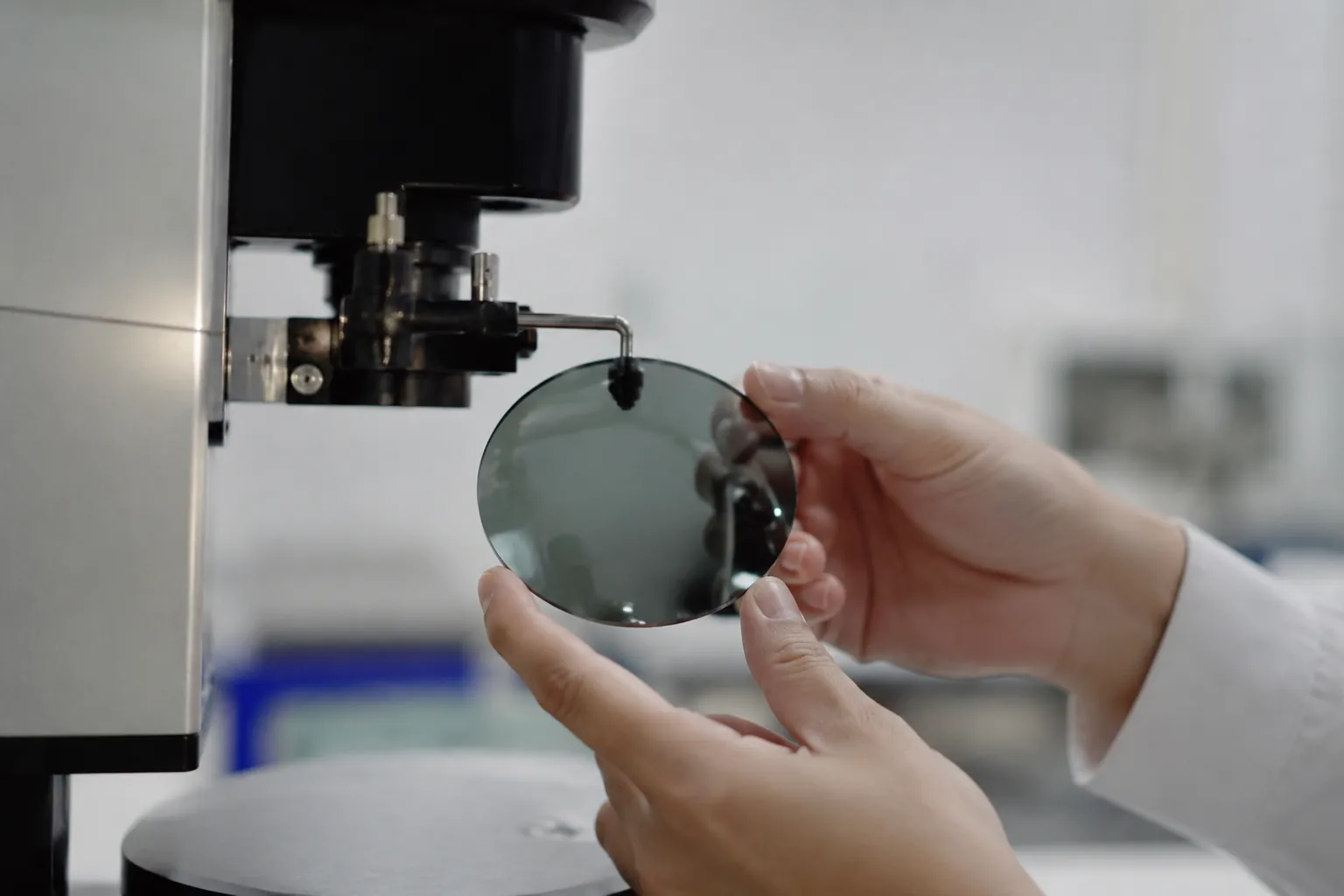
This guide is for overseas buyers sourcing polarized sunglasses for retail, promotional, resort, sport, and private-label programs. It explains why polarized film peels, why some lenses create wavy vision, and why many return claims start with weak specifications. Use it to define lens material, thickness, curve, coating, decoration, testing, packaging, MOQ, lead time, and QC requirements before bulk goods leave the factory.
The Three Failures Buyers See First
Polarized lens failures usually show up as edge peeling, visual distortion, or delamination bubbles. Buyers often call all of them "bad polarized lenses." That is too vague. Each defect points to a different process risk.
Edge peeling usually starts at the lens perimeter after cutting, grooving, drilling, or tight frame insertion. Risk rises when the polarizing film line is exposed, the lens edge overheats during edging, or the lens is forced into a groove with too little clearance. Heat and humidity then enter the edge and speed up separation.
Visual distortion is easier to miss. The lens may look fine on a bench. Wearers notice waves, uneven focus, or eye strain outdoors. Common causes include uneven lamination, thickness variation, stressed PC material, an aggressive wrap curve, or frame pressure after assembly.
Delamination bubbles appear as cloudy spots or pockets between layers. They may be visible during incoming QC. They may also appear later, after heat exposure during freight, storage, display, or customer use. A bubble is not only cosmetic. It means the bond between layers has failed in that area.
For volume orders, require the factory to classify defects separately: peeling, bubbles, haze, scratches, axis error, thickness variation, coating pinholes, and distortion. "Lens defect" is not a useful QC category. Each defect needs its own inspection method and corrective action.
Why Polarized Film Peels at the Edge
A polarized sunglass lens is not just a dark lens. Most commercial polarized lenses combine a polarizing film with TAC, PC, nylon, CR39, acrylic, or another substrate. The film reduces glare by controlling light transmission in one direction. It also creates a vulnerable layer if lamination, cutting, or frame fit is poorly controlled.
Peeling usually begins after one or more of these production steps:
- Edging too hot: Dull tools, high cutter speed, or weak cooling can overheat the lens edge and weaken the bond near the perimeter.
- Frame groove too tight: A groove that compresses the lens edge may look secure at assembly but create stress after temperature changes or normal wear.
- Drilling without support: Rimless and semi-rimless styles concentrate stress around holes, slots, and notches.
- Weak edge protection: Exposed lamination lines absorb humidity faster, especially in coastal, resort, and tropical distribution.
- Material and curve mismatch: A stiff lens forced into a flexible injection frame, or a high-wrap lens pressed into a flatter front, can fail even when the lens was made correctly.
Buyers should approve more than lens color and polarization. Ask how the lens will be cut, what tool and cooling controls are used, what groove clearance is allowed, and whether the lens base curve matches the frame front. For injected PC, TR90, and acetate frames, check the frame front and lens curve together before bulk production.
Use a simple fit rule: the lens should seat securely without visible whitening, perimeter stress marks, edge gaps, or manual forcing. The correct fit allowance depends on material, curve, lens thickness, and frame construction. Define it at sample approval. Confirm it during production inspection.
Lens Materials and How They Behave
Material choice affects durability, optical feel, heat behavior, impact resistance, weight, and price. A high-volume promotional style should not use the same lens logic as a premium acetate line or a sport-wrap private-label program. Match the lens to the sales channel, claim risk, compliance target, and frame design.
| Polarized lens type | Typical sourcing range | Practical strengths | Main sourcing risk | Best use case |
|---|---|---|---|---|
| TAC polarized | Common in thin, lightweight sunglass lenses | Lightweight, cost-efficient, widely available, common in fashion and promotional sunglasses | Edge peeling, lower heat tolerance, or coating damage if lamination, cutting, packing, or storage is weak | Seasonal retail, giveaways, resort shops, basic private label |
| PC polarized | Common where impact resistance and flexibility matter | Impact resistant, flexible, useful for active frames and kids styles | Optical distortion if molded, coated, cut, or assembled under stress | Sport, kids, active lifestyle, safety-positioned sunwear |
| Nylon polarized | Common in performance and curved sunglass designs | Good toughness and optical performance in many wrap designs | Higher cost and tighter forming requirements than basic TAC programs | Performance wrap frames and higher-margin retail |
| CR39 polarized | Common in optical-positioned and premium sunwear | Good optical stability and premium feel | Heavier than TAC or PC and less impact resistant than PC | Premium fashion, acetate fronts, optical-positioned sunwear |
TAC remains practical for many B2B programs because cost, capacity, and color availability are predictable. The risk is specifying only "polarized UV400." That is not enough. A usable TAC specification should define material grade, lens thickness target, base curve, visible light transmission category, coating, edge inspection, and packing method.
Compliance must match the destination market and product claim. Relevant requirements can include CE EN ISO 12312-1, ANSI Z80.3, AS/NZS 1067, REACH, and FDA registration. Identify these requirements before sampling, not after cartons are packed.
Lamination Is Where Many Claims Start
Lamination is the step where polarizing film becomes part of a usable sunglass lens. The process must control film orientation, adhesive behavior, pressure, temperature, curing or stabilization time, cleanliness, and storage. Small misses matter. A dust point becomes a visible inclusion. Uneven pressure can create wavy vision. Film stored in heat or humidity can be weakened before cutting even begins.
In a factory review, ask for these controls:
- Film storage: Polarizing film should be kept away from humidity, direct heat, dust, oil, and strong light. Opened rolls should be protected, identified, and handled under clear rules.
- Axis control: Left and right lenses should align consistently against a known reference. The acceptable tolerance should be written in the specification and verified during QC.
- Thickness control: Larger lenses and wrap lenses need consistent thickness because variation is easier to notice during wear and can affect frame fit.
- Clean lamination area: Dust, fingerprints, release-agent residue, and oil between layers cannot be repaired after lamination.
- Post-lamination stabilization: Lenses should stabilize before cutting, coating, or assembly according to the material and process used. Rushed samples can pass early checks and fail later after heat exposure.
Sample approval should cover more than mirror color and logo position. Wear the sample outdoors. Rotate it against a phone screen. View a car windshield, reflective water, or glass. Inspect the edge under magnification. For larger orders, ask the factory to keep signed pre-production samples and retained control samples from bulk production.
If a supplier cannot explain how it controls film orientation, lens stabilization, edge quality, and lot traceability, do not approve a large polarized order under a vague specification.
Heat, Freight, Decoration, and Abuse
Many polarized claims appear after normal factory inspection because heat was not tested. Sunglasses may sit in containers, trucks, shop windows, warehouse racks, beach bags, and car interiors. Polarizing film, adhesive, coatings, and frame material expand at different rates. That mismatch creates stress at the edge and around drilled, notched, or tightly held areas.
Dark lenses, dark frames, and mirror coatings can absorb more heat than light-colored combinations. A black frame with a dark polarized lens in a resort display window is under more stress than a light frame with brown lenses stored indoors. Large shield lenses and aggressive wrap frames add risk because lens area and curvature can amplify stress.
Packaging changes the failure rate too. A pouch-only shipment may work for some low-cost matte lenses, but it may allow rubbing, pressure marks, or deformation if cartons are compressed. Mirror polarized lenses usually need stronger scratch control, such as a microfiber pouch, individual polybag, divider, or hard case, depending on price point and claim risk. Define carton packing density in the purchase order.
Decoration can affect both lens and frame risk. Laser engraving on temples is usually lower risk than processes involving heat, solvent, glue, or added parts near the frame front. Pad printing needs curing control so solvents do not attack coatings or frame surfaces. Heat-transfer logos, metal logo plates, rhinestones, glued trims, and metal inserts should be tested on the actual frame and lens combination.
A practical heat check compares approved samples before and after controlled heat exposure. Inspect edge adhesion, frame fit, visual distortion, coating appearance, hinge tension, and decoration integrity. For hot-climate distribution, add humidity exposure where appropriate. Record the test condition. Do not accept "heat tested" without details.
Write a Spec the Factory Can Build
A strong specification removes guessing. "Polarized UV400 lens" describes a sales claim, not a manufacturing target. For custom sunglasses, write the lens specification together with the frame specification. The two parts fail together.
Include these items in the purchase specification:
- Lens material: TAC, PC, nylon, CR39, acrylic, or approved alternative.
- Lens thickness target and acceptable tolerance for the selected material and frame design.
- Base curve, lens shape, frame model, and confirmed lens-frame match.
- Lens color, visible light transmission category, UV400 claim, and mirror or coating requirement.
- Polarization performance and left-right axis consistency against an agreed reference.
- Compliance target: CE EN ISO 12312-1, ANSI Z80.3, AS/NZS 1067, FDA registration, or REACH as relevant.
- Acceptance criteria for scratches, haze, bubbles, peeling, coating pinholes, axis error, color variation, and distortion.
- Decoration method: laser logo, pad print, metal logo, hot stamp, temple print, lens mark, or other approved process.
- Packaging method: pouch, polybag, case, insert card, barcode label, and carton packing limit.
MOQ and price depend on how many variables are being controlled: frame material, lens type, coating, decoration, packaging, compliance work, color matching, and whether existing tooling can be used. Low-MOQ programs are useful for sampling, retail trials, influencer packs, resort programs, and colorway testing. Larger orders usually give the factory more room to plan material purchasing, line setup, and process control.
Confirm sampling and bulk lead times in writing before deposit. Available materials and standard decoration are usually faster than custom lens colors, new mirror coatings, special packaging, new tooling, or third-party compliance testing. The cleanest workflow is simple: approve the frame, lens, decoration, packaging, and compliance target before the factory starts bulk material purchasing.
QC Checks Before Cartons Leave Wenzhou
Polarized lens QC should combine optical, mechanical, cosmetic, and packing checks. A basic room-light visual inspection is not enough, especially for mirror lenses, wrap curves, drilled lenses, or tight acetate fronts.
Useful factory checks include:
- Polarization verification: Confirm glare reduction with a polarized tester or controlled reflective surface.
- Axis comparison: Rotate left and right lenses against a polarized reference and check for consistent behavior.
- Distortion screen check: View lenses over a grid or line pattern to detect waves, stress, and uneven focus.
- Thickness measurement: Check sampled pieces from each lot with a caliper, lens gauge, or approved measuring method against the agreed tolerance.
- Edge inspection: Inspect the full perimeter for exposed film, chips, whitening, gaps, cracks, or early separation.
- Fit pressure check: Confirm the lens is secure without forcing, frame deformation, or stress marks.
- Coating inspection: Check mirror color variation, scratches, pinholes, haze, uneven tint, and coating contamination.
- Carton audit: Check pouch, polybag, case, carton pressure, barcode labels, warnings, and compliance markings before shipment.
For overseas buyers, ask for inline and final inspection photos, defect counts, retained samples, and a written inspection report. Define AQL levels and critical defects in the purchase order. Peeling, delamination, wrong compliance marking, failed UV protection, and major optical distortion should be treated as serious defects, not minor cosmetic variation.
ISO 9001 and BSCI can support supplier management, but they do not prove that a specific polarized lens lot is acceptable. Lens quality still depends on written specifications, trained operators, tooling condition, lamination control, assembly pressure, inspection discipline, and traceable retained samples.
A Buyer's Decision Framework
Before approving a polarized sunglass order, match the lens choice to the commercial risk. A resort shop style, gas-station promotional style, sport-wrap private-label style, and premium acetate style should not use the same decision logic.
| Buyer priority | Recommended focus | Risk if ignored |
|---|---|---|
| Lowest unit cost | Use a simple lens and frame structure, avoid unnecessary drilling, define edge inspection clearly | Peeling claims can erase the savings |
| Sport positioning | Consider PC or nylon, test wrap distortion, check impact behavior and fit pressure | Eye strain, warped vision, weak repeat purchase |
| Premium retail feel | Prioritize optical clarity, coating consistency, acetate fit, and protective packaging | Returns for cheap lens feel even when polarization works |
| Hot-climate distribution | Add heat and humidity checks, avoid tight grooves, improve scratch and pressure protection in packing | Delayed delamination after arrival |
The practical path is clear: approve the design, approve the lens material, test pre-production samples, then lock the specification. Do not change lens color, mirror coating, frame curve, decoration, or packaging after sample approval without retesting. Small changes can move stress from acceptable to unacceptable.
Factory rule: polarized lenses fail at the weakest combination point. It may be the film, adhesive, edge cutting, frame groove, heat exposure, decoration process, or packing pressure. The buyer's job is to make that combination visible before bulk production.
For buyers importing from Wenzhou, the advantage is supply-chain depth. The risk is assuming every supplier manages that chain with equal discipline. Ask for MOQ, price breaks, sample timing, bulk lead time, compliance documents, lens tolerances, decoration method, and QC criteria in writing. A serious factory should answer directly and support the answer with samples, process records, or inspection evidence.
Have a custom sunglasses project in mind?
Send us your styles, target market and quantities and we will return a detailed quote with MOQ, lead time and a sample plan.
Get a QuoteWhy source this from Wenzhou with LumiShades
Wenzhou in Zhejiang Province is widely regarded as China’s eyewear manufacturing capital, producing a large share of the world’s sunglasses. That concentration matters to buyers: a deep local supply chain for acetate sheet, hinges, lens blanks, plating and packaging means shorter component lead times, easier color and material matching, and a workforce with decades of eyewear-specific skill. LumiShades has manufactured in this ecosystem since 2009, and our vertical integration — in-house injection molding, acetate cutting, CNC milling, lens tinting, decoration and quality control — means no part of your order is quietly subcontracted to a workshop you cannot audit.
For international buyers, that vertical control translates into accountability. When a single factory owns every step, defects are traced and fixed at source rather than bounced between vendors, and your specifications survive intact from first sample to bulk. We back this with 15+ years of experience, shipments to 60+ countries, more than 5 million pairs produced per year and a 98.5% on-time delivery rate. Our certifications — CE EN ISO 12312-1, FDA registration, ANSI Z80.3, AS/NZS 1067, REACH, ISO 9001 and BSCI audit — mean the compliance documentation your market requires already exists. Explore our manufacturing capabilities and quality control process to see how this works in practice.
Frequently asked questions
What is the most common reason polarized sunglass lenses peel? Peeling most often starts at the lens edge, where film, adhesive, cutting quality, frame pressure, and humidity meet. Ask the supplier to inspect the full perimeter for exposed film, whitening, chips, gaps, and early separation. For drilled, rimless, semi-rimless, high-wrap, or hot-climate styles, require extra edge and fit-pressure checks before bulk approval.
Is TAC polarized lens material acceptable for B2B sunglasses? Yes. TAC is widely used for fashion, promotional, resort, and seasonal retail sunglasses. The buyer should not specify only "polarized UV400." A workable TAC spec should define thickness target, base curve, lens color, visible light transmission category, coating, polarization check, edge inspection, packaging method, and applicable compliance target.
Can polarized distortion pass factory inspection and still cause returns? Yes. A quick bench inspection can miss wavy vision, especially on wrap frames or stressed PC lenses. Add a grid distortion check, left-right axis comparison, thickness check, lens-fit pressure check, and outdoor wear review before approval. Keep a signed pre-production sample so bulk goods can be compared against an agreed reference.
Which certifications matter for polarized sunglasses? Relevant requirements depend on the destination market and product claim. Commonly referenced requirements include CE EN ISO 12312-1, ANSI Z80.3, AS/NZS 1067, REACH, and FDA registration where applicable. ISO 9001 and BSCI relate to supplier management, not automatic proof that a specific sunglass lens lot meets optical or UV requirements. Ask for documents that match the exact product, market, and claim.
How should a buyer test polarized sunglasses before approving bulk production? Approve a pre-production sample and test it under realistic use conditions. Check polarization with a tester or reflective surface, inspect the edge under magnification, view a grid through both lenses, compare left and right lens axis, wear the sample outdoors, and review fit after heat exposure if the product will ship to or sell in hot climates. Record the approved sample and inspection criteria in the purchase order.
How long should sampling and bulk production take for custom polarized sunglasses? Lead time depends on material availability, frame tooling, lens coating, decoration, packaging, and compliance testing. Standard materials and existing tooling are usually faster. Custom mirror coatings, new colors, special packaging, or third-party testing add time. Buyers should request a written schedule that separates sample development, sample approval, material purchasing, bulk production, inspection, and shipment.
What MOQ should buyers expect for custom polarized sunglasses? MOQ depends on frame material, lens material, color, coating, decoration, packaging, tooling, and whether the supplier can use existing components. Small trial orders are useful for market testing, but they may limit custom options or raise unit cost. Larger orders usually improve material purchasing and production efficiency. Ask the supplier to quote price breaks with the same written specification so the comparison is meaningful.
Ready to start?
Explore our square sunglasses or request a quote — our sales team replies within 12 hours.
Request a Quote