
Metal Sunglass Frames: Monel, Stainless and Titanium Compared
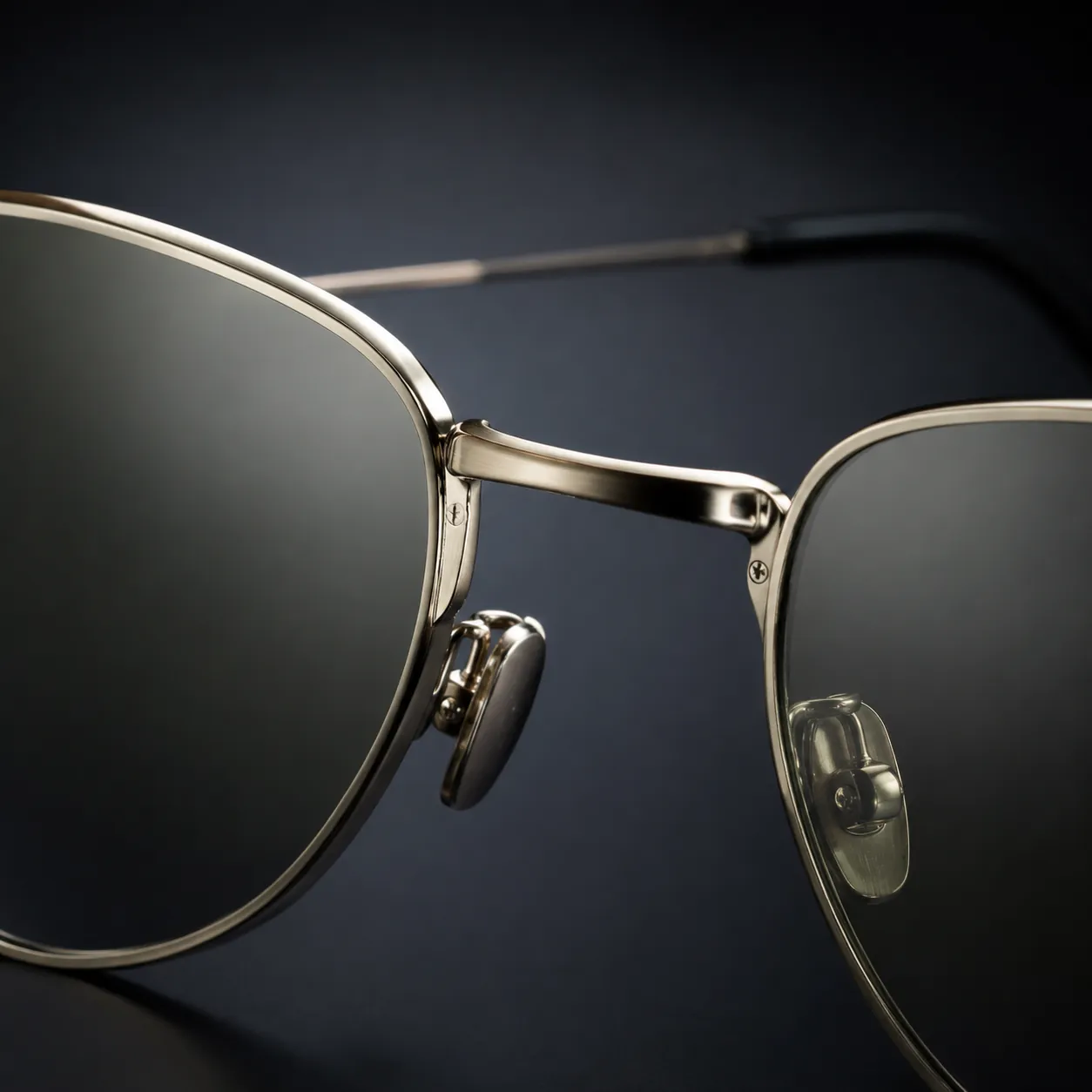
Metal sunglass frames carry an elegance and precision that plastics can't match — but "metal" covers very different alloys with very different properties and prices. Monel, stainless steel and titanium each suit different products and budgets. This guide compares them so you spec the right metal for your frames.
The three main metals
- Monel: a nickel-copper alloy, the workhorse of metal eyewear — malleable, affordable, easy to plate.
- Stainless steel: strong, corrosion-resistant, holds fine thin profiles, mid-priced.
- Titanium: the premium metal — ultra-light, hypoallergenic, exceptionally corrosion-resistant.
Head-to-head comparison
| Property | Monel | Stainless Steel | Titanium |
|---|---|---|---|
| Weight | Medium | Medium | Very light |
| Corrosion resistance | Moderate (needs plating) | Good | Excellent |
| Hypoallergenic | No (contains nickel) | Mostly | Yes |
| Malleability/adjust | Excellent | Good | Good |
| Cost | Low | Mid | High |
| Best for | Value–mid metal frames | Mid, thin profiles | Premium, sensitive skin |
Monel: the affordable standard
Monel is the most common metal in eyewear because it's easy to work, takes plating well and keeps costs down. It's highly adjustable, which opticians and wearers appreciate. The trade-offs: it contains nickel (an allergy concern for some) and relies on plating for corrosion resistance, so plating quality is critical. Good for aviator and classic metal styles at accessible prices.
Stainless steel: strength and fine lines
Stainless steel offers better corrosion resistance than Monel and the strength to hold very thin, minimalist profiles without bending out of shape — ideal for sleek modern designs and rimless frames. It's a sensible mid-tier choice when you want durability and a refined look without titanium's price.
Titanium: the premium choice
Titanium is the prestige eyewear metal: roughly 40% lighter than steel, completely hypoallergenic, and virtually immune to corrosion. It's the natural pick for premium frames, sensitive-skin markets and travel/outdoor lines where lightness matters. The cost is significantly higher and it's harder to machine, which is why it sits at the top of the range.
Titanium is the metal customers don't notice they're wearing — and that weightlessness is exactly what they pay a premium for.
The plating that goes on top
Most metal frames are plated for color and protection. Common methods:
- IP (Ion Plating): durable, scratch-resistant, wide color range — the premium standard.
- Electroplating: common, good color, less durable than IP.
- Gold/rose-gold/gunmetal finishes: achievable via plating on any base metal.
Plating quality determines how the frame ages — cheap plating wears at contact points within months. Always spec the plating method and require a salt-spray/wear test in QC.
Nickel and skin sensitivity
Nickel allergy is common, and Monel contains nickel. For sensitive-skin markets (and EU nickel-release regulations), specify low-nickel-release plating, or choose stainless/titanium. This is both a comfort and a compliance issue — confirm nickel-release testing where required.
How to spec a metal frame
- Choose the alloy by tier (Monel value, steel mid, titanium premium).
- Specify plating method (IP preferred) and color.
- Address nickel release for sensitive-skin/EU markets.
- Choose hinge type — see hinge types.
- Require plating durability (salt-spray/abrasion) testing.
Sourcing metal sunglass frames?
LumiShades produces Monel, stainless and titanium frames with durable IP plating in-house. Tell us your tier and we'll recommend and sample the right metal.
Request a free quoteSummary
Monel offers affordable, adjustable metal frames; stainless steel adds strength and fine profiles; titanium delivers premium lightness and hypoallergenic comfort. Match the alloy to your price point and audience, spec quality plating, and handle nickel release for sensitive markets.