
Aluminum vs Steel vs Titanium Eyewear Frames
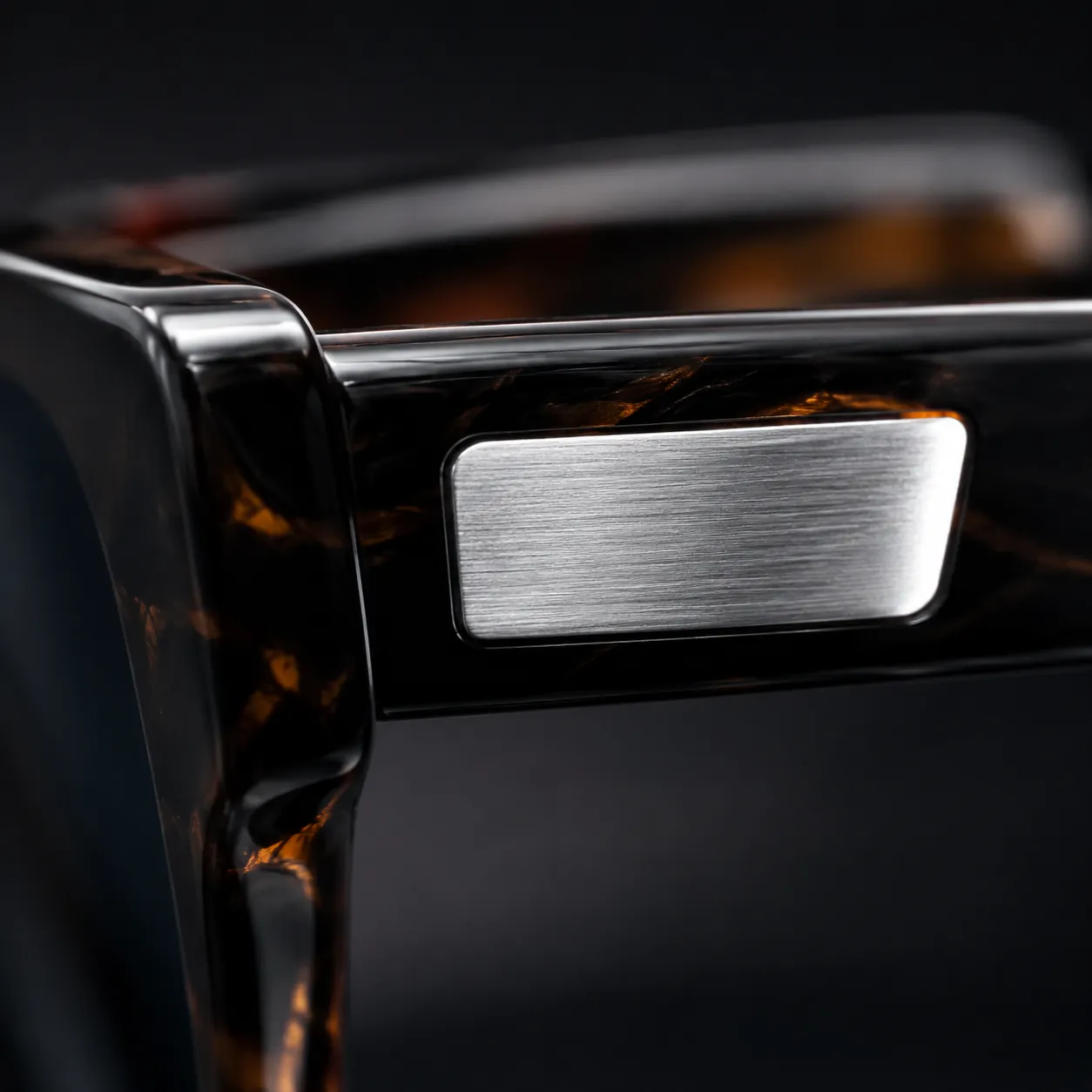
If you buy sunglasses or optical frames for a brand, importer, chain, or distributor, the metal you choose affects more than looks. It changes tooling, finish consistency, warranty risk, selling price, and where the product sits in the market. This guide compares aluminum, stainless steel, and titanium in plain commercial terms so you can match the material to your margin and channel.
Start with the job, not the metal
Many sourcing mistakes start with a sketch and no commercial target. That is the wrong sequence. First define the selling channel, target retail price, expected wear, and the durability level the frame needs. A fashion sunglass for promotional use does not need the same build standard as an optical frame sold through a professional eyewear channel.
For metal eyewear, the real question is simple: do you need the lowest landed cost, the best corrosion resistance, or the lightest premium feel? Aluminum, stainless steel, and titanium can all work. They solve different problems. Aluminum is usually chosen for light weight and fashion-led styling. Stainless steel is the default all-round option. Titanium is used when the buyer wants a premium material story and can support the higher cost.
Material is only part of the quote. Temple length, front thickness, lens shape, hinge type, finish system, and decoration method all affect manufacturability. These details move cost and consistency as much as the base metal does. Sometimes more.
Aluminum: light, but not forgiving
Aluminum can fit fashion-led sunglasses where weight matters and the product is not expected to take heavy daily wear. It creates a clean, modern look. It also feels light in hand. That matters for oversized shapes and color-forward designs.
The trade-off is durability and finish sensitivity. Aluminum is softer than stainless steel and can show wear sooner on corners, bridge edges, and temple ends if the coating system is weak. It also needs careful surface preparation and finish control. If the geometry is thin or highly curved, forming tolerances matter even more.
Commercially, aluminum is best for style-driven programs that need a lighter feel and a contemporary look. It is less suitable when the frame must handle frequent flexing, rough transport, or long service life. If the customer will use the frame hard every day, stainless steel or titanium is usually the safer choice. No drama.
Stainless steel: the default business choice
Stainless steel is the most common metal frame material because it balances cost, strength, corrosion resistance, and production consistency. For many buyers, it is the safest sourcing choice because the material is predictable in mass production and widely understood by factories.
It is strong enough for daily wear, thin enough for sleek styling, and flexible enough to support a wide range of finishes and decorations. Stainless steel also works well for hinge assembly, nose pad attachment, and repeatable production across multiple colorways. For many commercial programs, that combination makes it the most practical option.
The main limitation is positioning. Stainless steel is often seen as less premium than titanium, especially if the design is basic or the finish is ordinary. That is not a technical weakness. It is a branding issue. If your product needs to justify a higher price point, the design language and finish quality must support it.
Titanium: premium, but only if the spec supports it
Titanium is the right choice when the buyer needs a light frame, strong corrosion resistance, and a premium material story that can stand up to inspection. It is common in higher-end optical and sunglasses programs because it offers comfort and durability while still feeling premium in hand and on face.
It also brings stricter manufacturing requirements. Material cost is higher, forming is less forgiving, and finishing must be controlled carefully. Designs with unnecessary complexity, sharp transitions, or decorative features can become expensive quickly because scrap and rework cost real money.
Use titanium when the target market can pay for it and the brand wants to sell a real premium feature, not just a premium label. If the channel cannot support the added cost, stainless steel is usually the more rational choice.
Comparison table: what each metal is good for
| Material | Best use case | Typical cost pressure | Durability / corrosion | Commercial note |
|---|---|---|---|---|
| Aluminum | Fashion-led sunglasses, lightweight designs, fast colorway programs | Lower material cost, but finish yield can affect total cost | Moderate strength; coating quality matters a lot | Good for style at accessible retail, less ideal for rough daily wear |
| Stainless steel | Mainstream mass-market and mid-tier premium frames | Balanced cost; tooling and finishing still matter | Strong, stable, good corrosion resistance | Best all-around choice for volume buyers who want fewer surprises |
| Titanium | Premium optical and sunglasses programs | Highest material and process cost | Excellent strength-to-weight and corrosion resistance | Best for higher ASPs and brands selling material value |
There is no universal winner. The right material depends on the channel, the retail target, and the production consistency the factory can hold.
Cost drivers buyers usually miss
Raw material is only one part of the quote. On metal frames, cost is often driven by finish complexity, hinge type, logo method, and tolerance control. A clean stainless steel frame with standard finishing is usually easier to produce than a titanium frame with multiple polish stages and a metal logo plate. A simple aluminum frame can also become expensive if finish defects create rework or reject rates.
Buyers should pay attention to a few practical factors:
- Wall thickness and tube geometry affect deformation risk during forming.
- Decorative treatments such as laser engraving, pad printing, and metal logo plates add labor and inspection points.
- Special lens tints, mirrored finishes, and multi-step coatings add process time and quality checks.
- Hinge specification affects both assembly time and cycle performance.
- Packing standards matter because metal surfaces can mark or scratch in transit.
MOQ and scale also matter. For lower-complexity programs, many factories can offer small starting quantities for sampling and market testing, while pricing usually improves as order volume increases. Ask for pricing at several quantities. Compare the full specification, not just the base frame.
Process differences in production
Metal frame manufacturing is a sequence, not a single step. Typical stages include forming, cutting, joining, polishing, finishing, assembly, and final inspection. The exact sequence depends on the material and the frame design. Aluminum needs careful surface preparation before finishing. Stainless steel needs consistent polishing and coating control. Titanium requires tighter process discipline because the material is less forgiving and cosmetic defects are easier to see.
Because every factory organizes production differently, the safest approach is to ask for the process flow for the exact frame you want. That includes the material spec, finish method, hinge type, and decoration method. The more stable the specification, the easier it is to manage lead time and quality.
Sample time and bulk time should also be confirmed against the exact spec before you commit. If the buyer changes temple thickness, finish color, or logo placement after sampling, the schedule moves. That is normal. Plan for it.
Compliance and market access
Material choice does not replace compliance. It sits beside it. The finished eyewear still needs to meet the destination market's requirements, and the right test path depends on where the product will be sold. Common references for eyewear programs include CE EN ISO 12312-1, ANSI Z80.3, AS/NZS 1067, REACH, FDA registration, ISO 9001, and BSCI.
Buyers should align the product specification with the market before launch. A frame sold into Europe should be developed with the relevant CE pathway in mind. U.S. buyers should confirm the product and documentation expectations linked to FDA registration and the appropriate performance standard, such as ANSI Z80.3 for sunglasses. Australia and New Zealand require alignment with AS/NZS 1067. REACH matters for restricted substances in the European market. ISO 9001 and BSCI relate to quality management and social compliance systems, not product testing, but they still matter in supplier qualification.
A practical rule: do not approve a frame only because it looks good. Confirm that coatings, nose pads, adhesives, and decorative parts also fit the compliance path you need. Many import problems come from finishing materials and accessories, not from the metal frame itself.
How to choose the right metal for your line
If you need a simple sourcing rule, use this: aluminum for style-first and price-sensitive fashion, stainless steel for broad commercial use, titanium for premium positioning with real margin behind it. The more detailed choice depends on the channel, the wear pattern, and the price point you need to hit.
- Define target retail price and FOB ceiling.
- Identify the likely wear environment: office, travel, beach, daily commute, or fashion drop.
- Choose the material based on weight, strength, and brand positioning.
- Lock the finish system before confirming decoration.
- Approve samples with fit, flex, and finish checks.
- Confirm packing requirements to reduce cosmetic damage in transit.
For many buyers, the most practical launch path is stainless steel. It gives enough room to test the market without paying for titanium or accepting the durability trade-offs of aluminum. If the line succeeds and the brand wants a premium tier, titanium becomes the upgrade. If the goal is trend-driven turnover, aluminum can work, but the coating and packing standards need to be defined early.
Do not let "metal" become the strategy. The material should support the channel, the price, and the product claim.
When comparing suppliers, ask for the same core information on every quote: exact material or alloy spec, finish process, hinge type, MOQ, sample time, bulk lead time, and certification support. Without that, quotes are not directly comparable.
Have a custom sunglasses project in mind?
Send us your styles, target market and quantities and we will return a detailed quote with MOQ, lead time and a sample plan.
Get a QuoteWhy source this from Wenzhou with LumiShades
Wenzhou in Zhejiang Province is widely regarded as China’s eyewear manufacturing capital, producing a large share of the world’s sunglasses. That concentration matters to buyers: a deep local supply chain for acetate sheet, hinges, lens blanks, plating and packaging means shorter component lead times, easier color and material matching, and a workforce with decades of eyewear-specific skill. LumiShades has manufactured in this ecosystem since 2009, and our vertical integration — in-house injection molding, acetate cutting, CNC milling, lens tinting, decoration and quality control — means no part of your order is quietly subcontracted to a workshop you cannot audit.
For international buyers, that vertical control translates into accountability. When a single factory owns every step, defects are traced and fixed at source rather than bounced between vendors, and your specifications survive intact from first sample to bulk. We back this with 15+ years of experience, shipments to 60+ countries, more than 5 million pairs produced per year and a 98.5% on-time delivery rate. Our certifications — CE EN ISO 12312-1, FDA registration, ANSI Z80.3, AS/NZS 1067, REACH, ISO 9001 and BSCI audit — mean the compliance documentation your market requires already exists. Explore our manufacturing capabilities and quality control process to see how this works in practice.
Frequently asked questions
Which metal frame material gives the best balance of cost and performance? For most B2B buyers, stainless steel is the best balance. It is strong, stable in production, widely available, and usually easier to price into mid-market retail than titanium. If you need a premium material story, titanium is the next step up; if the project is fashion-led and price-sensitive, aluminum can work with tighter finish control.
Is aluminum suitable for daily-use sunglasses? Sometimes, but it depends on the design and coating system. Aluminum is best when the frame is light, fashion-led, and not expected to take heavy daily abuse. If the product will be worn hard every day, stainless steel is usually the safer choice because it is less sensitive to wear and flex.
When should I pay for titanium instead of stainless steel? Choose titanium when the market can pay for it and the product needs a real premium claim based on material performance. It makes the most sense for buyers who want lower weight, strong corrosion resistance, and a premium feel. If the higher cost cannot be recovered in the retail price, stainless steel is usually the better business decision.
How does MOQ affect metal frame sourcing? MOQ affects both price and flexibility. Smaller runs are useful for testing a design, but unit cost usually improves as quantities increase. Ask the supplier for pricing at several order levels so you can see where the economics change and whether the design is worth scaling.
What should I confirm before approving a metal frame sample? Check fit, weight, finish quality, hinge action, logo execution, and how the frame behaves under normal bending and handling. Also confirm that the material, coatings, and decorative parts fit the compliance requirements for the destination market. A good-looking sample is not enough if the finish or documentation does not support the final sale.
How long should I plan for samples and bulk production? Lead time depends on the final specification, the finish method, and whether the materials are already available. In practice, ask the supplier for a sample schedule and a separate bulk schedule tied to the approved spec. If you change the design after sampling, expect the timeline to move.
Ready to start?
Explore our square sunglasses or request a quote — our sales team replies within 12 hours.
Request a Quote