
Recycled Metal Frames: Weight, Corrosion, and Cost
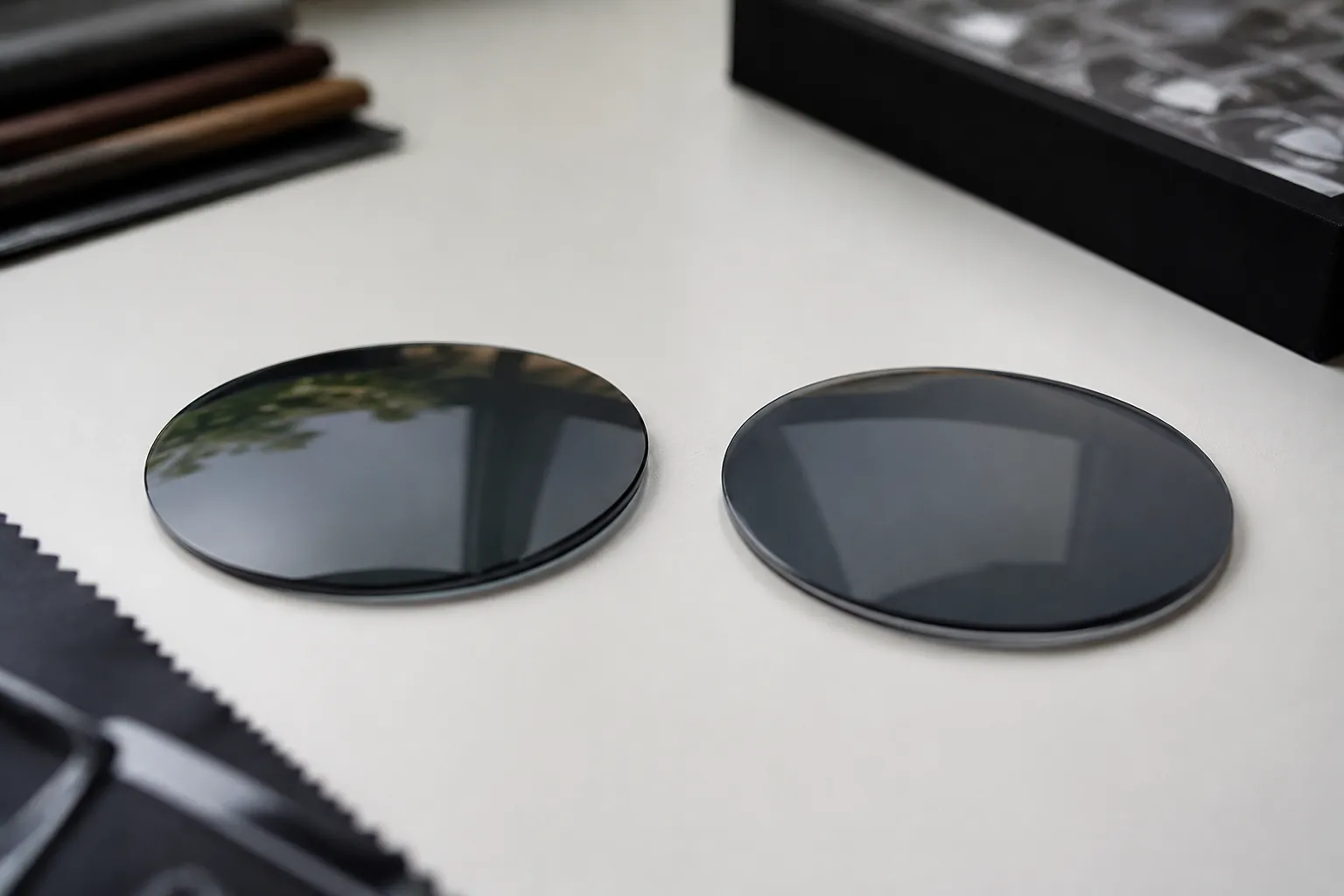
This guide is for brands, importers, distributors, and retailers sourcing custom sunglasses or optical frames in volume. If you want a premium look without crushing margin, recycled metal deserves a hard look. But the alloy name is only the starting point. In production, the real decision usually comes down to weight, corrosion resistance, finish quality, and whether the factory can hold the same result from sample to bulk. That is where sourcing protects margin. Or quietly eats it.
What recycled metal means in eyewear
In eyewear, "recycled metal" usually means reclaimed scrap is collected, re-melted, cleaned up, and turned back into usable alloy stock for frames, temples, hinges, bridge parts, or wire components. That does not make it weak by default. It just means the supplier has one more variable to control.
The real issue is process control. The factory needs tight control over chemistry, oxygen content, trace metals, and surface cleanliness before the metal enters cutting, welding, or plating. If those steps slip, the frame may still look fine in sample. It will not always hold up in salt air, sweat, or normal retail handling. That is the gap buyers need to close.
For custom sunglasses and optical frames, buyers usually compare recycled stainless steel, recycled aluminum, and recycled copper-alloy or monel-style routes. The right choice depends on the market. A fashion program for inland retail can tolerate a little more cosmetic variation than a coastal or activewear line. Humid regions are different. Beach stores are different. If your customers live in those places, corrosion and finish durability matter more than the word "recycled" on a spec sheet.
Recycled metal also changes the way the frame is made. Stainless sheet can be laser cut, stamped, bent, welded, brushed, and plated with fairly predictable results. Aluminum often needs more careful anodizing or coating to limit wear at edges and hinge zones. Copper-alloy and monel-style materials can feel premium and hold shape well, but they demand tighter polishing and plating control. Tarnish, color drift, and skin-contact complaints show up fast if the finish stack is weak.
Start with the build, not the slogan. Define the base metal, the finish system, and the tolerances before you talk about style. A bridge that looks elegant in CAD can still be a bad production choice if it traps plating near weld points or forces extra wall thickness just to survive assembly. Good sourcing starts with manufacturability. Not mood boards.
The three metal paths buyers compare
Most sourcing conversations narrow to three practical routes. Each one has a different weight profile, corrosion behavior, and cost structure. Each one also fails differently if the process is weak.
| Option | Typical finished weight | Corrosion behavior | Typical cost impact | Best use case |
|---|---|---|---|---|
| Recycled stainless steel | 18 to 28 g for adult full-metal sunglasses, depending on lens size and temple construction | Generally strong in daily wear; performs well if polishing, plating, and edge treatment are controlled | Usually mid-range; stable at scale | Mainstream premium sunglasses, optical frames, export programs, broad retail lines |
| Recycled aluminum | Very light; often 14 to 22 g in minimalist builds | Needs careful anodizing or coating; scratches and edge wear appear quickly if the surface stack is thin | Can be efficient on material, but finish control adds cost | Lightweight fashion frames, travel-friendly styles, weight-led marketing |
| Recycled copper-alloy / monel-style metal | Usually heavier, often 22 to 32 g for similar frame sizes | Good strength, but plating quality is critical to prevent tarnish, darkening, and skin-reaction complaints | Often higher because polishing and plating yield matter more | Premium-looking slim frames, detailed metal work, higher-touch retail programs |
Do not choose by alloy name alone. Two factories can both quote "stainless steel" and still deliver different results. Tube thickness, sheet gauge, cutting accuracy, weld quality, polish level, and plating stack all matter. They move the outcome more than the headline material.
For a serious quote comparison, ask for the base metal family, the nominal thickness, the hinge type, and the finishing method. If a supplier cannot specify thickness in mm or explain the coating process in plain language, treat the quote as a rough idea, not a controlled build.
Simple shapes are the safest place to use recycled metal. Thin rims, straight temples, and moderate bridge spans are easier to control than compound curves, thick bevels, or multi-material joints. If the frame design is complex, keep the material choice conservative.
Weight targets buyers should specify
Weight is not just a comfort issue. It also affects perceived quality, packaging density, and return behavior. Too light, and the frame can feel flimsy or unstable on the face. Too heavy, and customers feel pressure on the nose and ears within an hour. Both problems sell poorly.
For adult full-metal sunglasses, a practical target is often 18 to 28 grams finished weight, including lenses, screws, nose pads, and decorative parts. Smaller lens shapes can sit lower. Oversized fashion silhouettes can sit higher if the bridge and temple balance are right. Balance matters more than bragging rights.
Brief weight by finished pair, not by bare frame concept. Ask the factory to quote the weight with lenses installed. Hardware, logo plates, hinge reinforcement, and nose pad arms all affect the final number. On a 50-pair MOQ order, that gap may look small on paper. On a 5,000-pair order, it changes carton density, freight cost, and how the frame feels across a whole shelf set.
For a sourcing brief, specify at least one target range and one hard ceiling. Example: target 22 to 24 g, maximum 26 g finished, measured after assembly and before packing. If you want a premium light feel, ask for three trial thickness options for the same geometry, such as 0.8 mm, 1.0 mm, and 1.2 mm sheet or tube equivalents where the design allows it. A small thickness change can materially affect rigidity, hinge feel, and the sense of quality at the temple opening.
Be careful with recycled aluminum. It can win on weight, but a frame that is too thin may flex in a way buyers read as cheap, especially when the lens sits in a larger front. Then the factory thickens other areas to compensate. The weight advantage shrinks. Finishing gets harder. The best light metal frame is usually not the thinnest one. It is the one with the right stiffness and surface control.
Corrosion and surface failure modes
Corrosion is where cheap-looking failures start. Sweat, sunscreen, coastal humidity, smoke residue, and aggressive cleaning chemicals are the usual triggers. In recycled metal frames, the weak point is often the finish rather than the base alloy. Poor polishing leaves micro-scratches that hold residue. Weak plating lets moisture creep in at the hinge knuckle, the bridge solder line, or the edge of a cut hole.
Buyers should treat finish specification as part of the material specification. A strong alloy with a weak coating still fails in the market.
Ask for the finish stack in writing. At minimum, that should include the base metal, the surface preparation method, the plating or coating type, the target coating thickness if the factory measures it, and the internal test method used before packing. Good suppliers can usually explain whether they use electroplating, PVD, powder coating, anodizing, clear coating, or brushed-and-sealed finishing. If the answer is vague, the process is probably not controlled.
For export programs, ask whether the factory can perform salt-spray checks or another internal corrosion screen before packing. The exact test setup depends on the design and target market, but a supplier should be able to explain what they look for after exposure, such as discoloration, blistering, edge lift, or hinge corrosion. For European programs, REACH matters for coatings and contact materials, especially where plating chemistry or accessories touch skin. Compliance does not replace durability testing. It just lowers regulatory risk.
Recycled stainless steel is usually the safest general-purpose option for corrosion resistance. Aluminum can work well if anodizing or coating is controlled, but scratches and edge wear show up quickly. Copper-alloy or monel-style routes need stronger plating discipline and more careful polishing before finish. If your customer base includes beach markets, gym wearers, or humid-climate retailers, do not choose on appearance alone.
Cost drivers that change your margin
Unit price is not just metal cost. It is die work, cutting loss, welding time, polishing time, plating yield, coating rejects, assembly labor, and QC rework. A quote that looks low on material can become expensive once you factor in rework or a high reject rate. Cheap on paper is not cheap in practice.
For small orders, setup cost dominates. Around 50 pairs, you are paying for tooling readiness, color setup, and sample matching. Around 300 pairs, setup still matters a lot. At 1,000 pairs and above, material efficiency and process stability start to drive the economics more strongly.
That is why recycled metal can be a smart commercial choice if the frame is simple and repeatable. Clean geometry helps yield. Straight temples, standard hinges, limited color options, and fewer decorative steps usually give the best quote stability. Once you add sculpted bridges, multilayer finishes, custom hardware, or mixed-material temple tips, cost rises because each step adds a point of failure.
Pricing should always be treated as factory-specific and order-specific. A quoted unit price depends on frame shape, material thickness, finish system, logo method, packaging, order size, and the amount of hand work needed. A slim, polished frame with a standard hinge usually prices better than one that needs multiple plating colors, extra logo plates, and intensive hand finishing.
One rule works well: every extra finishing step should either improve sell-through or protect the brand. If it only adds shop time, it is dead cost. Laser engraving is usually cleaner and more controllable than deep decoration with multiple hardware pieces. Pad printing, metal logo plates, and enamel-fill marks can work, but they should survive abrasion testing and not interfere with the finish stack. Otherwise, keep the frame clean and put the budget into hinge quality, better polishing, or a more stable coating system.
How to brief a factory without wasting samples
Good samples come from a tight brief. Bad samples come from vague language like "premium, lightweight, durable." Those words do not tell a factory how to build a repeatable frame. The more specific the brief, the less you spend on trial rounds, correction samples, and rework.
- Set the target weight range and lens size first.
- Choose the metal family: stainless, aluminum, or copper-alloy style.
- Define the finish: polished, brushed, matte, plated color, anodized, or coated.
- Specify nose pads, hinge type, screw standard, and logo method.
- State the test market: Europe, U.S., Australia, or mixed export.
- Confirm compliance requirements: CE EN ISO 12312-1, FDA registration, ANSI Z80.3, AS/NZS 1067, REACH, and factory-level systems such as ISO 9001 or BSCI if needed.
Use dimensional detail, not just style language. A useful brief should include front width, lens width, lens height, bridge width, temple length, temple tip style, pad type, and the target tolerances you want the factory to hold. Buyers commonly ask for temple symmetry within a small tolerance and front alignment tight enough that the frame sits evenly without visible twist.
If the supplier can describe its own inspection points, that is a good sign. If not, assume the factory may rely on visual sorting instead of controlled measurement. That is a risk.
Lead time depends on tooling readiness, finish complexity, order size, and whether hardware is already available. A factory that keeps key steps in-house can usually move faster than one that outsources plating or decoration, but no lead time should be treated as fixed until finish and packing are confirmed. If you need a color-matched metallic tone or a special brushed effect, add time for finish trials. That is normal.
The goal is repeatability, not just speed. One good sample means little if bulk units drift on polish level, hinge resistance, or coating adhesion. Before approving, ask for a pre-production sample or golden sample control reference so bulk units can be compared against a physical standard rather than memory.
What to ask before you approve a PO
Before you place the order, force the supplier to answer practical questions. Not the easy ones. The practical ones. They show whether the quote is based on real production control or just sales optimism.
- What is the exact base metal and recycled content claim?
- What finish stack is used on the frame, hinge, and logo area?
- What tolerance is held on temple symmetry and front alignment?
- How is corrosion checked internally before packing?
- Which certifications apply to the specific model, not just the factory?
- What happens if the plating shade drifts between sample and bulk?
- How is the product packed to prevent hinge rubbing and scuffing in transit?
If the factory cannot answer those questions quickly and consistently, expect problems later. Also ask whether the quotation includes lens installation, screw tightening, pad adjustment, wipe cleaning, and final carton inspection. A cheap quote can become expensive if assembly is only partly included and your team has to pay for rework later.
Packaging deserves more attention than most buyers give it. Even a strong frame can arrive damaged if cartons are overfilled, parts move inside the polybag, or the temple tips rub against the lens during transit. That is a packaging failure, not a material failure. The customer will still blame the product. A proper packing spec should control inner bag fit, carton partitioning, and master carton loading so the finish survives freight.
Which option fits which buyer
There is no single winner. Recycled stainless steel is usually the safest default for brands that want a balanced mix of durability, cost, and export flexibility. It handles the widest range of markets with the least drama. Recycled aluminum fits lightweight fashion programs when the visual concept can tolerate stricter coating control and more careful handling. Copper-alloy or monel-style frames suit premium looks where the buyer accepts higher finish discipline, a slightly heavier hand-feel, and more careful care instructions.
If your main goal is margin, simplify the build. Use a proven hinge, limit plating colors, and keep logo decoration restrained. If your goal is retail sell-through, spend on comfort and finish consistency. Those two goals overlap more than many buyers think. A frame that feels balanced, resists corrosion, and arrives with stable color will move faster than one that only looks expensive in the sample room.
For most overseas B2B programs, the smartest path is to start with one recycled metal platform, then test one finish variant and one logo method. Do not split into five frame constructions before you know which one survives production and returns. Start with one controlled model, lock the finish, confirm the packing, and only then expand the range. That is how sourcing stays controlled and margins stay predictable.
FAQ for buyers
Use these answers as a sourcing checklist when you compare suppliers, request samples, or prepare a purchase order.
Have a custom sunglasses project in mind?
Send us your styles, target market and quantities and we will return a detailed quote with MOQ, lead time and a sample plan.
Get a QuoteWhy source this from Wenzhou with LumiShades
Wenzhou in Zhejiang Province is widely regarded as China’s eyewear manufacturing capital, producing a large share of the world’s sunglasses. That concentration matters to buyers: a deep local supply chain for acetate sheet, hinges, lens blanks, plating and packaging means shorter component lead times, easier color and material matching, and a workforce with decades of eyewear-specific skill. LumiShades has manufactured in this ecosystem since 2009, and our vertical integration — in-house injection molding, acetate cutting, CNC milling, lens tinting, decoration and quality control — means no part of your order is quietly subcontracted to a workshop you cannot audit.
For international buyers, that vertical control translates into accountability. When a single factory owns every step, defects are traced and fixed at source rather than bounced between vendors, and your specifications survive intact from first sample to bulk. We back this with 15+ years of experience, shipments to 60+ countries, more than 5 million pairs produced per year and a 98.5% on-time delivery rate. Our certifications — CE EN ISO 12312-1, FDA registration, ANSI Z80.3, AS/NZS 1067, REACH, ISO 9001 and BSCI audit — mean the compliance documentation your market requires already exists. Explore our manufacturing capabilities and quality control process to see how this works in practice.
Frequently asked questions
Is recycled metal weaker than virgin metal in eyewear frames? Not automatically. Final strength depends on the alloy chemistry, thickness, heat treatment where applicable, and process control. A properly processed recycled alloy can perform well in sunglasses and optical frames. Ask the factory for the metal family, thickness, and test method rather than relying on the word "recycled."
Which recycled metal is best for coastal markets? Recycled stainless steel is usually the safest default because it generally handles sweat and humidity better than most alternatives. Still check the finish stack, because weak plating or poor edge sealing can defeat a good base metal. Ask for corrosion screening before packing and confirm the finish method in writing.
How should I compare quotes from two factories? Compare the same details: base metal, thickness, finish stack, logo method, MOQ, sample time, bulk lead time, packaging, and inspection method. If one factory gives only a unit price and the other gives process detail, the cheaper quote is not directly comparable. Ask both to quote the same sample reference and packing spec before you decide.
What MOQ should I expect for custom recycled metal frames? MOQ varies by design, tooling, and finish complexity. A practical starting point for a custom model is often around 50 pairs, but the exact number depends on whether the frame uses existing tooling or needs new setup. Price usually improves as volume increases because setup cost is spread across more units.
What compliance documents should I ask for? Ask for model-level support for the certifications and registrations that matter to your market: CE EN ISO 12312-1, ANSI Z80.3, AS/NZS 1067, REACH, and FDA registration where relevant. If your procurement file requires factory-system evidence, ask whether ISO 9001 or BSCI is available. Make sure the document matches the exact model and finish you are buying.
What should be inside a strong sampling brief? Include the target weight, exact metal family, finish method, lens size, hinge type, logo method, and target tolerances for symmetry and alignment. Also define the destination market and packing requirements. The more measurable the brief, the fewer sample rounds you usually need.
How can I reduce corrosion complaints after launch? Choose a stable base metal, specify the finish stack in writing, and require inspection for coating defects, edge wear, and hinge-area weakness before packing. Keep decoration simple, because extra logo parts and mixed finishes create more failure points. Finally, make sure the carton and inner packaging prevent rubbing during transit.
Ready to start?
Explore our rimless sunglasses or request a quote — our sales team replies within 12 hours.
Request a Quote