
Private Label Sunglasses for Subscription Boxes
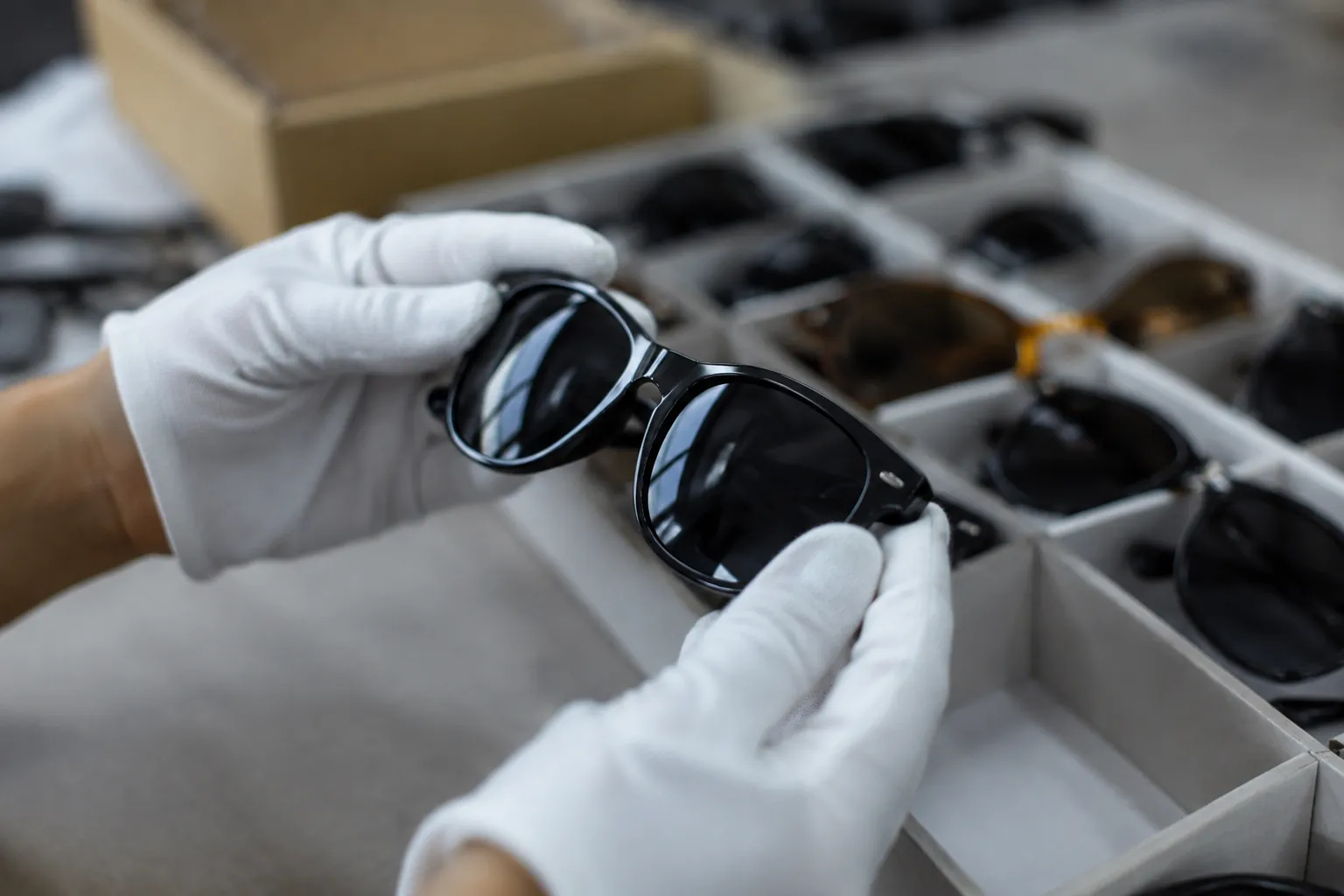
This guide is for subscription box buyers, DTC brand operators, importers, and retail teams planning private label sunglasses drops. The goal is not to find one good-looking frame. The goal is to build a product system that can repeat: styles that fit the box calendar, specs the factory can reproduce, packaging that survives fulfillment, and compliance files that match the actual product and destination market. Control the basics first: MOQ, sample approval, bulk lead time, decoration method, packaging dimensions, inspection criteria, retained samples, and reorder tolerances.
Start With the Drop Calendar
Subscription commerce punishes vague sourcing. A sunglasses drop is tied to a shipment month, theme, customer tier, landed-cost target, fulfillment deadline, and inventory risk. Start with the box calendar before choosing frame shapes.
Set the shipment date first. Then work backward through sample approval, packaging proofing, production, inspection, freight, customs clearance, and fulfillment receiving. The purchase order should leave time to reject or correct a failed sample or failed inspection. If the schedule only works when every step goes right, the plan is too risky.
A practical subscription assortment uses three layers:
- Core style: one commercial shape in a low-risk color such as black, tortoise, smoke, or brown gradient, ordered at the highest volume.
- Seasonal variant: one color, lens tint, pouch, insert card, or sleeve update that supports the month's theme without changing the frame tooling.
- Upgrade version: a polarized, mirrored, acetate, or more heavily branded version for premium boxes or paid add-ons.
Do not approve ten unrelated frames because the mood board looks exciting. That creates fit risk and reorder trouble. Start with a small number of frame families and build colorways around them. Repeatable frames help the supplier control materials, fixtures, packaging, and inspection standards.
Choose Frame Platforms That Refresh Well
The safest seasonal refresh is usually not a new mold. It is a new frame color, lens tint, logo method, pouch color, printed card, or packaging sleeve on a frame that has already passed fit, assembly, and inspection review.
Material choice affects cost, feel, durability, production steps, and inspection focus. PC and TR-style injected frames are common for value programs because they are light and scalable when standard materials are available. Acetate feels heavier and more premium, but it requires cutting, tumbling, polishing, hinge work, and closer cosmetic review. Metal frames can look sharp. They also need tighter checks for plating, solder points, nose pads, temple alignment, and transit deformation.
| Refresh Option | Best Use | Cost Impact | Production Watchpoint |
|---|---|---|---|
| Frame color change | Monthly themes and summer edits | Low to medium | Confirm material availability and approve a physical color chip or sample, not only a screen image |
| Lens tint change | Beach, festival, travel, or snow themes | Low for standard tints; higher for mirror effects | Check lens category, UV protection claim, and left-right color consistency |
| Pad printed temple logo | Fast private label launch with simple artwork | Low setup | Specify logo width, placement, print color, and rub-resistance check |
| Laser engraving | Subtle branding on suitable metal or plastic parts | Low to medium | Approve the actual engraved sample because contrast varies by material and finish |
| Metal logo plate | Premium boxes and gift editions | Medium | Inspect alignment, glue overflow, edge burrs, surface scratches, and pull resistance |
| New mold | Exclusive long-running hero SKU | High | Add time for mold trial, fit checks, hinge tuning, revised samples, and final approval |
For subscription buyers, a controlled platform strategy beats a scattered assortment. Use one frame for value boxes, one premium-feel frame for higher tiers, and one sport or wrap frame only if the campaign needs that function. Keep the silhouette stable. Refresh the visible details.
Design a Low-MOQ Test With Purpose
Low MOQ only helps if the test answers a clear question. Ordering many unrelated styles creates noise. You may learn that customers liked the box theme, influencer campaign, or insert card rather than the sunglasses themselves.
A better test isolates one or two variables.
- Choose one broad-fit shape and record the actual lens width, bridge width, temple length, front width, and temple opening angle from the approved sample.
- Run two colorways: one proven commercial color and one seasonal color.
- Keep the same lens category unless the test is specifically about polarized, mirrored, gradient, or darker lenses.
- Use the same pouch, cloth, insert card, inner packing, and carton method so packaging does not distort damage or satisfaction data.
- Record returns, customer comments, damage reports, unboxing complaints, and repeat purchase behavior against the exact style code and production batch.
Confirm sample and production timing in writing. It depends on material availability, decoration method, packaging, order quantity, factory load, and testing requirements. Add time for artwork confirmation, packaging proofing, inspection booking, freight pickup, customs documents, and fulfillment receiving. A rushed PO often means weak sample review or skipped inspection.
For a first private label run, keep decoration simple. One temple logo by pad print or laser engraving is usually easier to control than metal plates, multi-color temple artwork, custom mirror coatings, or rigid cases. Add complexity only after the frame has proven demand and the supplier has shown consistent production quality.
Write Specs That Make Reorders Match
Subscription brands often reorder quickly after a successful drop. That is when drift appears. Temple angle changes. Lens tint looks darker. Logo placement moves. Pouch fabric feels thinner. Carton packing changes. A proper specification sheet prevents many of these disputes.
The approved sample should become the control sample. Seal it, label it with the style code and approval date, photograph it, and reference it in the PO. Then replace adjectives with measurements. For logo placement, use numbers: define the distance from the temple hinge, state the logo width, and set an alignment tolerance. For frame dimensions, agree the tolerance with the supplier and record it on the spec sheet before bulk production.
- Frame: material, color code or approved chip, finish, front width, lens size, bridge, temple length, hinge type, screw color, and temple opening angle.
- Lens: material, tint, lens category, UV protection requirement, polarization if required, visible light transmission target, and coating requirement.
- Decoration: logo file version, placement distance from hinge, print color, logo size, alignment tolerance, and rub test requirement.
- Packaging: pouch material and weight, cloth size, insert card paper weight, hang tag, barcode label, inner polybag, carton quantity, and carton mark format.
- Compliance: target market standards such as CE EN ISO 12312-1, ANSI Z80.3, AS/NZS 1067, REACH, and FDA registration where applicable.
- QC: inspection level, defect list, retained sample requirement, packed-box check, carton strength expectation, and acceptance criteria.
Pantone references help with color communication, but physical approved samples are stronger. Plastic color can shift with resin batch, wall thickness, polish, and surface finish. Reorders should be compared against the retained sample and written spec, not a photo in a chat thread.
Lock Packaging Before Bulk Production
Subscription packaging has a different job from retail shelf packaging. It must look good in an unboxing photo, protect the sunglasses during parcel handling, fit the box cube, and avoid slowing the fulfillment line. Oversized hard cases can look premium, but they may increase freight volume, storage space, and pick-pack time.
Common sets include a microfiber pouch, cleaning cloth, care card, hang tag, and inner polybag. For higher tiers, a foldable case or molded case can work, but box dimensions must be confirmed early. Even a small increase in case height can force a larger mailer or change how other items sit inside the subscription box.
| Packaging Set | Best Use | Buyer Watchpoint | Spec to Lock |
|---|---|---|---|
| Microfiber pouch plus cloth | Low-cost monthly boxes | Limited crush protection if packed loose | Pouch weight, drawstring quality, cloth size, and stitching |
| Pouch plus printed card | Brand story or care instructions | Card corners can mark lenses | Card size, paper weight, coating, corner shape, and placement method |
| Foldable case | Mid-tier fashion or travel boxes | Folded thickness may affect box layout | Magnet strength, cover material, logo position, and folded height |
| Rigid case | Premium upgrade or gift edition | Higher freight volume and warehouse space | Case dimensions, hinge strength, lining, logo position, and carton count |
Ask for a packed sample, not only a frame sample. Place it in the actual subscription carton with the other items. Check for lens scratches, temple pressure, card rub, barcode visibility, and packing speed. If a candle tin, skincare jar, or book presses against the lenses, the problem is a box-layout problem too.
Treat Compliance as a Purchase Requirement
For sunglasses, compliance depends on destination market, lens category, labeling, and product claim. Do not use loose phrases such as UV safe unless the product is tested and labeled correctly. Discuss compliance before production, not after goods are packed.
For Europe, CE EN ISO 12312-1 covers general-use sunglasses requirements, including optical properties and UV protection. REACH matters for restricted substances in plastics, coatings, inks, and metal parts. For the United States, ANSI Z80.3 is a common performance reference for non-prescription sunglasses, and FDA registration may be relevant for eyewear import handling. For Australia and New Zealand, AS/NZS 1067 is the key standard for sunglasses and fashion spectacles.
Compliance documents must match the exact product being sold. A report for one black lens in one frame does not automatically cover a mirrored lens, polarized lens, gradient lens, children's style, or different frame material. If the insert card or listing says driving, sport, snow, impact resistant, polarized, kids, or UV400, verify that the claim is supported before printing or publishing it.
Buyer rule: approve claims only after the lens, frame, label, test report, and destination market are confirmed. A good sample is not a compliance file.
Plan Cost, Lead Time, and Reorders Together
Landed cost is not just the quoted unit price. It includes samples, mold or decoration setup, packaging, inspection, freight, duties, storage, rejects, payment terms, late delivery risk, and the cost of unsold inventory. A lower unit price can still be the wrong choice if the order quantity is too high for proven demand.
Ask the supplier to quote the same specification at several quantity levels. Where possible, separate frame cost, lens cost, decoration, packaging, tooling, testing support, and freight assumptions. This makes trade-offs visible. A polarized lens, metal logo plate, rigid case, or custom mold should be evaluated as a specific cost and schedule decision, not hidden inside one blended price.
| Order Stage | Typical Quantity | Factory Timing | Best Buyer Use |
|---|---|---|---|
| Sample round | Confirm with supplier | Depends on material, artwork, and decoration | Fit, color, lens, logo, packaging, and compliance review |
| Pilot drop | Low to moderate quantity | Confirm after sample approval and material check | Test customer response without heavy inventory exposure |
| Core reorder | Higher quantity after proven demand | Subject to material availability and factory capacity | Repeat a proven frame and improve cost predictability |
| Large seasonal buy | Planned seasonal quantity | Plan earlier for packaging, inspection, and freight | Improve carton planning and reduce rush risk |
Give the supplier your quarterly drop calendar when possible. A factory can plan materials, lenses, decoration fixtures, packaging, and QC staffing better when it sees repeat demand. The highest-risk PO is urgent, under-specified, and full of custom packaging.
Inspect the Processes That Usually Fail
In-house production can reduce handoff risk, but QC still needs written targets. Sunglasses combine molded or machined parts, lenses, screws, hinges, decoration, labels, and packaging. Each process has failure modes. Put them in the inspection checklist.
- Injection frames: check sink marks, gate trimming, color streaks, hinge tightness, screw fit, and temple symmetry.
- Acetate frames: check polishing, lamination marks, nose bridge comfort, hinge seating, and temple opening angle.
- Lenses: check scratches, optical distortion, UV performance, category labeling, left-right color consistency, and polarization alignment if used.
- Pad printing: check logo position, ink bleeding, color match, rub resistance, and adhesion after handling.
- Metal plates: check alignment, glue overflow, edge burrs, surface scratches, and pull resistance.
- Packaging: check barcode scan, pouch stitching, card spelling, polybag warning text where required, carton marks, and master carton strength.
For subscription orders, add a packed-box simulation. Put the sunglasses in the final pouch or case, then into the actual box layout with other items. Check for lens scratches, temple pressure, card rub, crushed packaging, and barcode access after handling. Many eyewear defects are really packing defects. Ask the supplier to keep retained samples from approved production so reorder disputes can be compared against a physical reference.
Have a custom sunglasses project in mind?
Send us your styles, target market and quantities and we will return a detailed quote with MOQ, lead time and a sample plan.
Get a QuoteWhy source this from Wenzhou with LumiShades
Wenzhou in Zhejiang Province is widely regarded as China’s eyewear manufacturing capital, producing a large share of the world’s sunglasses. That concentration matters to buyers: a deep local supply chain for acetate sheet, hinges, lens blanks, plating and packaging means shorter component lead times, easier color and material matching, and a workforce with decades of eyewear-specific skill. LumiShades has manufactured in this ecosystem since 2009, and our vertical integration — in-house injection molding, acetate cutting, CNC milling, lens tinting, decoration and quality control — means no part of your order is quietly subcontracted to a workshop you cannot audit.
For international buyers, that vertical control translates into accountability. When a single factory owns every step, defects are traced and fixed at source rather than bounced between vendors, and your specifications survive intact from first sample to bulk. For procurement review, buyers can request process records, approved samples, quality checkpoints and project-specific compliance files before placing a bulk order. Required testing and documentation are confirmed against the destination market and product specification rather than assumed from a generic certificate list. Explore our manufacturing capabilities and quality control process to see how this works in practice.
Frequently asked questions
What MOQ should a subscription box buyer use for a first sunglasses test? Use the lowest MOQ only when the test has a clear purpose, such as checking fit, color response, damage rate, or customer feedback on one frame family. Ask the supplier for quantity breaks, then compare unit cost against inventory risk. For a real subscription drop, choose a quantity that supports inspection, spare units, fulfillment needs, and reorder planning rather than chasing the lowest unit price.
Can we change colors every month without making new molds? Yes, if the frame shape stays the same and the update is limited to resin color, lens tint, logo print, pouch, insert card, sleeve, or other packaging elements. Approve physical samples for each new color or lens because screen images are not reliable for production color. Reserve new molds for long-running styles because they add tooling cost, sampling time, fit review, and approval risk.
How early should we place a PO before a subscription shipment date? Work backward from the subscriber ship date. Include sample approval, packaging proofing, compliance review, production, inspection, freight, customs, and fulfillment receiving. Confirm timing in writing with the supplier because lead time changes with materials, decoration, order quantity, factory capacity, and testing needs. Do not place a PO on a schedule that leaves no time to reject a bad sample or correct a failed inspection.
Which compliance standards should we discuss for sunglasses? Discuss CE EN ISO 12312-1 for Europe, ANSI Z80.3 and FDA registration for the United States where applicable, AS/NZS 1067 for Australia and New Zealand, and REACH for restricted substances. Ask whether the report matches the exact frame, lens type, lens color, coating, and intended market. Do not rely on a report for a different lens or older production batch without confirmation.
What is the safest private label logo method for a low-MOQ run? Pad printing or laser engraving is usually the simplest starting point because setup is lighter than metal plates or complex multi-color decoration. Provide vector artwork, logo size, placement distance from the hinge, color reference, and rub-resistance requirement. Approve the decorated physical sample before bulk production, not only a digital mockup.
How do we make sure reorders match the first approved drop? Create a sealed control sample, measured spec sheet, fixed artwork file, locked packaging spec, agreed tolerances, and retained production samples from each batch. Put the style code, approval date, color reference, lens details, decoration method, and carton packing method on the PO. At reorder inspection, compare production against the retained sample and written specification.
Ready to start?
Explore our shield & oversized sunglasses or request a quote — our sales team replies within 12 hours.
Request a Quote