
Polarized vs Non-Polarized Sunglasses by Channel
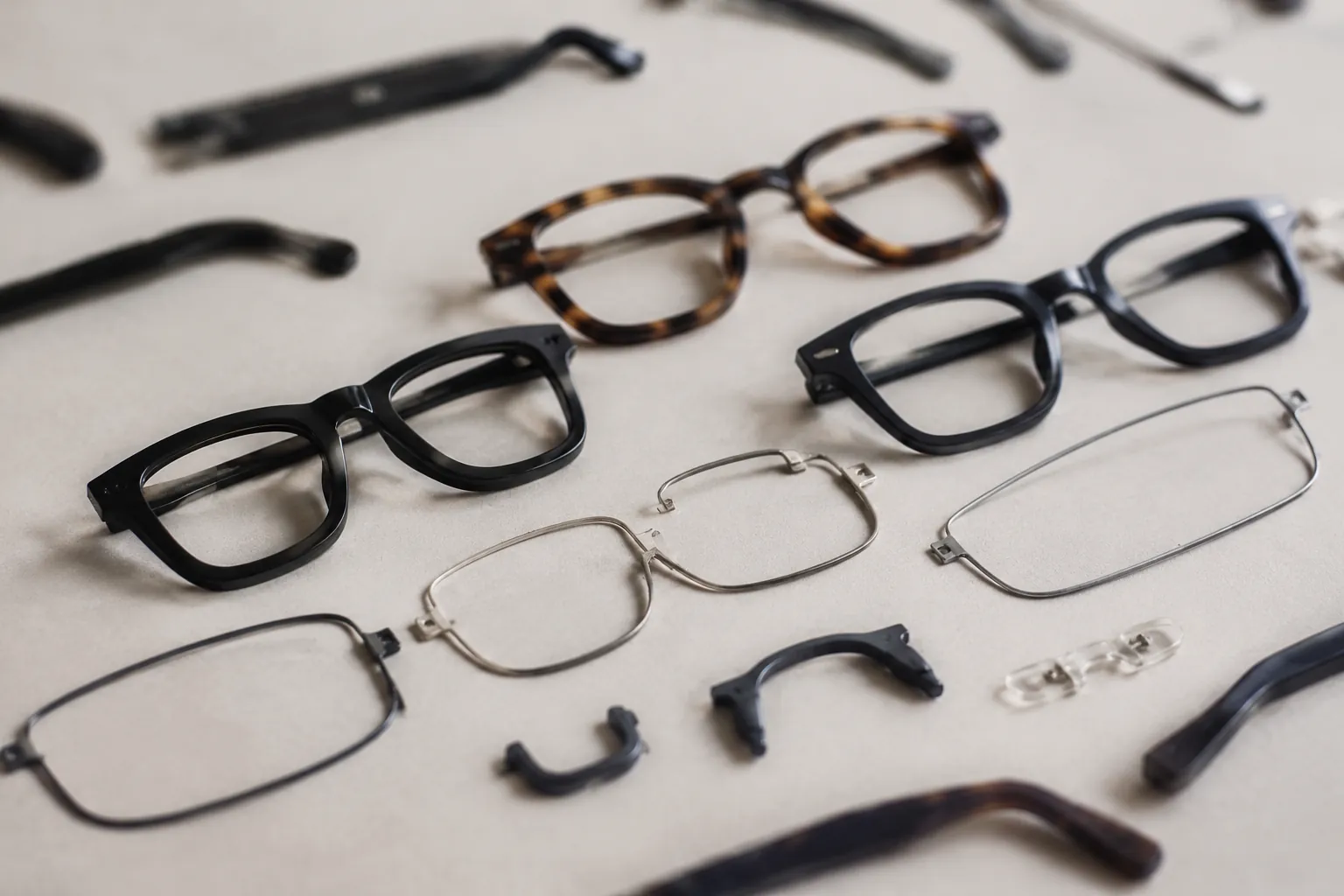
This guide is for brands, importers, distributors, retailers, resort operators, and promotional buyers deciding whether polarized lenses justify the added cost. The aim is simple: fewer wrong specs, cleaner RFQs, faster samples, and less margin lost on lens features customers may not value. Use it to choose polarized or non-polarized sunglasses by channel, price tier, compliance market, MOQ, production process, and factory QC reality.
Start With the Channel, Not the Lens
Polarization is not automatically better. It solves one problem: reflected glare from flat or shiny surfaces such as water, wet roads, snow, glass, and polished vehicle surfaces. For fishing, boating, driving, and premium outdoor styles, polarized lenses can make sense. For low-cost event giveaways, fashion impulse buys, or resort shop styles driven by color and logo, non-polarized UV400 lenses are often the better commercial choice.
The sourcing mistake is common. A buyer adds polarization because it sounds premium, then asks the factory to hit a promotional price. That math rarely works cleanly. A polarized TAC lens includes a polarizing film in the lens stack, which adds material cost, inspection steps, and more risk during edging and fitting. It can also limit some tint, gradient, and mirror combinations compared with standard non-polarized PC or TAC lenses.
The question is not whether polarization is better in theory. The question is whether the sales channel can recover the added cost through higher perceived value, lower return risk, or a clearer product story.
Channel Decision Matrix for Buyers
Choose the lens from the channel first. Then match the frame material, decoration, packaging, and compliance plan. A fishing brand and a beer festival may both ask for black wayfarer-style frames. They do not need the same lens or the same cost structure.
| Channel | Recommended Lens | Typical MOQ Logic | Buyer Watchout |
|---|---|---|---|
| Fishing and boating | Polarized TAC or polarized nylon, usually gray, brown, or green | Start with a pilot run before scaling to the main order | Check film alignment, water-glare performance, and stress marks after edging |
| Driving retail | Polarized gray, brown, or green, usually in a compliant general-use tint range | Use a stable repeat order once the lens and packaging are approved | Warn users that LCD dashboards, fuel pumps, and phones may appear dark or patchy |
| Resort and beach shops | Mixed range: polarized hero SKUs plus non-polarized color SKUs | Test color and style response before committing to broader production | Do not overbuild every colorway; stock turns matter more than lens claims |
| Fashion retail | Non-polarized UV400 or selected polarized styles | Start with a small test run before full-size reorders | Shape, tint, mirror color, and finish may matter more to buyers than polarization |
| Promotional giveaways | Non-polarized UV400 PC lens | Best economics usually come from simple specs and repeatable decoration | Never sacrifice UV compliance to chase a cheaper quote |
Blunt rule: if the end user understands why glare reduction matters, polarized is easier to sell. If the buyer mainly wants a logo, a color match, and a low unit price, non-polarized is usually cleaner.
What Polarization Changes in Production
Polarized sunglasses are not just non-polarized sunglasses with a different label. The lens construction changes. So does inspection. A common polarized TAC lens uses a layered structure with polarizing film between lens layers, plus hard coat, UV protection, and sometimes mirror or color coating. If the film axis is not controlled, glare blocking becomes inconsistent between the left and right lenses. If the lens is overheated or twisted during edging and fitting, the film can show stress, rainbow marks, or local distortion.
A custom polarized sunglasses order should define the frame drawing, lens base curve, bevel, hinge structure, lens material, tint, visible light transmission range, and polarization direction before production begins. Lenses are then cut or edged to match the frame groove. During fitting, operators should not force the lens into an undersized rim. Twisting a polarized lens can create visible stress marks.
Non-polarized lenses are simpler. There is no film axis to control. Tint options are broader. Scrap risk is usually lower. Color matching across large promotional orders is often easier. That matters when an order has multiple frame colors, several print positions, and simple bulk packaging.
Polarized lenses should be checked with a polarization tester, not only by eye under factory lights. A practical QC station should rotate sample lenses against an LCD screen, check left/right consistency, confirm UV400 performance with a UV meter, and inspect lens surfaces under controlled light. This does not replace third-party lab testing for CE, ANSI, or AS/NZS claims. It does catch obvious film direction and handling errors before packing.
Spec Sheet Items That Prevent Rework
A vague RFQ such as "polarized sunglasses with logo, good quality" creates rework. Serious buyers specify the lens with the same care they use for frame material, artwork, packaging, and carton marks. The factory can then quote properly, sample faster, and avoid changing the lens after mold, color, or logo approval.
- Lens type: polarized TAC, polarized nylon, non-polarized PC, non-polarized TAC, or another agreed material.
- UV requirement: UV400 plus the destination-market standard, such as CE EN ISO 12312-1, ANSI Z80.3, AS/NZS 1067, or U.S. FDA registration context.
- Visible light transmission: confirm the intended lens category and make sure the tint suits the target use.
- Tint and color tolerance: specify gray, brown, green, smoke, fashion color, mirror color, and approval method using physical samples rather than screen images only.
- Coating: hard coat, mirror, gradient, anti-scratch expectation, and whether coating is on the front, back, or both sides.
- Frame and fit: material, base curve, lens groove, hinge type, temple length, bridge fit, pantoscopic angle, and acceptable frame alignment tolerance.
- Branding: pad printing, laser engraving, metal logo plate, injected logo, temple print, lens mark, pouch print, or retail box artwork.
Set realistic tolerances. For commercial sunglasses, control UV performance, lens color consistency, frame symmetry, hinge tension, lens seating, and logo placement. Do not demand prescription-level optical tolerances unless the product and price support them. For logo placement, approve against the signed sample and define the acceptable deviation in writing before bulk production. If you need formal CE EN ISO 12312-1, ANSI Z80.3, or AS/NZS 1067 claims, tell the supplier before sampling. Not after cartons are packed.
Cost, MOQ, and Material Logic
Polarized lenses usually cost more because the lens stack is more complex and rejection points increase. But the lens is only one cost driver. Frame choice, hinge type, decoration, packaging, and inspection level can move the quote as much as the polarization upgrade. Sometimes more. A simple injection frame with a polarized TAC lens may still cost less than an acetate frame with non-polarized gradient lenses, metal hinges, custom temple cores, and a rigid retail box.
For MOQ planning, start with the commercial purpose of the order. Small pilot runs work for market tests, influencer capsules, resort pilots, and retail color checks. Larger repeat orders make more sense after lens type, decoration, packaging, and compliance are approved. As volume rises, setup labor, decoration fixtures, lens procurement, QC records, and carton handling spread across more units.
Use this hierarchy when building a target cost:
- Lowest cost: injection frame, non-polarized UV400 PC lens, one-color temple print, bulk polybag.
- Mid cost: TR90 or upgraded injection frame, polarized TAC lens, pad print or laser logo, microfiber pouch.
- Higher cost: acetate frame, CNC milling, polarized nylon or specialty lens, metal logo plate, custom box.
- Risk cost: late lens changes, unclear tint approval, mixed compliance claims, too many SKUs under one small order, or unapproved packaging marks.
The cheapest quote is not always the cheapest shipment. Poorly specified polarization can cause resampling, delays, failed inspections, and air freight pressure.
Lead Time and Sampling Discipline
Sampling and production timing depend on the factory, lens type, decoration method, packaging, and testing requirements. Polarized lenses do not always add lead time. They can, though, when the buyer requests a specific tint, mirror color, lens base curve, imported lens blank, or third-party test package. Custom packaging, barcode labels, and retail displays can also drive the schedule.
The fastest route is to approve a standard polarized lens color early. Gray polarized and brown polarized are safer starting points than unusual fashion tints. If the buyer wants blue mirror over gray polarized, red mirror over brown polarized, or gradient polarized lenses, ask for a physical sample and check it outdoors. Indoor light can hide lens color shift, mirror unevenness, and stress marks.
A strong sample approval process is simple but strict. Check frame fit on the face, not only in photos. View the lens in sunlight, shade, and through a phone or car dashboard screen. Rub the logo by hand to catch weak adhesion before bulk production. Confirm hinge tension, temple alignment, lens seating, nose bridge comfort, pouch size, barcode, carton mark, and country-specific labeling before approval. If the launch date is fixed, freeze the lens specification first. Decoration and packaging details can often be adjusted faster than lens construction.
Compliance and Labeling Without Overclaiming
Compliance language matters. Sunglasses cross borders and sit directly in front of consumers. Buyers should only use certifications and declarations that the finished product, test reports, and destination market support. Key references include CE EN ISO 12312-1, ANSI Z80.3, AS/NZS 1067, REACH, FDA registration, ISO 9001, and BSCI.
CE EN ISO 12312-1 is relevant for general-use sunglasses in the EU. ANSI Z80.3 is used for nonprescription sunglasses and fashion eyewear in the U.S. AS/NZS 1067 applies to Australia and New Zealand. REACH relates to chemical restrictions in materials and surface treatments. FDA registration is relevant in the U.S. eyewear context, but registration is not the same as a finished-product test report. ISO 9001 and BSCI speak to management systems and social compliance, not lens performance.
For polarized sunglasses, the product label should still state UV protection, lens category where required, and destination-market warnings. For driving programs, avoid lenses that are too dark for the intended use. For children's sunglasses, be careful with lens category, impact expectations, coating durability, small parts, hangtags, and packaging components.
Buyer rule: decide the destination market before artwork approval. Late compliance markings can force packaging reprint, carton relabeling, or shipment delay.
Buying Playbook by Program Type
For a fishing or boating brand, specify polarized lenses as the default. Choose gray for bright open water, brown for contrast, and green for a classic outdoor look. Spend money on lens consistency, hinge stability, coating quality, and nose fit before adding an expensive box.
For a driving-focused retail line, polarized gray or brown lenses make sense. Add a consumer note about screen visibility. Some dashboards, fuel pumps, phones, and navigation screens may look dark or distorted through polarized lenses. This is normal material behavior, not automatically a defect.
For resort shops, split the range. Use polarized lenses for higher-ticket hero SKUs. Use non-polarized UV400 lenses for bright color frames, kids' styles where allowed by the compliance plan, and logo-heavy tourist items. Resorts sell mood and convenience. Not every pair needs a premium lens.
For promotional sunglasses, stay disciplined. Non-polarized UV400 lenses, injection frames, and clean pad printing usually beat a weak polarized lens added only for a sales sheet. If the event is on a beach, marina, or golf course, consider one polarized VIP tier and one standard giveaway tier.
For fashion retail, test before scaling. Order a small sample run for color and sell-through checks. Move to broader production after color, lens, decoration, and packaging are proven. At higher volumes, lock the bill of materials tightly. Small changes become real money.
Have a custom sunglasses project in mind?
Send us your styles, target market and quantities and we will return a detailed quote with MOQ, lead time and a sample plan.
Get a QuoteWhy source this from Wenzhou with LumiShades
Wenzhou in Zhejiang Province is widely regarded as China’s eyewear manufacturing capital, producing a large share of the world’s sunglasses. That concentration matters to buyers: a deep local supply chain for acetate sheet, hinges, lens blanks, plating and packaging means shorter component lead times, easier color and material matching, and a workforce with decades of eyewear-specific skill. LumiShades has manufactured in this ecosystem since 2009, and our vertical integration — in-house injection molding, acetate cutting, CNC milling, lens tinting, decoration and quality control — means no part of your order is quietly subcontracted to a workshop you cannot audit.
For international buyers, that vertical control translates into accountability. When a single factory owns every step, defects are traced and fixed at source rather than bounced between vendors, and your specifications survive intact from first sample to bulk. For procurement review, buyers can request process records, approved samples, quality checkpoints and project-specific compliance files before placing a bulk order. Required testing and documentation are confirmed against the destination market and product specification rather than assumed from a generic certificate list. Explore our manufacturing capabilities and quality control process to see how this works in practice.
Frequently asked questions
Are polarized sunglasses always better for retail buyers? No. Polarized lenses are better where glare reduction is a real selling point, such as fishing, boating, driving, and premium outdoor retail. For fashion, resort color stories, or promo programs, non-polarized UV400 lenses may protect margin better. The right choice depends on the channel, price point, and whether the buyer can explain the feature to end users.
What should I put in an RFQ for polarized sunglasses? State the lens material, polarization requirement, tint, UV400 requirement, target standard such as CE EN ISO 12312-1, ANSI Z80.3, or AS/NZS 1067, coating, frame material, logo method, packaging, MOQ target, inspection level, and delivery date. Add a physical reference sample if lens color or mirror effect matters to approval.
Can polarized lenses have mirror coating? Yes, but the supplier should confirm the lens stack and coating order during sampling. Mirror over polarized lenses can shift appearance based on the base tint, film quality, viewing angle, and coating process. Always approve a physical sample in outdoor light before production.
Will polarized sunglasses pass the same compliance tests as non-polarized sunglasses? They can, but do not assume it. Compliance depends on the finished product, not only on whether the lens is polarized. Tell the supplier the destination market early so the style can be built and tested against the correct framework, such as CE EN ISO 12312-1, ANSI Z80.3, AS/NZS 1067, REACH, or the U.S. FDA context as applicable.
What lead time should I plan for custom polarized sunglasses? Plan for sampling, approval, and bulk production as separate stages. Each stage can change with lens type, decoration, packaging, and testing. Standard polarized colors are usually easier to move through sampling than custom tints, mirror combinations, or imported lens blanks. Ask the supplier to confirm timing in writing after the final specification is locked.
What MOQ makes sense for testing a polarized style? Use the smallest practical pilot quantity the supplier can support for your channel, then scale only after sell-through, fit, and QC are confirmed. A useful test should be large enough to evaluate color, lens behavior, packaging, and branding under normal handling. Once the style is approved, place the repeat order at a size that makes production and packaging efficient.
Ready to start?
Explore our aviator sunglasses or request a quote — our sales team replies within 12 hours.
Request a Quote