
OEM Sunglasses Agreement: Confirm Before Sampling
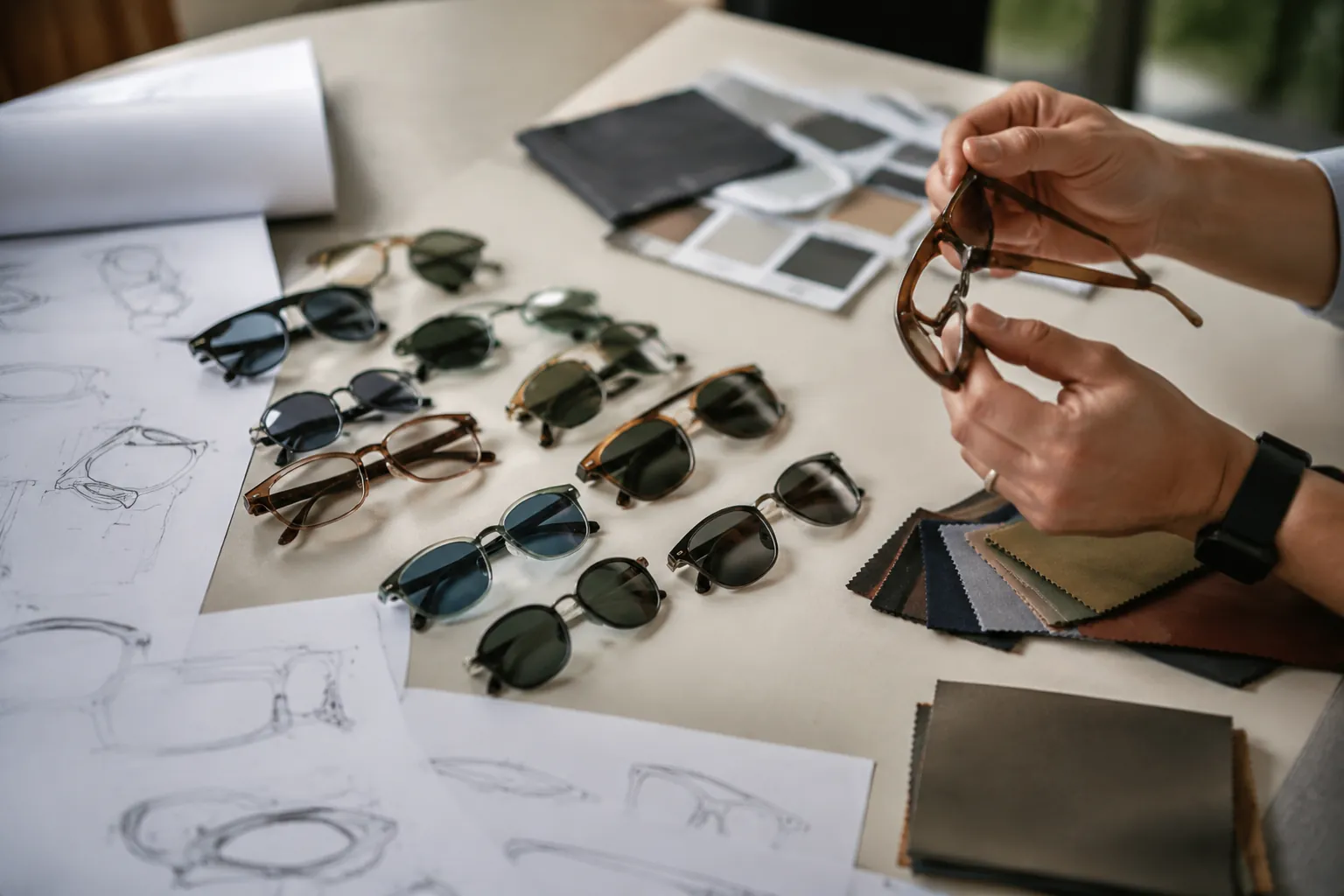
This guide is for brands, importers, distributors, and retail buyers preparing an OEM sunglasses project. Use it before paying for drawings, tooling, logo fixtures, lens development, packaging artwork, or first samples. The goal is simple: fewer sample revisions, clearer ownership, controlled costs, and bulk production that matches the approved sample.
1. Set the Commercial Frame First
Many OEM sunglasses projects start with a reference photo and one question: "How much per pair?" Too early. A factory cannot quote accurately until the buyer defines order quantity, frame material, lens type, logo method, packaging, compliance market, and delivery term.
Two sunglasses can look almost identical in a photo and cost very different amounts. Lens category, hinge type, decoration, testing, and packaging all change the price.
Start with the commercial structure. Confirm whether MOQ applies per frame model, per color, per lens color, or per packaging version. If a supplier offers a low MOQ, ask what that MOQ includes. Stock colors? Standard lenses? Simple logo application? Or full custom development? A low first-order MOQ can help with market testing. It does not always reflect reorder economics.
Before sampling, put these items in writing:
- MOQ definition: state whether MOQ applies per frame model, frame color, lens color, logo version, or packaging version.
- Price ladder: request pricing at the launch quantity and likely reorder quantities so margins are clear before sample approval.
- Incoterm: confirm EXW, FOB, CIF, DAP, or DDP, and name the port or destination where relevant. Unit prices are not comparable without this line.
- Payment terms: define sample fee, tooling fee, deposit percentage, balance timing, bank charges, and responsibility for correction if the factory misses the approved specification.
- Quotation validity: record how long pricing is valid and what may trigger a revision, such as resin, acetate sheet, lenses, metal parts, cartons, exchange rate, or freight.
Do this before debating hinge color, temple logo size, or mirror coating tone. The business case comes first.
2. Freeze the Specification, Not Just the Look
A photo is not a product specification. The same visible silhouette can be made in PC, TR90, acetate, recycled-content resin, metal, or a mixed construction. It can use TAC, PC, nylon, or polarized lenses. It can be built for a basic promotional program or for stricter retail requirements.
Those choices affect cost, tooling, performance, testing, and inspection. Spell them out.
Ask the factory to return a written specification sheet with proposed values and tolerances. Do not accept a general "confirmed." If the supplier claims a material, lens category, UV performance, or compliance standard, ask for documents that match the product type and target market.
| Spec item | Common options | Process impact | Typical control point |
|---|---|---|---|
| Frame material | PC, TR90, acetate, recycled-content resin, metal combination | Changes mold design, flexibility, polish, weight, heat behavior, and scrap risk | Color match, warpage, surface finish, bridge fit, material declaration |
| Lens material | TAC, PC, nylon, polarized TAC | Affects tinting, impact behavior, optical clarity, polarization, and cost | UV400 claim, visible light transmittance, scratch check, polarization axis |
| Lens category | Category 0, 1, 2, 3, or 4 | Determines permitted use, warnings, and labeling in many markets | Visible light transmittance, driving restrictions, market labeling |
| Hinge type | Standard metal, spring hinge, integrated plastic hinge | Changes assembly time, durability, repair risk, and user feel | Opening angle, screw torque, temple alignment, cycle check |
| Logo method | Laser engraving, pad printing, hot stamping, metal plate | Creates different setup costs, MOQ pressure, and wear behavior | Position tolerance, adhesion, abrasion resistance, color match |
For fit dimensions, include lens width, bridge, temple length, frame front width, lens height, base curve or wrap where relevant, and pantoscopic angle if it affects fit. Agree tolerances by feature and production method. Do not assume them.
For many plastic-frame programs, practical tolerances may sit in the sub-millimeter range, but the final value must match the tool, material, and inspection method. Logo placement tolerance also needs a number, especially for small temple marks or metal plaques.
3. Check Material and Lens Behavior Early
Material choice is not just a cost decision. It affects comfort, heat stability, color consistency, finishing, durability, and the defects most likely to appear in bulk production.
Approve materials and lenses based on the selling market, use case, and inspection standard. Not just on how the first sample looks.
PC injection frames are common for promotional and fashion programs. They support fast production and bright colors. But molded parts may show gate marks, parting lines, sink marks, or stress whitening if tooling and assembly are weak.
TR90 is often chosen for lightweight and flexible frames, including sport-inspired styles. Color consistency and molding stability still need confirmation.
Acetate can provide depth, polish, and a premium hand feel. It usually requires sheet procurement, cutting, tumbling, polishing, hinge setting, and manual adjustment. Special acetate colors may take longer than standard materials.
Lens choice needs the same discipline. TAC lenses are widely used for fashion and polarized sunglasses. PC lenses are common where lightweight construction or higher impact resistance is required. Nylon lenses are often used in performance eyewear, but cost and supply conditions should be checked. Mirror coatings, gradient tints, and polarized films add variables. Review them under indoor lighting and daylight.
Confirm these points before sample approval: frame material and grade, color reference, lens material, lens category, UV requirement, polarization requirement, coating type, hinge material, screw color, logo method, pouch or case material, retail label layout, and warning text.
If the bulk order must target a Pantone color, define whether Pantone is a reference target or a strict acceptance criterion. Molded plastic, coated lenses, and acetate sheet may not visually match paper chips under every light source.
4. Define Tooling, Fixtures, and Ownership
Tooling disputes often start with loose language. "Custom mold" can mean many things: a full injection mold, a modified existing mold, a lens cutting fixture, a CNC acetate program, a metal trim die, a logo plate, or a packaging die line.
These are not the same. They have different costs, ownership rules, and transfer limits.
Before paying any tooling or development charge, define the exact scope. For injection sunglasses, tooling may include a frame front mold, left and right temple molds, nose pad details, lens seating geometry, and trimming or assembly fixtures. For acetate sunglasses, development may focus on CAD shape, CNC cutting programs, lamination behavior, polishing process, hinge placement, and hand-adjustment standards instead of a traditional injection mold.
The agreement should state:
- Tooling scope: identify the frame front, temples, lens fixture, logo plate, metal trim die, packaging die line, CNC program, or other paid item.
- Ownership: state whether the buyer owns the tool, the factory owns it, the buyer receives exclusive-use rights, or the fee is only a development charge.
- Exclusivity: if the shape is exclusive, define model number, territory, channel, time period, and any minimum annual purchase commitment.
- Storage and maintenance: record who stores the tool, how long it is retained, how wear is handled, and who pays for repair or replacement.
- Transfer rights: state whether the tool, fixture, or program can be moved to another supplier and whether technical limits apply.
- Modification control: require written buyer approval before changing cavity, lens seating, hinge position, logo fixture, or approved geometry.
- Credit-back terms: if any tooling fee is refundable or credited against orders, state the exact quantity, amount, deadline, and conditions.
Treat any change affecting shape, fit, lens seating, hinge construction, or tooling geometry as development. Changes limited to color, lens tint, logo placement, or packaging artwork may be customization, unless new fixtures or new qualification work are required.
5. Set Sample Stages and Approval Rules
Sample timing depends on the actual development scope. A stock-frame logo sample using available materials may move quickly. A new injection mold, special acetate sheet, custom mirror coating, new metal trim, or full retail packaging set will not.
Ask the factory to quote sample timing by stage. Also ask which assumptions could change the schedule.
A clean OEM sample process usually has four stages. First is digital confirmation: CAD drawing or product drawing, color reference, logo artwork, lens tint reference, and packaging layout. Second is the first physical sample, used to evaluate shape, fit, structure, logo position, and overall appearance. Third is the pre-production sample, made with intended bulk material, hinge, lens tint, logo method, and packing. Fourth is the golden sample, the signed reference used by QC during mass production.
State how many sample rounds are included. For example, one first sample and one revised sample may be included in the development quote. Buyer-side design changes after approval may be charged separately.
Responsibility should be clear. If the factory makes a sample that does not match the confirmed specification, correction should be at factory cost. If the buyer changes from non-polarized TAC to polarized mirror lenses, changes logo size, changes frame color, or switches packaging structure, that is a buyer revision. Cost and timing should reset.
Approval criteria must be measurable. Examples include agreed logo position tolerance, agreed frame dimensions and tolerances, no sharp burrs at the lens rim, no visible glue where glue is not part of the design, no lens rattling, even temple opening, properly seated screws, stable frame balance where intended, and packaging that matches approved artwork.
"Looks good" is not a production standard.
6. Match Compliance to the Selling Market
Compliance is not decoration for a label. It affects lens selection, visible light transmittance, UV claims, warnings, markings, packaging text, documentation, and sometimes the factory control plan.
Confirm the destination market before approving the golden sample. Not after bulk goods are packed.
Common sunglasses requirements may include CE EN ISO 12312-1 for the European market, ANSI Z80.3 for the United States, AS/NZS 1067 for Australia and New Zealand, and REACH for restricted substances in the EU. FDA registration may be relevant for the US supply chain, but it should not be presented as FDA product approval. ISO 9001 and BSCI relate to management systems and social compliance audits. They do not replace product testing for a specific sunglasses model.
| Market or requirement | Common standard or document | What to confirm before production |
|---|---|---|
| European Union | CE EN ISO 12312-1, REACH | Lens category, UV protection, warnings, restricted substances, declaration support |
| United States | FDA registration, ANSI Z80.3 | Importer records, lens performance documentation, labeling, applicable impact approach |
| Australia/New Zealand | AS/NZS 1067 | Category marking, transmittance, retail packaging information, driving restrictions |
| Retailer audit programs | ISO 9001, BSCI | Factory system documents, social compliance records, inspection traceability |
Use case matters. Driving, snow, children's, sport, fashion, and promotional sunglasses may require different warnings and controls. A darker lens is not automatically better. Category 4 lenses are generally not suitable for driving.
Polarized lenses need orientation control during assembly. If the polarization axis is wrong, the product can fail in use even when the lens color looks right.
7. Protect IP, Artwork, and Confidentiality
OEM sunglasses often combine buyer-owned branding with factory-owned manufacturing know-how. Separate those rights in writing.
Confirm that the buyer owns its trademarks, logos, packaging artwork, supplied CAD files, and original design drawings created under a paid development agreement. Confirm that the factory may not sell buyer-branded goods, overrun units, rejected goods, or samples to third parties.
Keep this clause direct. Make it enforceable.
For factory-developed base models, clarify whether the shape is exclusive. Many importers choose an existing frame and customize color, lens, logo, and packaging. In that case, the buyer usually cannot stop the factory from selling the base shape to others unless exclusivity is negotiated and paid for.
If exclusivity matters, define the exact model numbers, territory, sales channel, start date, end date, and minimum annual quantity.
Artwork control also matters. Send vector logo files, Pantone or physical color references, and placement drawings. State whether logo plates, pad printing screens, laser engraving programs, embossing tools, and packaging die lines are used only for your orders.
For sensitive launches, restrict sample photos, trade-show display, catalog use, and social media posting in writing. A chat message is not enough.
8. Align Bulk QC and Reorder Terms
After golden sample approval, the production agreement should explain how bulk goods will be controlled. Lead time should be quoted only after approvals, deposit, material readiness, tooling status, testing needs, and packaging confirmation are clear.
Complex programs take longer. New tooling, multiple lens colors, special acetate, retail packaging, and third-party testing all add risk to the calendar.
Ask for a production control plan covering incoming material inspection, in-process checks, final inspection, and packing inspection. Useful QC points include frame dimensions, lens transmittance category, UV documentation match, hinge function, screw torque, temple alignment, lens seating, logo durability, surface scratches, color consistency, barcode accuracy, carton label accuracy, and packing quantity.
Reorder terms are often missed during the first order negotiation. Lock them before launch:
- Reorder MOQ: confirm whether it matches the first order or changes for special lens tint, custom acetate, exclusive parts, or packaging versions.
- Price protection: define how long each price tier remains valid and what raw material, labor, currency, or freight changes may reopen pricing.
- Tooling life: note expected maintenance intervals, storage responsibility, and who pays for normal wear repair.
- Color continuity: require the same material supplier, tint formula, and approved reference unless a change is documented and approved.
- Golden sample validity: define whether it applies for a fixed period, a fixed number of orders, or until a written engineering change.
- Delivery windows: specify shipment date, acceptable delay reasons, notice requirements, and remedies for avoidable delay.
Do not approve a sample made with temporary material if bulk goods must match a different final material. Production can only be judged against the approved reference, written specification, and agreed tolerances.
Have a custom sunglasses project in mind?
Send us your styles, target market and quantities and we will return a detailed quote with MOQ, lead time and a sample plan.
Get a QuoteWhy source this from Wenzhou with LumiShades
Wenzhou in Zhejiang Province is widely regarded as China’s eyewear manufacturing capital, producing a large share of the world’s sunglasses. That concentration matters to buyers: a deep local supply chain for acetate sheet, hinges, lens blanks, plating and packaging means shorter component lead times, easier color and material matching, and a workforce with decades of eyewear-specific skill. LumiShades has manufactured in this ecosystem since 2009, and our vertical integration — in-house injection molding, acetate cutting, CNC milling, lens tinting, decoration and quality control — means no part of your order is quietly subcontracted to a workshop you cannot audit.
For international buyers, that vertical control translates into accountability. When a single factory owns every step, defects are traced and fixed at source rather than bounced between vendors, and your specifications survive intact from first sample to bulk. We back this with 15+ years of experience, shipments to 60+ countries, more than 5 million pairs produced per year and a 98.5% on-time delivery rate. Our certifications — CE EN ISO 12312-1, FDA registration, ANSI Z80.3, AS/NZS 1067, REACH, ISO 9001 and BSCI audit — mean the compliance documentation your market requires already exists. Explore our manufacturing capabilities and quality control process to see how this works in practice.
Frequently asked questions
Should I sign an OEM development agreement before the first sample? Yes, if the project involves a custom frame shape, paid tooling, exclusive artwork, logo plates, new lens development, custom packaging, or market exclusivity. For a simple stock-frame logo sample, a shorter written confirmation may be enough. It should still record MOQ, price, sample cost, logo method, lens type, compliance market, artwork ownership, and who pays if the sample does not match the confirmed specification.
What is a realistic sample timeline for custom sunglasses? Ask the supplier to quote timing by sample stage. Do not rely on a general promise. A stock-frame sample using available materials is usually faster than a project requiring new injection tooling, special acetate sheet, custom mirror coating, new trim, or retail packaging. The written timeline should state what files, deposits, material approvals, and artwork approvals are needed before the sample clock starts.
Can I start with a small order and later reorder at a lower price? Often yes, but only if the price ladder is agreed before sampling. Ask for pricing at the launch quantity and at realistic reorder quantities. Confirm whether the lower price depends on unchanged specs, same lens color, same packaging, available materials, or a minimum reorder quantity. Also confirm how long each price remains valid.
Who owns the sunglasses mold after I pay a tooling fee? Only the written agreement decides that. State whether the buyer owns the tool, has exclusive use of the tool, or has only paid a development charge while the factory retains ownership. Also define storage, maintenance, modification approval, transfer rights, credit-back terms, and what happens if there are no reorders for a defined period.
Which compliance documents should I request for the EU, US, and Australia? For the EU, request support for CE EN ISO 12312-1 and REACH where applicable. For the US, confirm FDA registration where relevant to the supply chain and request ANSI Z80.3 documentation if it is part of your product requirement. For Australia and New Zealand, request AS/NZS 1067 documentation. Match every document to the exact product, lens material, lens category, tint, and selling market. Do not accept unrelated certificates for a different model.
What should count as the final approved sample? Use a golden sample made with the intended bulk frame material, lens material, lens tint, lens category, hinge, screws, logo method, packaging, labeling, and warning text. Record approval with signed photos, a final specification sheet, key measurements, agreed tolerances, compliance requirements, packaging artwork version, and any approved deviations. Bulk inspection should compare production against that package, not against informal comments or earlier trial samples.
Ready to start?
Explore our sport wrap sunglasses or request a quote — our sales team replies within 12 hours.
Request a Quote