
ODM Sunglasses Buying Without Generic Styles
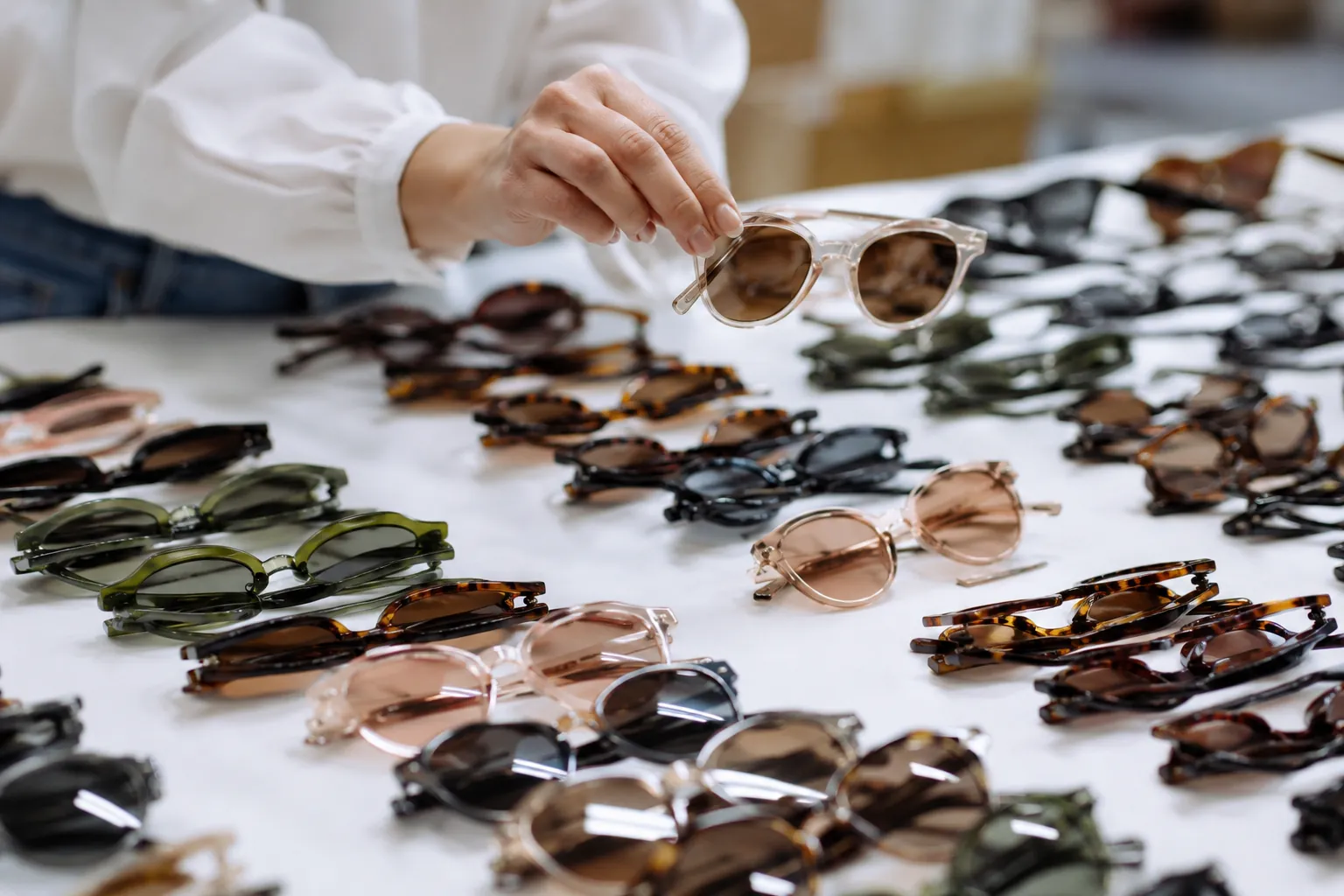
This guide is for brands, importers, distributors, and retail buyers building a private-label sunglasses line without paying for new tooling on every frame. ODM catalog buying can cut development cost and shorten sampling because the base shape already exists. But the catalog is only a starting point. The buyer still has to control the details that make the product ownable: material, frame color, lens category, tint, finish, logo method, packaging, labeling, tolerances, and inspection criteria. Do not choose a catalog photo and add a logo. Use proven production styles as the technical base, then specify the collection so it looks deliberate, compliant, and repeatable.
Start With the Mold, Not the Catalog Photo
Catalog photos help you screen shapes. They do not show the real buying decision: the mold, tooling set, or production program behind the frame. For injection sunglasses, a ready mold means the front geometry, bridge, hinge seat, lens groove, temple curve, and screw position have already been tooled and used. That is where the saving comes from.
Material still matters. PC, TR90, and nylon-based materials do not shrink, flex, or hold screws in the same way. A material change can affect lens seating, temple opening, front width, and hinge feel. Do not assume one mold behaves the same with every resin.
Acetate is different. A "ready style" is usually not a steel injection mold. It is more often a cutting program, fixture set, milling path, and assembly process. Different method. Same benefit. The base shape does not start from zero.
Ask the factory to identify each selected frame by mold code, model code, or internal production reference, not only by a catalog name or image. If you are building a 12-SKU line, confirm whether those SKUs come from stable production references or mixed sample history. Stable references are easier to quote, reproduce, inspect, and compare against golden samples.
Buyer rule: do not approve an ODM style from a rendering or catalog photo only. Request physical samples or recent production samples. Check fit, hinge feel, lens seating, and finish. Make sure the model code or mold reference appears on the quotation, proforma invoice, specification sheet, and final purchase order.
The ODM Decision Framework: Where to Customize
The common mistake is treating ODM as logo placement. That produces generic stock. The better approach is simple: keep the expensive geometry fixed and customize the visible commercial details. Frame color. Lens tint. Lens category. Finish. Temple treatment. Logo placement. Packaging. Assortment logic.
Before costing an ODM order, separate what is fixed from what can change. Existing frame geometry may limit lens shape, bridge width, hinge type, temple profile, and nose fit. Customization is usually more flexible in color, finish, lens treatment, branding, and packaging. Confirm the limits before you show the line to a sales team or retail buyer.
| Customization area | Typical options | Process notes | Generic-risk reduction |
|---|---|---|---|
| Frame color | Solid black, transparent smoke, tortoise effect, matte finish, gloss finish | Injection colors may require resin matching and a physical color standard; acetate depends on available or custom sheet material | High |
| Lens tint | Gray, brown, green, gradient, mirror, light fashion tint | Confirm visible light transmission, filter category, UV requirement, and target-market labeling; do not approve by color name only | High |
| Logo method | Pad print, laser engraving, hot stamp, metal logo plate | Pad print is economical for many programs; metal plates may require separate tooling, sourcing, or minimum quantities | Medium to high |
| Temple detail | Contrast tip, printed pattern, small plate, texture, color blocking | Works best when repeated consistently across the line instead of redesigned for every SKU | High |
| Packaging | Polybag, pouch, microfiber cloth, EVA case, paper box, barcode label, warning insert | Retail packaging can affect cost, carton volume, labeling approval, and lead time | Medium |
Spend customization budget where customers see it first. A controlled lens color, finish, and temple treatment usually change perceived value more than a tiny inside-arm logo. For small test orders, avoid packaging systems that cost more to set up than the product differentiation they create.
Build a Collection, Not a Pile of Frames
A strong ODM range is edited. Do not buy unrelated frames because the catalog is large. Build the line by consumer use, face fit, price tier, and merchandising role. Think range architecture, not isolated styles.
- Choose 3 to 5 core shapes: square, round, aviator-inspired, cat-eye, sport wrap, or kids. Avoid too many near-duplicates.
- Define fit targets: record lens width, bridge, temple length, and total front width. A 145 mm front and a 138 mm front serve different face sizes.
- Assign lens use: use category 3 for general strong-sun use where appropriate, lighter lenses only for suitable fashion use, and polarized lenses only where the retail price and customer need support them.
- Create color rules: black or gray for volume, tortoise or brown for classic retail, transparent smoke or green for a younger fashion SKU.
- Control branding: use one logo size system and one placement logic across all temples instead of random placement on each frame.
Sampling is faster only after the specification is clear. Ready molds remove new-tool development, but timing still depends on material availability, lens choice, logo method, color matching, packaging artwork, and approval workload. A custom metal trim, new acetate sheet, difficult translucent color, special mirror coating, or new retail packaging dieline can add time. Plan for that.
Specify Material Behavior, Not Just Appearance
Two ODM frames can look alike in photos and feel completely different in hand. Material affects weight, flexibility, polish, screw retention, heat resistance, hinge performance, and long-term stability. The purchase order should never say only "plastic frame." State the actual material, finish, and critical performance expectations.
PC is economical and rigid. It is often used for entry-price injection sunglasses. It can give sharp shape and cost control, but it does not have the same hand feel or color depth as acetate.
TR90 is lighter and more flexible. It works well for sport, active, and youth frames, but it needs careful checks for lens fit, screw retention, coating adhesion, and logo adhesion.
Acetate offers richer color, better polish, and a more premium appearance, especially for tortoise and layered effects. It also needs cutting, CNC milling, tumbling, polishing, and more hand assembly. Metal and combination frames add more variables: plating, solder joints, screws, nose pads, and corrosion resistance.
| Material | Best use | Typical behavior | Buyer control point |
|---|---|---|---|
| PC injection | Entry-price volume, promotional programs, fast basic programs | Rigid, economical, suitable for simple colors | Watch flow marks, sink marks, stress whitening, brittle hinge areas, and lens seating |
| TR90 injection | Sport, active, lightweight sunglasses, youth styles | Flexible, light, better recovery after bending than many rigid plastics | Confirm screw retention, lens fit, frame recovery, coating compatibility, and logo adhesion |
| Acetate | Mid-tier and premium private label | Richer color, better polish, heavier hand feel, more manual finishing | Control sheet color, lamination, polish level, hinge setting, and temple alignment |
| Metal or combo frame | Fashion, aviator-inspired, premium capsules | Thin profile, adjustable nose pads, more hardware and plating variables | Specify plating color, solder quality, nose pads, screws, corrosion checks, and coating durability |
For dimensional control, define key measurements such as lens width, bridge, temple length, front width, and critical lens-fit dimensions with agreed tolerances. Tolerances should match the material, production method, and inspection capability. Lens-fit areas usually need tighter control than general cosmetic dimensions. Approve color against a physical master sample or material swatch, not a screen image.
Put Lens and Compliance Specs in Writing
Lenses are not decoration. They are the compliance and performance component most likely to cause trouble when the buyer is vague. Your purchase order and technical sheet should state lens material, lens category, UV requirement, tint color, visible light transmission range where required, whether polarized, coating type, target market, warnings, and labeling requirements.
For retail sun programs, confirm the applicable UV claim, filter category, and visible light transmission requirement for the selling market. Category 3 lenses are commonly used for strong sunlight and general outdoor use where allowed by the applicable standard and labeling. Lighter fashion lenses may not support the same use claims. Polarized lenses need extra checks for axis consistency, visual distortion, and the intended marketing claim, especially for driving or water use.
Use only the standards and documents that apply to the target market and product type. Relevant requirements may include CE marking with EN ISO 12312-1 for the EU, ANSI Z80.3 for the US, AS/NZS 1067 for Australia and New Zealand, REACH substance controls for the EU market, FDA registration context for the US, and factory-management or social-compliance documents such as ISO 9001 and BSCI when required by the buyer. Do not request random certificates to make the file look complete. Wrong documents slow approval and confuse customs, retail onboarding, and third-party testing.
- EU orders: confirm CE marking basis, EN ISO 12312-1 test reports or applicable evidence, filter category, warnings, user information, and REACH substance-control requirements.
- US orders: confirm ANSI Z80.3 requirements where applicable, optical quality, labeling, impact-related checks, and the supplier's FDA registration context where relevant.
- Australia/New Zealand orders: confirm AS/NZS 1067 requirements, category, UV performance, visible light transmission, and retail labeling.
- Retail chain orders: confirm whether the buyer requires ISO 9001, BSCI, factory audit files, AQL inspection reports, third-party test reports, or specific artwork approval.
Packaging artwork must match the actual lens. A category 3 sun lens, polarized lens, and light fashion tint may need different claims, warnings, and use limits. Bad labeling can delay shipment even when the physical product passes inspection.
Cost and Lead-Time Logic for Ready-Mold Orders
ODM catalog buying removes one major early cost: new frame tooling. It can also reduce sampling time because the factory is not debugging a new bridge, hinge seat, lens groove, temple curve, or front shape. The trade-off is clear. You must work within the existing geometry.
Lead time should be quoted from clear milestones, not from the first inquiry. Ask when the sample clock starts: after style selection, color approval, lens specification, logo artwork, packaging file, material availability, and any deposit requirement. Bulk timing should start only after signed sample approval, confirmed artwork, confirmed packaging, material readiness, and commercial order confirmation.
Many delays are avoidable. Late barcode files. Changed logo size. New lens tint requests. Packaging artwork revisions. Compliance documents requested after production starts. Each one can move the schedule.
| Order level | Best use | Typical cost behavior | Buyer warning |
|---|---|---|---|
| 50 pairs per design | Market test, sales samples, event drop, influencer kit, buyer presentation | Highest unit cost because setup time, communication, and sample handling are spread over few units | Do not over-customize packaging or hardware unless the test specifically needs it |
| 300 pairs per design | Small wholesale launch, boutique retail test, regional distributor trial | Better unit cost; decoration and packaging setup become more reasonable | Confirm carton packing, barcode, color split, and inspection plan early |
| 1000 pairs per design | Retail program, distributor order, seasonal capsule | Stronger purchasing leverage; lens and packaging choices affect margin more visibly | Use signed golden samples, approved specs, and a defined AQL inspection plan |
| 5000+ pairs per design | Volume replenishment, chain retail, core SKU program | Best opportunity to negotiate material, lens, packaging, and production efficiency | Lock materials, tolerances, production schedule, compliance documents, and inspection responsibilities |
Price is not quantity alone. A polarized mirror lens, acetate frame, metal plate, hard case, individual barcode, third-party testing, and final inspection will not price like a PC injection frame with a standard gray lens and simple pouch. To compare quotations fairly, make every supplier quote against the same specification sheet.
Approval Samples and QC: Check Before You Say Yes
The approval sample is not a souvenir. It is the physical reference for production. Keep one signed golden sample with the factory and one with your team. Photograph key details and attach them to the order file: logo position, lens tint, frame color, hinge hardware, lens marking if any, and packaging layout.
Before approval, check the product as a buyer, a technician, and a consumer. Put the frame on a flat surface and see whether both temples sit evenly. Open and close the temples several times. Check that the lenses sit cleanly in the groove. Look through the lenses at straight lines to spot obvious distortion. If polarized lenses are ordered, confirm the polarization effect and consistency against the approved specification.
- Fit: front width, bridge comfort, temple pressure, pantoscopic angle, nose contact, face coverage, and whether the frame sits level.
- Lens: tint consistency, mirror cleanliness, UV/category documentation, polarization if ordered, optical distortion, scratches, chips, bubbles, and coating defects.
- Frame finish: parting line, polish, color match, sink marks, sharp edges, screw seating, hinge movement, temple alignment, and stress marks.
- Logo: size, position, color, adhesion, engraving depth, hot-stamp sharpness, metal plate fit, and left/right consistency.
- Packaging: pouch or case quality, cloth size, barcode, warning label, country-of-origin marking, polybag text, retail insert, and carton marks.
Define AQL levels before bulk starts. Many eyewear buyers use AQL 2.5 for major defects and AQL 4.0 for minor cosmetic defects, with zero tolerance for critical safety or compliance issues. Your final inspection plan should match the buyer agreement and product risk. If the approval sample has a weak hinge, loose lens, poor logo adhesion, or visible distortion, stop. Ask for the cause, correction, and a revised sample before approval.
Avoid the Generic Look With a Clear Line Plan
Ready molds are not the problem. Lazy selection is the problem. A private-label line looks generic when every SKU uses stock black frames, stock gray lenses, and the same small white temple print. Differentiation comes from controlled choices, not random decoration.
Use contrast and restraint. Choose one square frame in gloss black with gray category 3 lenses for the volume SKU. Pair the same mold with transparent smoke and green lenses for a fashion SKU if the lens category and labeling remain accurate. Use a tortoise acetate ready style with brown gradient lenses as the classic SKU. Add one sport wrap in matte black with polarized gray lenses if the use case and price point justify polarization. Now the line has roles.
Limit logo treatments. If every frame has a different branding idea, the collection feels assembled from leftovers. One metal plate shape, one laser engraving position, or one pad-print size system across the range makes ready molds look intentional.
Before placing bulk, review the assortment on one page: frame image, model or mold code, material, frame color, lens tint, lens category, UV claim, logo method, packaging, order quantity, unit price, compliance standard, target market, and inspection plan. Gaps become obvious. Duplicates become obvious too. This final line sheet is often the difference between a catalog order and a real private-label sunglasses program.
Have a custom sunglasses project in mind?
Send us your styles, target market and quantities and we will return a detailed quote with MOQ, lead time and a sample plan.
Get a QuoteWhy source this from Wenzhou with LumiShades
Wenzhou in Zhejiang Province is widely regarded as China’s eyewear manufacturing capital, producing a large share of the world’s sunglasses. That concentration matters to buyers: a deep local supply chain for acetate sheet, hinges, lens blanks, plating and packaging means shorter component lead times, easier color and material matching, and a workforce with decades of eyewear-specific skill. LumiShades has manufactured in this ecosystem since 2009, and our vertical integration — in-house injection molding, acetate cutting, CNC milling, lens tinting, decoration and quality control — means no part of your order is quietly subcontracted to a workshop you cannot audit.
For international buyers, that vertical control translates into accountability. When a single factory owns every step, defects are traced and fixed at source rather than bounced between vendors, and your specifications survive intact from first sample to bulk. We back this with 15+ years of experience, shipments to 60+ countries, more than 5 million pairs produced per year and a 98.5% on-time delivery rate. Our certifications — CE EN ISO 12312-1, FDA registration, ANSI Z80.3, AS/NZS 1067, REACH, ISO 9001 and BSCI audit — mean the compliance documentation your market requires already exists. Explore our manufacturing capabilities and quality control process to see how this works in practice.
Frequently asked questions
Can I use ready ODM molds and still get exclusivity? Possibly, but exclusivity must be written into the purchase agreement. Ask what type is available: mold exclusivity, colorway exclusivity, logo or decoration exclusivity, market exclusivity, or time-limited exclusivity. For small orders, full mold exclusivity is usually difficult because the supplier may already use the mold for other customers. A practical alternative is to lock a distinctive color, lens tint, temple detail, and packaging system for your brand.
What should I send to get an accurate ODM sunglasses quote? Send a clear RFQ file with model or mold references, quantity per design, frame material, frame color standard, lens material, lens tint, lens category, UV requirement, polarized or non-polarized requirement, logo method and artwork, packaging details, target market, required standards such as CE EN ISO 12312-1, ANSI Z80.3, AS/NZS 1067, REACH, or FDA registration context where applicable, barcode and labeling requirements, and any inspection standard such as AQL 2.5/4.0. If you do not know the exact lens category or standard, state the selling market and intended use so the supplier can advise before quoting.
Is 50 pairs per design enough for private-label production? It can be enough for testing, sales rep samples, retailer presentations, event drops, or influencer kits if the supplier accepts that MOQ. Treat it as a market-validation order, not a margin-optimized retail program. Keep customization focused on visible product details such as frame color, lens tint, and logo placement. Avoid expensive new packaging, metal parts, or special materials unless you need them to test the final retail concept.
How long does an ODM ready-mold sunglasses order usually take? Ready-mold projects are generally faster than new-tool projects, but timing depends on specification clarity and material availability. Ask the supplier to quote separate dates for sample production, sample shipment, bulk production, inspection, and final shipment. The schedule should start only after style, color, lens specification, logo artwork, packaging, compliance requirements, and payment terms are confirmed. Late changes to barcode files, lens tint, logo size, or packaging artwork can reset the timeline.
Which custom details make the biggest visual difference? Frame color, lens tint, finish, and temple branding usually make the biggest visual difference because customers see them first. A transparent frame with a controlled lens tint can look more ownable than a stock black frame with a small logo. Packaging supports the brand, but it should not compensate for a weak product specification. Put budget into the frame, lens, and visible branding before adding complex boxes or accessories.
What is the biggest risk with catalog sunglasses buying? The biggest risk is approving from photos only. Photos can hide poor fit, weak hinge feel, lens distortion, color shift, flow marks, sink marks, screw issues, sharp edges, and material differences. Always approve physical samples, record the model code, sign golden samples, and define inspection criteria before bulk production. If compliance is required, confirm the applicable standard and labeling before packaging is printed.
Ready to start?
Explore our wayfarer sunglasses or request a quote — our sales team replies within 12 hours.
Request a Quote