
Stretch One Sunglasses Tooling Set Across More Drops
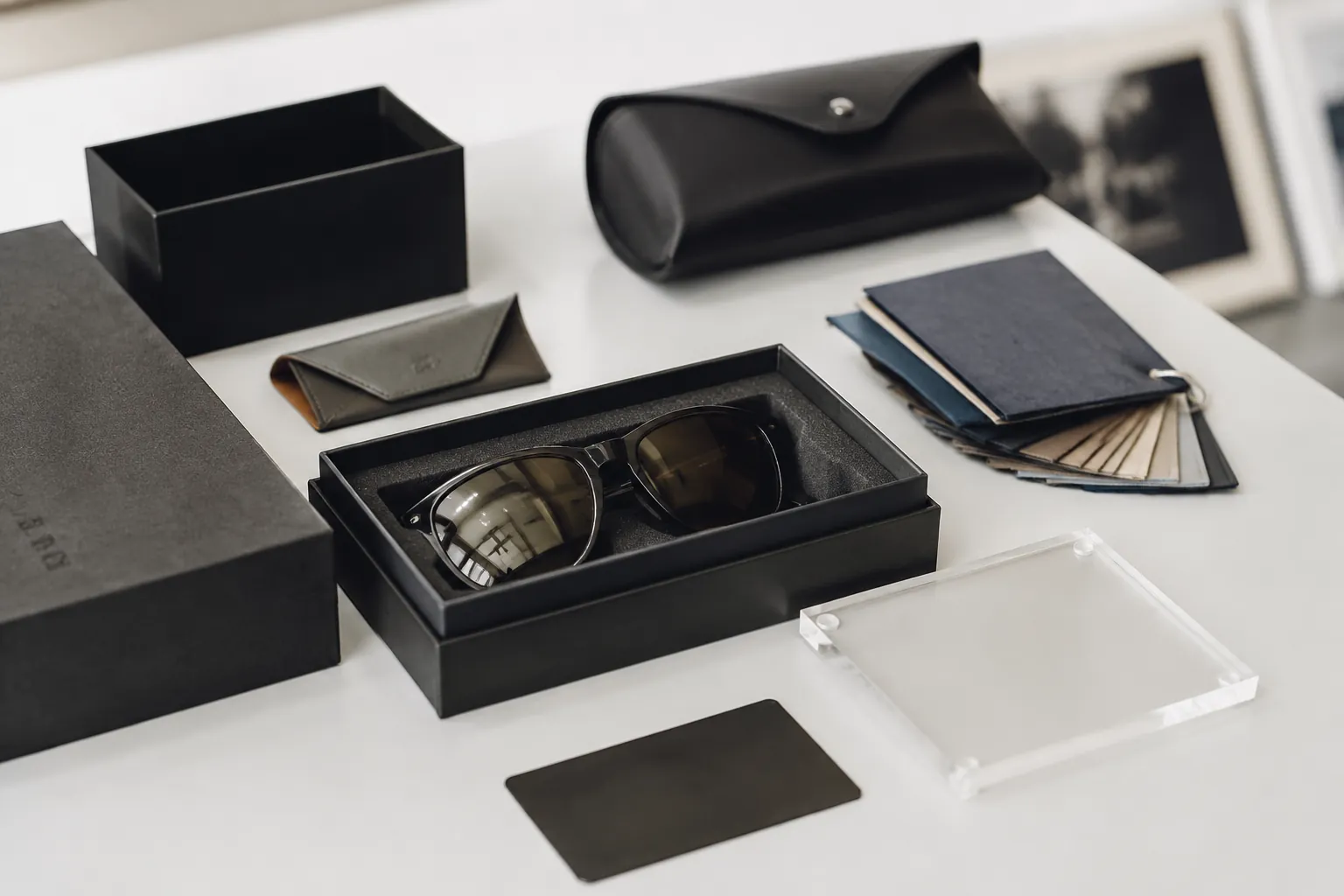
This guide is for brand owners, importers, distributors, and retail buyers who want to use one sunglasses frame platform across multiple launches without reopening core tooling every season. The goal is straightforward: lock the frame architecture, then refresh the product through controlled changes such as lens colors, logos, trims, and packaging. Do that well, and you cut avoidable tooling changes, reduce repeat approval work, and keep fit, lens retention, and compliance review more consistent from batch to batch. Get it wrong, and the same mold starts to fight you. Some colors may expose cosmetic defects. Decoration may fail on the chosen surface. A trim update may force rework that should have been planned before tooling began.
Start with a platform, not a one-off SKU
If one tooling set needs to support several launches, the first order cannot be treated as a standalone style. It has to be built as a frame platform. That means the core geometry stays fixed: eye size, bridge width, temple length, front curve, hinge location, lens groove profile, and the main wall-thickness map. Changes happen around that geometry, not inside it.
For sunglasses, the most reusable platforms usually have controlled proportions and surface transitions that can accept more than one finish or color direction. Very aggressive sculpting, deep undercuts, sharp cosmetic edges, or decorative inserts in highly visible zones reduce future flexibility. They may look strong on a launch sample. They also narrow the number of colorways, textures, and trim options you can run later without reopening tooling or taking on more quality risk.
A practical platform usually has three layers of change:
- Fixed layer: front shape, lens geometry, bridge, hinge position, temple length, and core tool structure
- Flexible layer: lens tint, logo method, small trim details, and approved frame colors
- Seasonal layer: packaging graphics, limited lens combinations, campaign naming, and short-run decoration
The balance matters. If too much sits in the fixed layer, every new drop becomes redevelopment. If too much sits in the seasonal layer, the product can drift beyond what the original tool and process can repeat consistently. The advantage is simple: lock the dimensions that affect fit and lens retention, then leave room for visible change where the tool can actually handle it.
This is not only a design exercise. The frame still has to move cleanly through molding or cutting, finishing, polishing, lens fitting, decoration, alignment, and repeat production. A good platform is not just attractive in the first sample round. It stays predictable on later reorders.
Choose the construction with the widest repeat range
Many buyers focus on the cost of the first sample. A better question is how many usable variants the same tooling can support over the next 12 to 24 months. The answer depends heavily on construction.
| Construction | Best use for repeat drops | Main advantage | Main limit |
|---|---|---|---|
| Injection molded frame | Programs built around repeat colorways and steady replenishment | High repeatability when wall thickness, cooling, and material choice are controlled | Visual effects are usually narrower than acetate, especially for layered or highly patterned looks |
| Acetate cut and CNC finished | Collections where material appearance is central to the product story | Broad flexibility in transparency, pattern, and depth from the acetate sheet itself | More finishing variation can appear between sheet lots, especially on patterned materials |
| Injection front with metal trim accents | Fashion programs that want stable geometry with limited hardware updates | Core mold can stay fixed while selected trim details change | Trim seating, plating quality, and assembly tolerances require tighter control |
| Acetate front with standard lens geometry | Branded collections refreshed through material and finish changes | Look can change through lens, polish level, and branding treatment without changing fit architecture | Not every acetate sheet behaves the same during beveling, tumbling, and final polish |
Injection molding is often the most efficient route if the main goal is to scale one frame across several colorways. Acetate can give you a broader visual range, but it also adds more variables. Sheet lots can shift in pattern distribution or color depth. Some acetates polish cleanly. Others show stronger edge contrast or more visible variation after tumbling. Temple matching can also get harder when pattern direction changes from sheet to sheet.
So choose by program, not by the first sample. Use acetate when the material story drives sell-through. Use injection when repeatability, replenishment, and controlled SKU expansion matter most.
Engineer the tool around planned change points
This is where repeat programs either hold together or break down. A sample can look good and still be a bad platform if the tool was not built for future variation. Before tooling is frozen, define the intended change points and check them against real process limits.
- Lens groove and retention: keep a consistent groove profile and confirm it works with the approved lens materials, thickness range, and coating stack. Small mismatches can create looseness or edge stress.
- Logo zone: reserve a flat or controlled-curvature area for pad printing, laser engraving, or a metal logo plate. Strong curvature makes artwork distortion harder to control.
- Trim seats: if future versions may use metal accents or logo plaques, build the mounting feature into the original design. Adding it later is usually slower and less clean.
- Surface finish capability: decide early whether the same frame will be offered in gloss, satin, soft-touch, or transparent finishes, then check whether those finishes reveal molding or finishing marks.
- Color window: validate which resin families or acetate options can run on the frame without warpage, streaking, whitening, or obvious left-right mismatch.
On injection styles, wall-thickness control is critical. A section that looks fine in matte black may show sink marks in a glossy solid color. A section that is too thin may show stress whitening in transparent colors or become unstable during lens fitting. In many reusable platforms, balanced section design matters more than one extra styling feature. Plain and repeatable beats clever and fragile.
On acetate styles, review the CNC path and polishing plan against future sheet options before final approval. Some translucent sheets look clean after milling, then show more edge variation after tumbling and hand polish. Others stay stable in dark solids but reveal small tool-path differences in crystal colors. Ask to review the same shape in more than one material direction before locking the platform.
Build seasonal drops around the fastest-change parts
The lowest-risk seasonal launch is the one that avoids new frame development. In most repeat programs, the fastest variables to change are lenses, branding, and selected trim details.
Lens tinting is often the quickest refresh tool because it changes shelf impact immediately while keeping the frame constant. Common options include smoke, brown, green, blue-gray, gradients, mirror coatings, and polarized versions where the lens construction supports them. But lens color is not only cosmetic. If visible light transmittance, lens category, mirror coating, polarized film structure, or lens material changes, confirm whether the existing compliance file still covers that variant.
Decoration should also be chosen by replacement speed and risk profile:
- Pad printing: usually the fastest artwork change and one of the lightest setup burdens; works best on controlled flat zones
- Laser engraving: stable for tone-on-tone branding, but final contrast depends on substrate color and finish
- Metal logo plates: stronger perceived value, but require component planning, fit control, and finish approval
Packaging is another practical lever. If timing is tight, changing the pouch print, carton label, insert card, or outer sleeve is usually lower risk than changing frame structure. Those updates typically avoid the tooling and assembly variables that come with a new fitted component.
Keep the strategy disciplined. Hold one or two proven sellers steady in reliable colors, then add smaller-run lens or branding variants around them. That builds volume on one base construction without turning each drop into a redevelopment cycle.
Know where the real savings come from
Reusing tooling does not make every reorder fast or cheap by default. The savings come from avoiding mold redevelopment, reducing fit revalidation, shortening approval loops, and using an assembly sequence that already works. The buyer still has to control color approval, lens confirmation, artwork placement, and document matching. No shortcut there.
| Scenario | Development burden | Typical sample timing | Bulk timing impact |
|---|---|---|---|
| New frame, new tool, new lens setup | Highest | Usually longer because design, tooling, and fit validation are all open | Adds tooling review and validation time before production can start |
| Existing frame tool, new colorway | Low to medium | Often shorter than a full redevelopment if the material and finish are already approved | Usually limited, provided color and finish are confirmed early |
| Existing frame tool, new logo method | Medium | Depends on artwork preparation, plate setup, or engraving confirmation | Usually manageable if the decoration zone was planned into the platform |
| Existing tool, new metal trim component | Medium to high | Requires extra fit and assembly checking | Can slow production if hardware tolerances or finish consistency are not stable |
In repeat programs, the main timing risk is often not factory capacity. It is specification drift. If color targets stay open too long, decoration positions keep moving, or lens approval gets revisited after planning starts, the schedule slips even when the platform itself is sound.
The same logic applies to MOQ. A low minimum can help with trial orders, but platform programs work best when buyers aggregate repeat volume onto one construction instead of spreading small quantities across unrelated styles that each need separate development attention.
Control compliance and materials at platform level
One mold across multiple drops only works if compliance management is organized at platform level. Buyers often change lens tint or coating and assume the original report still covers every later version. That needs to be checked, not assumed.
A better method is to build a platform compliance matrix that separates constants from variables. Frame geometry may stay fixed, but lens category, visible light transmittance, mirror coating, polarized film structure, or material formulation can affect which tests, labels, or declarations need review. This matters even more when one frame is sold into more than one market.
- CE EN ISO 12312-1: relevant for sunglasses placed on applicable markets and closely tied to lens performance, labeling, and use conditions
- ANSI Z80.3: commonly referenced for non-prescription sunglasses in the U.S. market
- AS/NZS 1067: relevant for Australia and New Zealand market requirements
- REACH: material compliance control for substances in components, coatings, and finishes
- FDA registration: a paperwork point some U.S. buyers request, but not a substitute for product performance compliance
ISO 9001 and BSCI can matter in supplier assessment, but they serve different purposes. ISO 9001 relates to quality-system management, and BSCI is used in social compliance review. Neither replaces product testing or market-specific lens and labeling requirements. Ask the factory to map each platform variant to the correct document set instead of circulating one generic certificate pack for every version.
Lock the BOM so reorders do not drift
A reusable tooling strategy fails when the bill of materials is vague. The frame shape may stay the same, but drift often shows up in lens shade, hinge torque, logo placement, gloss level, left-right color match, and overall assembly feel. The platform only works if the non-negotiables are locked and the allowed variations are written clearly enough for a reorder months later to match the approved master sample.
Your BOM for a platform frame should separate what is fixed from what is selectable:
- Lock: frame dimensions, base material, hinge specification, lens geometry, fit tolerances, and core branding position
- Specify options: approved frame colors, approved lens tints, finish levels, logo methods, trim finishes, and packaging variants
- Record standards: which variant maps to which compliance documents, labels, and market pack-outs
- Set visual tolerances: acceptable color deviation, logo alignment window, lens shade match, and surface defect limits
This is where process discipline matters. Even under one supplier, the buyer still needs a clear specification tree and a master reference sample. Short version: reuse the mold, not the ambiguity. A platform program saves money only when both sides work from the same locked standard on every repeat order.
Use a disciplined workflow for repeat drops
Buyers who get the most value from one tooling set usually follow a controlled sequence.
- Approve the core frame first. Confirm fit, material, hinge performance, front alignment, and lens retention before discussing seasonal cosmetics.
- Define the approved option list. Decide which frame colors, lens tints, logo methods, and trim finishes are valid on this platform.
- Build a master sample file. Keep dimensions, photos, decoration positions, packaging references, and compliance mapping in one place.
- Order by volume priority. Put stable sellers into larger replenishment runs and keep fashion colors in smaller test orders.
- Use pre-production confirmation for every new variant. Even with the same tool, confirm actual color, print, and lens combination before bulk starts.
- Review QC against platform rules. Inspect against the master standard, not only the current PO line, so the product does not drift from drop to drop.
If the volume plan is realistic, one frame can support several commercial uses: launch drop, mid-season recolor, retailer-exclusive lens version, and later branding refresh. That is the point. Stretch development spend without treating every release as a new silhouette. Keep lead times more predictable because the product architecture was built for repetition from the start.
Have a custom sunglasses project in mind?
Send us your styles, target market and quantities and we will return a detailed quote with MOQ, lead time and a sample plan.
Get a QuoteWhy source this from Wenzhou with LumiShades
Wenzhou in Zhejiang Province is widely regarded as China’s eyewear manufacturing capital, producing a large share of the world’s sunglasses. That concentration matters to buyers: a deep local supply chain for acetate sheet, hinges, lens blanks, plating and packaging means shorter component lead times, easier color and material matching, and a workforce with decades of eyewear-specific skill. LumiShades has manufactured in this ecosystem since 2009, and our vertical integration — in-house injection molding, acetate cutting, CNC milling, lens tinting, decoration and quality control — means no part of your order is quietly subcontracted to a workshop you cannot audit.
For international buyers, that vertical control translates into accountability. When a single factory owns every step, defects are traced and fixed at source rather than bounced between vendors, and your specifications survive intact from first sample to bulk. We back this with 15+ years of experience, shipments to 60+ countries, more than 5 million pairs produced per year and a 98.5% on-time delivery rate. Our certifications — CE EN ISO 12312-1, FDA registration, ANSI Z80.3, AS/NZS 1067, REACH, ISO 9001 and BSCI audit — mean the compliance documentation your market requires already exists. Explore our manufacturing capabilities and quality control process to see how this works in practice.
Frequently asked questions
Can I use one mold for both matte and glossy versions of the same frame? Often yes, but only if the surface quality and wall-thickness balance were engineered for both finishes from the start. Before approving the platform, ask for samples in each intended finish and inspect them for sink marks, flow lines, uneven gloss, exposed polishing marks, and edge consistency under normal retail lighting. If gloss is planned, make sure the supplier confirms that the cosmetic standard was evaluated on gloss, not only on matte.
What is the safest way to add a seasonal update without risking a production delay? Start with the lowest-impact variables: lens tint, pad print artwork, or packaging. Those changes usually carry less risk than altering frame geometry or adding a new fitted metal trim part. A practical workflow is to keep the frame BOM fixed, issue a clear artwork file or lens specification, request one pre-production confirmation sample, and lock approval before the bulk schedule is released.
Does changing lens color mean I need new compliance documents? Not always, but you should verify it every time the lens specification changes. Check whether the new version changes visible light transmittance, lens category, coating type, polarization structure, or lens material. Then ask the supplier or testing partner to confirm whether the existing file still covers the variant for the target market under CE EN ISO 12312-1, ANSI Z80.3, or AS/NZS 1067, and whether labeling also needs to change.
Is a low MOQ enough for a true platform program? A low MOQ can help with trialing the shape, but it is not the main advantage of a platform strategy. A platform works best when repeat demand is concentrated on one construction so the same frame can be replenished and refreshed efficiently over time. For buying decisions, treat the low MOQ as a sampling or market-test tool, then review whether your forecast supports holding core colors continuously and adding smaller seasonal variants around them.
How many colorways should I approve on one frame at the start? For most buyers, three to five approved combinations is a practical starting range. Include one proven core seller, one or two reliable commercial alternatives, and only a limited number of seasonal options. To keep approval manageable, create a matrix that lists frame color, lens tint, logo method, finish, and target market for each version, then confirm which combinations are fully approved for production and which are still under review.
Ready to start?
Explore our round sunglasses or request a quote — our sales team replies within 12 hours.
Request a Quote