
How to Source Anti-Slip Sunglasses for Active Retail
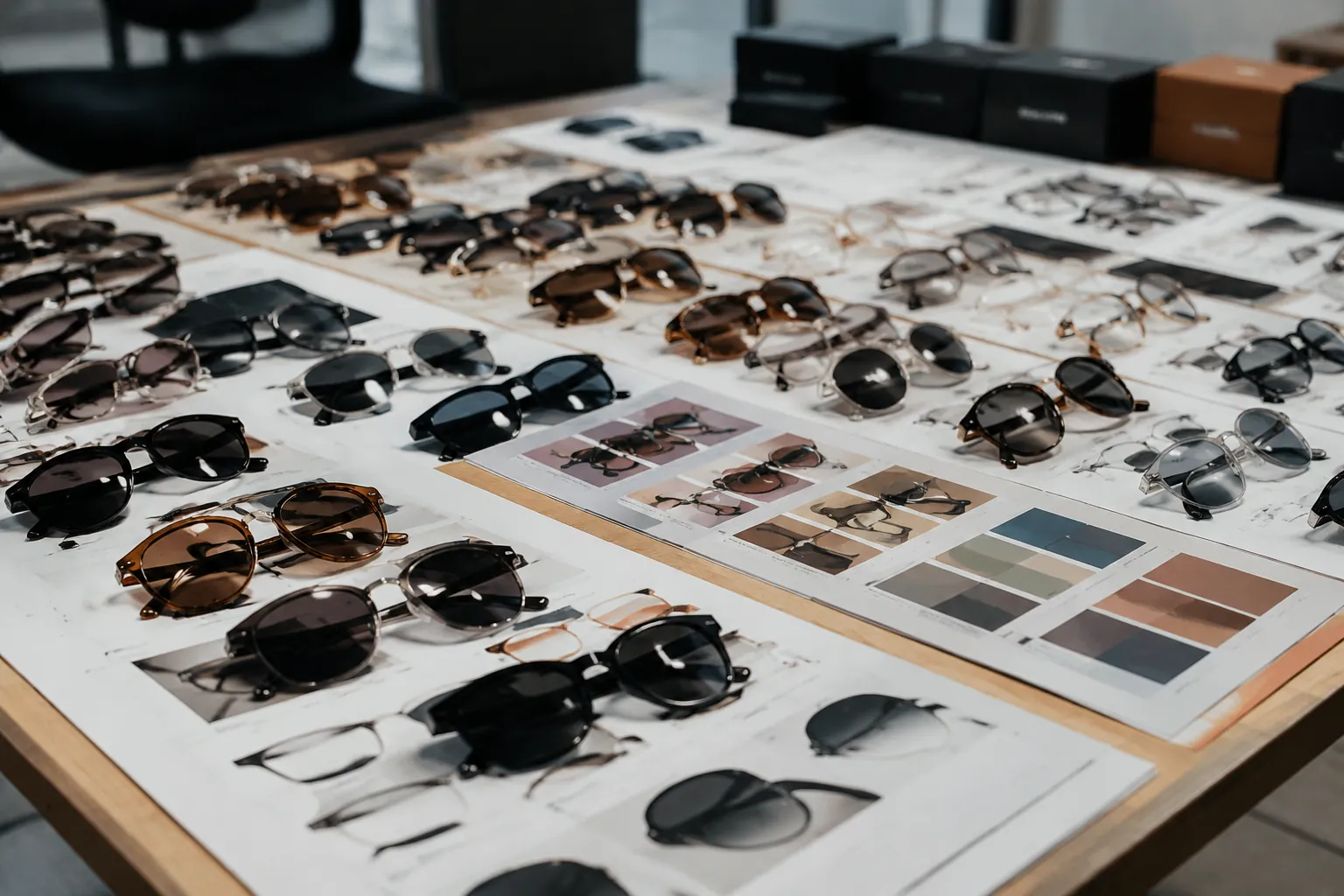
This guide is for brands, importers, distributors, and retailers sourcing sunglasses for sports, travel, and outdoor channels. The goal is not to make a frame that only looks athletic. It is to reduce bounce, sweat slip, and returns while staying inside cost and compliance targets. In practice, frame geometry, temple structure, nose-pad choice, and finish matter more than most buyers expect. Get those details wrong, and the problems show up fast in retail and in reviews.
What anti-slip actually means in sunglasses
Anti-slip is not one feature. It is the result of frame geometry, surface texture, temple angle, nose-pad material, and how the sunglasses behave under sweat, heat, movement, and repeated wear. A pair can pass a tabletop fit check and still fail on a run, hike, or bike ride.
For activewear and outdoor retail, buyers usually want three things: the frame stays put when the wearer sweats, pressure does not build up after 30 to 60 minutes, and the wearer does not need constant readjustment. If the customer keeps pushing the frame back into place, the product is not anti-slip. It is a return risk with a sporty shape.
Define anti-slip by use case, not by marketing language. Trail running needs more hold than casual travel. Fishing or paddling often needs better moisture tolerance and a wider comfort range. Cyclists may accept a firmer wrap and tighter temple grip. Lifestyle outdoor buyers usually want a softer feel and less bulk. If you do not define the activity, you will approve the wrong details and pay for it later.
When you brief a supplier, ask what the design is optimizing for: contact pressure, sweat friction, fit retention, or weight balance. These are related. They are not the same. The best programs specify the use case, wearer profile, and expected wear time before tooling starts.
Frame geometry that keeps movement under control
Start with the frame itself. A wraparound lens profile can improve hold because it increases contact points and helps distribute weight more evenly across the face. It also reduces the chance of the sunglasses sliding forward when the wearer looks down. For active retail, that matters more than decorative details.
Watch the bridge height, lens tilt, and temple angle. A bridge that sits too high creates a pressure point on the nose. Too low, and the frame may drift downward or hit the cheeks during movement. Temple angle should follow the head without pinching behind the ear. For many adult sport frames, a moderate wrap is more useful than an aggressive curve that only fits a narrow face range.
Material choice affects grip too. TR90 and similar nylon-based injection materials are lightweight, flexible, and resilient under repeated bend cycles. That helps long-wear comfort. Acetate often reads more premium in lifestyle outdoor collections, but it needs careful temple shaping if you want stable grip and hinge alignment. Metal can support premium or hybrid looks, but it usually needs more attention on nose pads and temple-tip control because the bare material offers less friction.
As a practical benchmark, buyers often ask for hinge durability checks and a fit review that still feels stable after 20 to 30 minutes of movement. If the frame changes shape noticeably after heat exposure, the geometry is too weak for active retail. A good factory should be able to discuss temple spring-back, hinge torque, and lens-to-frame alignment in measurable terms, not just adjectives.
Practical buyer note: if a style is meant for activewear, avoid overbuilding the front. Excess mass at the browline or lens edge can make the frame slide faster once sweat starts. A lighter front with controlled temple grip usually performs better than a heavy performance look.
In-house injection molding, acetate cutting, and CNC milling can help adjust frame and temple details without moving the program between multiple factories. That matters when you need to refine bridge width, soften a temple bend, or change the front curve without restarting the sample chain.
Temple details: the cheapest place to fix a slip problem
Temple design usually decides whether a sunglass stays put. You have several options, and each one changes cost, feel, and durability. A simple straight temple with a textured surface is the lowest-cost route. A curved temple that hooks more firmly behind the ear improves hold. A rubber overmold or insert zone adds friction and reduces movement under sweat, but it also adds tooling complexity and inspection risk.
The main question is where you want the grip to happen. Some designs create hold through curvature alone. Others rely on a high-friction tip or a mid-temple insert. The best activewear styles usually combine a stable rigid core with a grip element only at the actual contact zone. That keeps the frame comfortable and prevents the whole temple from feeling sticky or overly soft.
Do not assume more rubber is better. Soft grip compounds can trap dirt, become tacky in heat, or harden unevenly if the material formulation is poor. For outdoor retail, a balanced design is often better: rigid temple core for shape retention, with grip only where the wearer actually touches the frame. That reduces replacement complaints and improves long-term wear comfort.
| Temple option | Grip performance | Typical cost impact | Best use case |
|---|---|---|---|
| Textured acetate or injected temple | Moderate | Lowest | Travel, lifestyle outdoor, entry-level sport looks |
| Ribbed or micro-textured surface | Moderate to good | Low | General outdoor retail with tight margin targets |
| TPR or silicone grip pads | Good | Medium | Activewear SKUs with sweat exposure and longer wear |
| Overmolded temple tips | Very good | Higher | Running, cycling, fishing, and sports-led programs |
Ask the factory how grip elements are fixed. If pads are glued on, you need adhesive testing and aging checks. If they are overmolded, inspect bond integrity, edge flash, and consistency from pair to pair. A glued-on tip that fails after heat or sweat is more expensive than a stronger molded part would have been.
A good sample review also checks symmetry at the temple tip, closing tension, and whether the sunglasses stay aligned after repeated handling. If one side opens more than the other, or if the temple ends are visibly uneven, the wearer often feels it within minutes even if the style looks fine in photos.
Nose pads: small part, big return risk
Nose-pad choice is where many programs go wrong because the part looks minor, but it drives comfort and slip performance. Hard plastic pads are low cost, but they tend to slide faster on sweaty skin. Silicone pads grip better and are gentler on the nose, but they must be formed and mounted properly. Poor molding, burrs, or rough edges can create pressure marks, skin irritation, and complaint emails that are expensive to resolve.
For activewear, adjustable silicone pads are usually the safest option because they let the wearer fine-tune fit and spread pressure across more face shapes. Fixed bridge designs can work for fashion-led outdoor styles, but they need tighter control on bridge width, pad angle, and front balance. If your market is mixed, adjustable pads generally reduce fit-related returns.
Request measurable checks rather than comfort claims. A practical buyer can ask for a wear trial across several head shapes, a sweat-slip check after 20 to 30 minutes of movement, and a visual inspection for pad alignment and symmetry. In sample review, look for three things: secure mounting, even contact, and no sharp edge at the pad base. If the frame shifts under light jogging, that is a geometry issue, not a packaging issue.
Low-bridge fit matters in many markets. If the wearer's nose bridge is lower than average, pad position and angle become more important than lens tint or frame color. In those cases, a one-size-fits-all molded bridge can cause the frame to sit too high or ride forward, while adjustable pads can compensate without changing the whole style.
Buyer rule: do not approve pad comfort from a photo. Ask for live wear testing, side-view photos on multiple face shapes, and confirmation that the pad arm or mount will survive transport vibration and repeated handling.
Material and finish choices for sweaty, outdoor use
Anti-slip performance is tied to surface behavior as much as to geometry. High-gloss finishes can look clean on shelf, but they often show fingerprints, sweat marks, and micro-scratches faster. Matte or lightly textured finishes hide wear better and usually feel less slippery in hand. They also suit active channels more naturally, especially where the product has to look durable after repeated outdoor use.
Material behavior changes with heat, humidity, and UV exposure. TR90 tends to be more forgiving under flex, which is useful for sports styles that need resilience. Acetate can look richer, but it requires careful control of polishing, hinge alignment, and temple shape to avoid fit drift after wear. Metal frames can feel premium and lightweight, but they rely more heavily on pad design and temple-tip engineering because the base material contributes less friction.
For lens coatings, anti-reflective or mirrored finishes do not improve grip, but they do affect positioning and shelf appeal. If the retail channel is sport-focused, lens tint and category should match the real activity and light conditions. Darker tints are not automatically safer. Compliance still matters: the finished sunglasses must match the standard and intended use in the target market.
Decoration should support the product, not fight it. Metal logo plates, laser marks, and pad print are useful, but they should stay away from grip zones and high-friction points. Decorative elements on temple tips can become comfort problems if they introduce sharp edges, extra thickness, or heat-retaining surfaces. If you are building a premium active look, use cleaner branding on the temple face or lens edge instead of loading the contact area.
In-house tinting and decoration can help keep color, print, and placement consistent across small test orders and replenishment runs. That matters when you are trying to hold the same fit feel from 50 pairs to a larger production order without changing the program each time production scales.
Surface-control tip: if the target channel includes hot climates, ask for sweat and heat handling tests, not just visual approval. A finish that looks good at room temperature may feel slick or tacky after a few minutes outdoors.
What to ask for in a spec sheet and sample review
Buyers should not approve an anti-slip sunglass from photos alone. You need a spec sheet that defines the fit-critical parts and leaves little room for interpretation. Include frame material, temple length, temple tip shape, nose-pad type, bridge width, lens wrap, finish, and any grip material. If a grip insert is used, specify its location, part thickness, and hardness range if the supplier can control it. The more active the use case, the tighter the spec should be.
For practical control, many buyers also include acceptable tolerances. A common working target is a tight tolerance on key bridge and pad positions, plus left-right symmetry checks on temple angles and pad height. The exact tolerance depends on the frame type and factory capability, but the point is to define what good means before the first sample is approved. Without tolerances, every sample looks acceptable until production starts drifting.
Ask the factory to show the following during sample review:
- Front and side alignment under close inspection.
- Temple opening and closing cycle count for active models.
- Pad positioning, symmetry, and edge finish.
- Grip retention after light sweat or water exposure.
- Packaging that does not deform temples or pads in transit.
A sample that looks good in a box is not enough. The frame should be worn, moved, and checked after 10 to 15 minutes, then checked again after sweat or warm-room exposure if possible. If the temple creeps up, the bridge starts sliding, or the ear hook creates pressure, reject the geometry before tooling. Tooling a bad fit is expensive; reworking it after production is worse.
For private label buyers: use one master sample with signed-off grip zones, print placement, and pad finish. Do not let production change the fit without approval. Small changes in bend radius or pad angle can alter wear feel more than most teams expect, especially when the sunglasses are worn outdoors for long periods.
Compliance, testing, and what real factories can prove
Use test reports as a gate, not as decoration. If a factory cannot tie the report to the exact frame, lens, and construction you ordered, treat it as weak evidence. A serious supplier should be able to explain which model was tested, what was tested, and whether the report matches the saleable product. A paper certificate alone does not prove the finished item is compliant.
For sunglasses, the relevant requirements vary by market. CE EN ISO 12312-1 is a common reference for many European programs, while other markets may need ANSI Z80.3, AS/NZS 1067, REACH material compliance, or FDA registration support. Factory-system documents such as ISO 9001 and BSCI can help evaluate operational controls, but they do not replace product-specific testing. The right set depends on destination, channel, and intended use, so the buyer should map compliance before sampling instead of after shipment is booked.
For activewear styles, ask for construction-aware testing, not only lens-only data. That means clarity on lens category, UV protection, impact handling where applicable, frame durability, and material declarations for the parts that touch skin. If grip pads, coatings, or inserts are used, confirm whether those materials are covered by the same report or need separate verification. A supplier that understands this difference saves time later.
Real factories can also help with process proof. That includes production photos, incoming material checks, in-line QC records, and final inspection reports tied to the order. If the supplier can show how bridge widths, temple angles, and pad placement are checked during production, the program is usually more reliable than one built only on end-stage sorting.
Reality check: compliance is not just a checkbox. In active retail, the same frame that passes paperwork can still fail if grip parts loosen, packaging deforms the temples, or decoration creates a sharp edge near a contact point.
MOQ, price breaks, and lead-time planning
Anti-slip models usually cost more than basic lifestyle sunglasses because grip parts, extra assembly, and tighter QC take time. The cost increase is usually not in the plastic itself; it is in labor, inspection, reject handling, and tooling complexity. As a result, the cheapest-looking solution is not always the cheapest landed cost if it drives returns or rework.
MOQ should be discussed with the supplier early, because it affects sampling, color options, lens choices, and packaging decisions. A lower starting quantity is useful for market testing or retailer preview programs. Pricing usually improves at higher volume breaks because tooling amortization, material buying, and production efficiency improve as the run gets larger. A model with overmolded tips, adjustable pads, and special packaging will cost more than a simple textured temple style.
Lead time usually follows a sample-to-production sequence. Samples typically take 7 to 10 days for straightforward designs when the parts are already within the factory's capability set. Bulk production typically runs 25 to 35 days after approval. Complex decoration, custom lens tints, or added compliance testing can extend that timeline. If you need a seasonal launch, build in time for at least one adjustment cycle so you can correct temple angle, pad position, or finish before the final order.
Here is the commercial logic that matters most: simple grip features protect margin, while overcomplicated ones eat it. If your target shelf price is tight, invest in the touch points that improve retention and reduce returns. A well-fitted frame with controlled grip usually outperforms a flashy but uncomfortable product over time because it gets worn, reviewed, and reordered.
Planning best practice: place the order in phases if needed. Start with a small run for fit and wear feedback, then scale into the better price break once the design is proven. That approach lowers risk without forcing you to overbuy an untested fit.
If you are buying for spring sports or summer outdoor retail, do not leave sample approval until the last minute. The useful window is often shorter than the marketing calendar suggests, and fit corrections are worth far more than a rush shipment.
Have a custom sunglasses project in mind?
Send us your styles, target market and quantities and we will return a detailed quote with MOQ, lead time and a sample plan.
Get a QuoteWhy source this from Wenzhou with LumiShades
Wenzhou in Zhejiang Province is widely regarded as China’s eyewear manufacturing capital, producing a large share of the world’s sunglasses. That concentration matters to buyers: a deep local supply chain for acetate sheet, hinges, lens blanks, plating and packaging means shorter component lead times, easier color and material matching, and a workforce with decades of eyewear-specific skill. LumiShades has manufactured in this ecosystem since 2009, and our vertical integration — in-house injection molding, acetate cutting, CNC milling, lens tinting, decoration and quality control — means no part of your order is quietly subcontracted to a workshop you cannot audit.
For international buyers, that vertical control translates into accountability. When a single factory owns every step, defects are traced and fixed at source rather than bounced between vendors, and your specifications survive intact from first sample to bulk. We back this with 15+ years of experience, shipments to 60+ countries, more than 5 million pairs produced per year and a 98.5% on-time delivery rate. Our certifications — CE EN ISO 12312-1, FDA registration, ANSI Z80.3, AS/NZS 1067, REACH, ISO 9001 and BSCI audit — mean the compliance documentation your market requires already exists. Explore our manufacturing capabilities and quality control process to see how this works in practice.
Frequently asked questions
Should I choose silicone nose pads or a molded bridge for active sunglasses? Choose silicone nose pads when the style needs adjustable fit, better sweat grip, or coverage across several face shapes. Choose a molded bridge when the design is simpler and the target wearer is well defined. For most activewear programs, adjustable silicone pads reduce fit-related returns because they let the wearer fine-tune position and pressure.
What is the most common anti-slip mistake buyers make? They approve the sample based on appearance and skip wear testing. A frame can pass a tabletop check and still slide during movement, especially after sweat, heat, or 20 to 30 minutes of wear. Always test on real faces, in motion, and after the product warms up.
How much should anti-slip features add to cost? It depends on the build and the volume. Textured temples usually add little, while silicone pads or overmolded grip zones add more because of extra parts, assembly, and QC. The cheapest functional upgrade is often better temple geometry, because it can improve hold without adding many new components.
What compliance documents should I ask for? Ask for the product standard that matches your market, such as CE EN ISO 12312-1, ANSI Z80.3, or AS/NZS 1067. For materials and factory systems, ask for REACH, FDA registration support where relevant, ISO 9001, and BSCI. Also confirm that any test report matches the exact frame, lens, and construction you are ordering.
How should I evaluate a sample before approval? Check front and side alignment, temple opening and closing, pad symmetry, and how the frame feels after 10 to 15 minutes of wear. If possible, repeat the check after light sweat or warm-room exposure. Reject any sample that shifts, pinches, or feels uneven, because those issues usually get worse in production, not better.
Can I start with a small order for a new outdoor style? Yes. A small initial order is the safest way to test fit, grip, and retail response before scaling. Use it to confirm wear comfort, packaging behavior, and feedback from the sales channel, then increase volume only after the fit is proven and the supplier has matched the approved sample.
Ready to start?
Explore our cat-eye sunglasses or request a quote — our sales team replies within 12 hours.
Request a Quote