
How to Reduce Lens Scratch Returns in Bulk Sunglasses
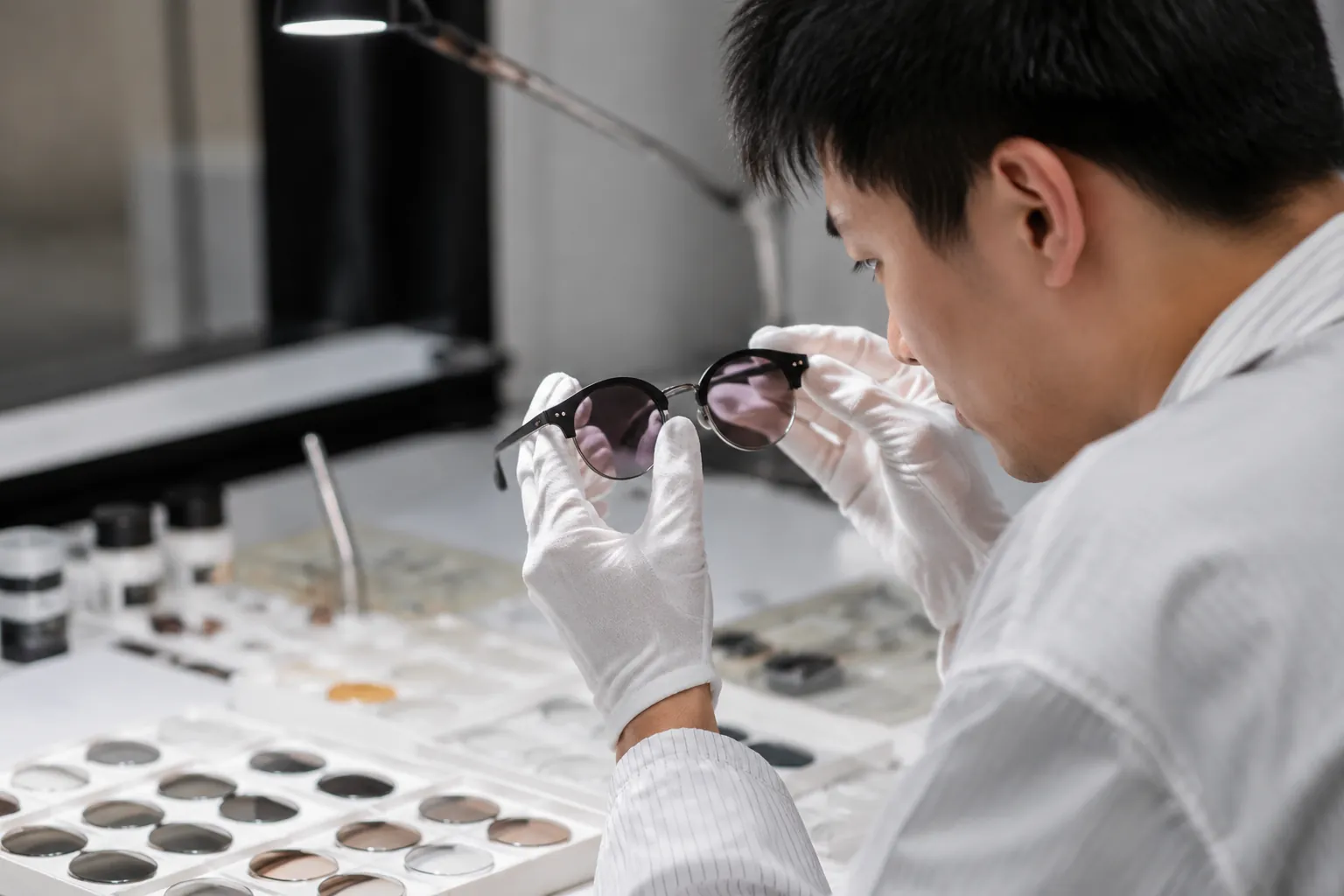
This guide is for brand owners, importers, distributors, and retail buyers sourcing sunglasses in volume who want fewer scratch complaints after delivery. In most programs, lens returns do not come from one defect. They usually trace back to four controllable issues: the wrong lens material, a vague coating spec, weak packaging, or poor handling between lens production and retail display. Fix those points before bulk production. It is usually far cheaper than replacing goods after shipment. The sections below focus on decisions that affect return rates in real wholesale orders, especially where MOQ, packaging cost, decoration complexity, and lead time all shape scratch risk.
Start with the actual failure mode
Buyers often label every lens mark a "scratch," but the pattern usually shows where the problem started. If you do not separate the failure mode, you will apply the wrong fix. A harder coating will not solve damage caused by lenses rubbing against hinges inside a carton. Better dividers will not solve a lens surface that marks too easily during normal store cleaning.
In bulk sunglasses, most post-sale complaints fall into five buckets:
- Micro-abrasion: fine hairlines from repeated wiping, dust, tissue paper, or low-grade pouch fabric.
- Transit rub: contact between lenses and temples, rivets, hinges, zipper pulls, or adjacent frames during packing and shipping.
- Production handling damage: marks added during lens edging, assembly, pad printing, logo plate attachment, final cleaning, or repacking.
- Retail handling damage: open display units handled repeatedly without controlled cleaning or protective storage.
- Consumer misuse: shirt wiping, loose bag storage, dashboard storage, or contact with keys and cosmetics.
The complaint pattern matters. Circular wipe marks usually point to cleaning abrasion. Straight edge marks often come from fixtures, hardware, or packing contact. Clustered scuffs on one side of the lens often suggest rubbing during transport. When reviewing claims, ask the supplier to classify photos by mark shape, location, and timing: found at incoming inspection, after store display, or after consumer use. A simple claim log by SKU, lens material, coating type, and shipment date can show where losses cluster.
If one supplier manages lens tinting, frame production, decoration, and final QC in-house, tracing the source is usually easier because the risk points sit in one process flow. That matters in custom programs with multiple decorations, such as pad printing on temples, laser marking on metal parts, or glued logo plates. Every extra handling step adds cosmetic risk.
Choose lens material for the channel
Lens material sets the baseline for scratch performance. For most wholesale sunglasses, the practical choice is between AC, PC, and nylon-based lenses. The lowest quote is not always the lowest landed cost once returns, replacements, and credits are counted.
| Lens material | Typical thickness range | Scratch behavior | Impact behavior | Best-fit channel | Buyer guidance |
|---|---|---|---|---|---|
| AC | 1.0 to 1.2 mm | Softer surface; benefits from a controlled hard-coat process and careful cleaning | Suitable for basic fashion use where risk is lower | Promotional, event, low-price fashion | Use when target cost is tight and pack-out is tightly controlled |
| PC | 1.0 to 1.5 mm | Generally more durable in routine handling when paired with a proper hard coat | High impact resistance | Mainstream retail, kids, sport-influenced styles | Often the most practical all-around choice for wholesale orders |
| Nylon | 1.5 to 2.0 mm | Good surface and optical performance when processed well | Strong, light, and dimensionally stable | Sport, outdoor, premium programs | Higher cost; usually justified by performance positioning |
AC can still work for giveaway programs or short-life fashion drops, especially when unit cost must stay low. But on open retail racks, AC often generates more complaints if coating, cleaning routine, and packaging are not tightly controlled. Moving from AC to PC raises unit cost, but it often improves durability enough to cut avoidable claims.
Let the channel drive the choice. A short promotional run may stay with AC. A reorderable retail style, a youth program, or a sport-influenced frame usually merits PC from the start. For wrap frames, semi-rimless constructions, or styles with greater drop exposure, PC or nylon is often the safer call.
Material also interacts with frame construction and decoration. Heavier metal fronts, exposed rivets, and large wrap lenses create more opportunities for contact marks than simple injected frames. If complaint rates are already too high, changing only the pouch or carton count may not fix an under-specified lens substrate.
Write a coating spec the factory can use
"Anti-scratch" is not a usable purchase specification. It leaves too much room for interpretation on coating chemistry, process depth, cure conditions, and inspection standard. A workable spec gives the supplier and the buyer the same target. No guesswork.
At minimum, your lens specification should define:
- Base material: AC, PC, or nylon for each SKU.
- Lens construction: solid tint, gradient, polarized, mirrored, flash, or backside AR if required.
- Hard-coat requirement: stated clearly as required, not optional.
- Compliance target: destination-market standard such as CE EN ISO 12312-1, ANSI Z80.3, or AS/NZS 1067.
- Cosmetic acceptance: no visible scratches, wipe marks, pits, or coating haze under a defined inspection method before packing.
The cosmetic standard is where many disputes begin. If you expect a premium appearance, write it in operational terms: inspection distance, lighting, and whether both sides of the lens are checked before pouching. If the supplier quotes a basic fashion standard while you inspect like a premium retail brand, conflict is likely.
Process control matters as much as wording. A sample that looks acceptable on day one may still mark too easily if hard-coat application or cure is inconsistent. Mirrored and flash lenses need even tighter control because decorative surfaces show handling marks quickly. Polarized lenses also require careful lamination, cleaning, and inspection so cosmetic defects are not mistaken for scratches.
Compliance documents do not prevent scratches, but they should still match the order from the start. For EU programs, CE EN ISO 12312-1 and REACH are often part of the file set. For US programs, buyers often review ANSI Z80.3 with FDA registration status. For Australia and New Zealand, AS/NZS 1067 may apply. If a return issue also exposes missing documentation, replacements get slower and more expensive.
Packaging causes many scratch claims
Many lenses leave the factory clean and arrive damaged because unit packing was treated as a minor cost item. Buyers often negotiate decoration in detail, then accept the cheapest pouch and carton setup. That is a mistake. Vibration, compression, and poor contact control create a large share of cosmetic claims.
The highest-impact packaging controls are usually these:
- Individual protection: each pair should go into a polybag or pouch material that does not shed lint and does not create dry rubbing on the lens.
- Lens isolation: the lens should not rest directly against a zipper pull, hinge corner, metal badge, temple tip, or exposed rivet.
- Carton density: overpacked inner cartons can increase movement pressure and contact marking during transit.
- Divider selection: shields, wraps, and heavier metal fronts often need more separation than standard fashion styles.
- Clean-before-pack control: dirty cloths or dusty work areas can add micro-scratches just before sealing.
Ask for photos of the exact pack-out, not a generic example. You should see the unit bag or pouch, inner box count, orientation, divider method, and master carton layout. Then ask the supplier to repack a sample batch in the approved method, simulate handling by manual shaking, and reopen the units for inspection. It is not a lab test. It is still useful. It can expose obvious transit-rub risk before shipment.
MOQ and packaging economics matter. Smaller orders often leave less room for upgraded pouch fabric, inner dividers, or lower carton density. Larger orders usually make those changes easier to absorb. Compare packaging cost against the full cost of one return cycle, including replacement product, freight, and customer account impact.
If the return spike appears only after ocean freight, review carton design and pack-out first. If marks are already visible at incoming inspection from the first opened cartons, review factory handling and packaging together.
Control the high-risk factory steps
Scratch damage inside production usually happens at predictable stations: lens edging, frame assembly, logo attachment, ultrasonic cleaning, hand wiping, and final packing. A supplier that cannot identify these steps is unlikely to be controlling cosmetic risk tightly enough.
For custom sunglasses made with injection molding, acetate cutting, CNC milling, lens tinting, pad printing, laser marking, or metal logo plate fitting, the practical controls should include:
- Protected work surfaces: soft pads or non-abrasive mats at assembly and inspection stations.
- Separated flow: finished lenses stored away from loose hardware, hinges, screws, and logo plates.
- Controlled handling: glove or finger-cot use after coating and after final cleaning where appropriate.
- Dedicated wipe materials: clean microfiber only, replaced on a defined schedule.
- Final 100% cosmetic check: lenses inspected immediately before pouching and boxing.
Ask one direct process question during supplier review: at what point are the lenses first fully exposed, and what stops them from touching hardware after that? A capable manufacturer should be able to describe the stations, trays, wipe method, and final inspection flow in practical terms. If the answer is only "we check carefully," the process is not documented well enough for reliable control.
Supplier systems matter too. ISO 9001 can indicate a structured quality management framework, while BSCI relates to social compliance rather than product performance. Neither certification guarantees scratch-free lenses, but ISO 9001-style process control can support better consistency if the factory applies it on the line.
Lead time affects defect risk as well. When bulk production is compressed, cleaning, rework, and repacking time usually shrink first. That is especially risky on programs with mirrored lenses, multiple logo applications, or strict cosmetic requirements.
Match QC to price point
You do not need the same cosmetic threshold for every order, but you do need a written one. A promotional campaign, a chain-store private label, and a premium DTC launch do not price or inspect the same way. Problems start when the buyer expects premium lens cosmetics and the factory quoted a basic standard.
| Program type | Typical lens choice | QC expectation | Packing level | Commercial impact |
|---|---|---|---|---|
| Promotional budget line | AC with hard coating | Basic cosmetic acceptance | Simple individual bag | Lowest cost, higher after-sale scratch exposure |
| Mainstream retail | PC with hard coating | Tighter visible-mark control | Pouch plus stable inner packing | Balanced cost and lower complaint risk |
| Sport or premium | PC or nylon with upgraded finish | Strict cosmetic screening | Stronger separation and carton control | Higher unit cost, lower return exposure |
Define how inspection happens: distance, lighting, viewing angle, and reject criteria. Also decide whether disputes will be judged against shipment inspection, incoming inspection, or documented field complaints. Put that in the purchase order, approved sample sheet, or lens specification. Without it, every claim becomes subjective.
Documentation should match the destination market from the start. EU programs commonly require CE EN ISO 12312-1 and REACH alignment. US programs often review ANSI Z80.3 and FDA registration status. Australia and New Zealand may require AS/NZS 1067. If documentation is incomplete, even a small cosmetic issue can delay replacement shipments or account resolution.
Use samples to test weak points before bulk approval
Samples are not only for checking fit, color, and logo position. They are the cheapest way to test how easily a lens construction marks under ordinary handling. This is the time to compare materials, coatings, and pack-out methods before the bulk order is locked.
A practical pre-bulk sample routine looks like this:
- Inspect on arrival: record any marks visible straight from the package.
- Wipe test: clean the lens with the intended cloth and inspect under consistent bright light for hairlines.
- Pack-and-shake test: repack the unit exactly as bulk goods would ship, shake by hand, then reinspect.
- Display simulation: place units on a rack and handle them repeatedly over several days.
- Compare constructions: AC versus PC, standard versus upgraded hard coat, bag versus pouch, or simple versus divided inner pack.
Document results with close photos and notes tied to each sample code. That gives the supplier a usable correction path. "Hairlines appear after repeated wiping on AC mirror lens in standard pouch" is actionable. "Lens should be stronger" is not.
This stage is also where buyers can decide whether a material or packaging upgrade makes commercial sense. If the lower-cost option already shows visible marking during sample handling, change the specification before bulk production. Do not wait for claims.
Checklist before bulk release
Use this before deposit release or final bulk approval. It catches many preventable scratch issues while changes are still relatively inexpensive.
- Material confirmed: AC, PC, or nylon listed clearly for each SKU and lens color.
- Coating confirmed: hard coating plus any mirror, gradient, polarized, or backside AR finish matched to the approved sample.
- Compliance matched: CE EN ISO 12312-1, ANSI Z80.3, AS/NZS 1067, REACH, and FDA registration status reviewed as needed for the destination market.
- Packing approved: unit bag or pouch, inner count, divider method, and master carton arrangement documented with photos.
- Cosmetic standard written: visible-mark reject criteria agreed before production starts.
- Handling controls reviewed: table protection, wipe method, glove use where appropriate, and final 100% cosmetic check confirmed.
- Decoration risk reviewed: pad printing, laser marking, metal logo plates, and other extra handling steps checked for lens-contact risk.
- Supplier system reviewed: confirm whether the factory operates under ISO 9001 and whether production and social compliance records such as BSCI are current where relevant.
This is not a complex system. It forces the right decisions before goods are made. Scratch returns hurt margin through replacement cost, freight cost, and lost buyer confidence. In wholesale eyewear, prevention usually costs less than dispute resolution after shipment.
Have a custom sunglasses project in mind?
Send us your styles, target market and quantities and we will return a detailed quote with MOQ, lead time and a sample plan.
Get a QuoteWhy source this from Wenzhou with LumiShades
Wenzhou in Zhejiang Province is widely regarded as China’s eyewear manufacturing capital, producing a large share of the world’s sunglasses. That concentration matters to buyers: a deep local supply chain for acetate sheet, hinges, lens blanks, plating and packaging means shorter component lead times, easier color and material matching, and a workforce with decades of eyewear-specific skill. LumiShades has manufactured in this ecosystem since 2009, and our vertical integration — in-house injection molding, acetate cutting, CNC milling, lens tinting, decoration and quality control — means no part of your order is quietly subcontracted to a workshop you cannot audit.
For international buyers, that vertical control translates into accountability. When a single factory owns every step, defects are traced and fixed at source rather than bounced between vendors, and your specifications survive intact from first sample to bulk. We back this with 15+ years of experience, shipments to 60+ countries, more than 5 million pairs produced per year and a 98.5% on-time delivery rate. Our certifications — CE EN ISO 12312-1, FDA registration, ANSI Z80.3, AS/NZS 1067, REACH, ISO 9001 and BSCI audit — mean the compliance documentation your market requires already exists. Explore our manufacturing capabilities and quality control process to see how this works in practice.
Frequently asked questions
Which lens material gives the best balance between cost and scratch resistance for wholesale fashion sunglasses? For many retail programs, polycarbonate is the most practical starting point. It usually offers better everyday durability than AC when both use a proper hard coat, while remaining more affordable than nylon. If you are comparing options, ask the supplier to quote AC and PC side by side for the same frame, coating, and packaging so you can weigh the real cost difference against expected return risk.
Can hard coating alone solve lens scratch complaints? No. Hard coating helps reduce surface marking, but it does not prevent damage caused by poor packaging, dirty cleaning cloths, loose hardware contact, or rough handling during assembly and packing. If scratch claims keep coming back, review four points together: lens material, coating requirement, pack-out method, and final handling controls.
What should I ask a supplier to include in the lens spec? Ask for five items in writing: base lens material, lens construction and finish, hard-coat requirement, destination-market compliance target, and the cosmetic acceptance standard used before packing. Also ask how inspection is performed, including lighting and viewing distance. If those points are not written into the PO, approved sample sheet, or specification, the order is much harder to enforce consistently.
How can I test scratch risk before bulk production? Use pre-production samples for four checks: arrival inspection, controlled wiping with the intended cloth, repacking in the proposed bulk method followed by manual shake testing, and short display simulation. Test at least two constructions if you are deciding between AC and PC, standard and upgraded hard coat, or different pouch and divider options. Keep dated photos and notes by sample code so the supplier can reproduce and correct the issue.
Does lower MOQ increase scratch risk? Not directly, but it can limit packaging and material options. Smaller orders often have tighter unit-cost targets, which may push buyers toward simpler pouches, fewer dividers, or lower-cost lens materials. If you are ordering at a low MOQ, focus on the highest-risk points first: prevent lens-to-hardware contact, require a hard coat in writing, and inspect packed samples before approving bulk.
Ready to start?
Explore our round sunglasses or request a quote — our sales team replies within 12 hours.
Request a Quote