
How to Check Sunglasses Samples Before Bulk Orders
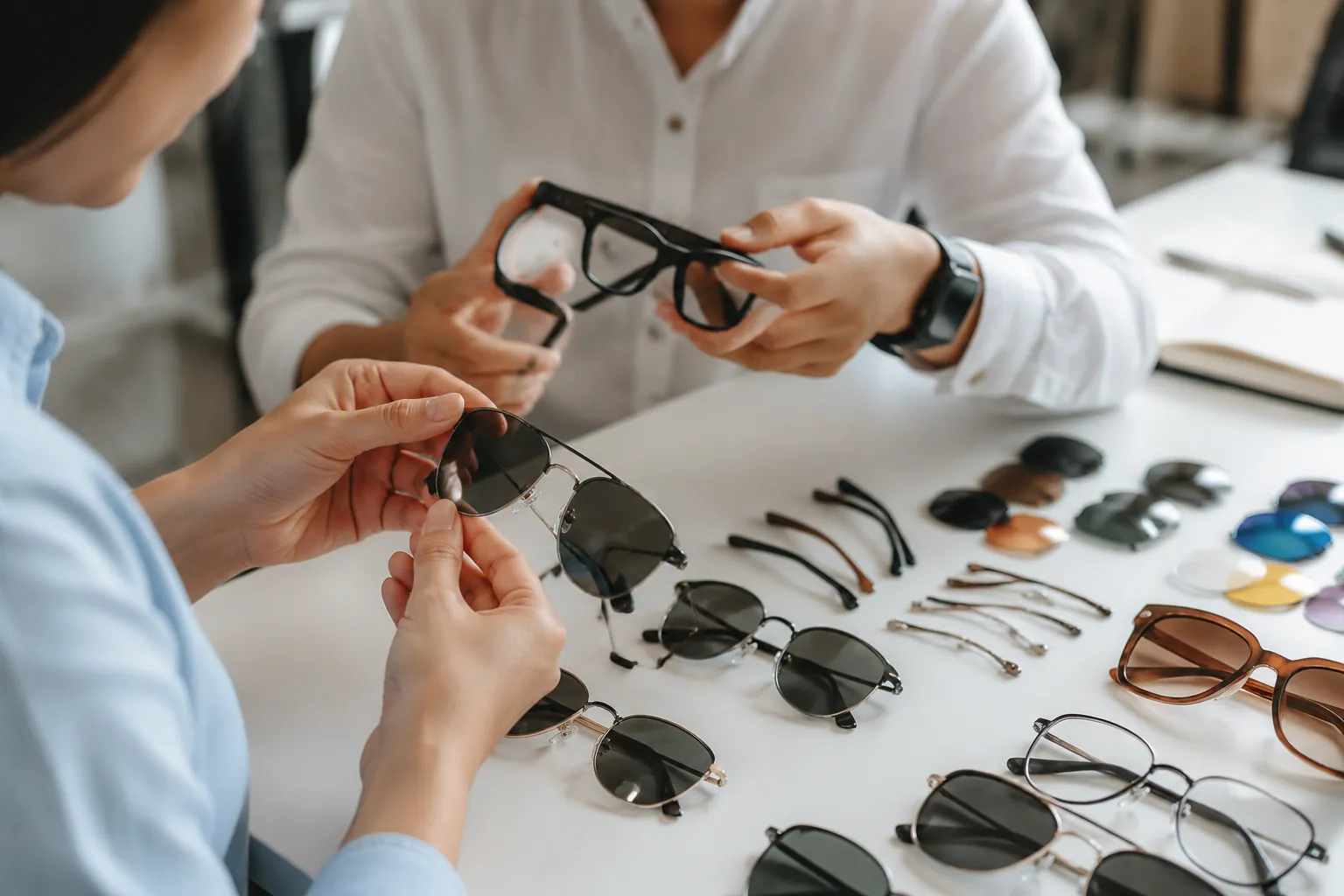
If you buy custom sunglasses for a brand, import program, retail chain, or distribution business, sample approval is where many avoidable problems begin. A good sample shows what the factory can repeat. A bad one only proves one piece looked right once. This guide explains how to compare sample, pre-production, and bulk units so you can catch color drift, fit problems, lens issues, and finish defects before they turn into a shipment dispute.
Start With the Sample's Job
A sample is not the finished product. Its job is simple: show that the factory understands your spec and can repeat it under production conditions. For overseas buyers, that means answering three questions. Does the design match the brief? Can the process be repeated? Do the products meet the compliance requirements for the destination market?
If a sample is heavily hand-finished but the bulk order will not be, treat that as a warning, not a win. The right sample is the one that reflects the same materials, tooling, decoration method, and finishing route used in mass production.
Before you approve anything, write down the exact purpose of the sample stage:
- Confirm frame shape, lens size, bridge fit, and temple length.
- Check material behavior under the planned production method.
- Lock color, logo method, lens tint, and surface finish.
- Set the reference for future reorders and replacements.
If the factory cannot explain how the sample matches the intended bulk process, ask for a corrected sample before moving forward. That is easier than correcting thousands of pairs later.
What to Measure, Not Just Look At
"Looks good" is not enough for a sunglasses program. You need repeatable dimensions and clear visual checkpoints. Measure the frame width, lens width, bridge width, temple length, pantoscopic angle, and hinge alignment. On acetate and injected frames, even small changes affect fit. A 1 mm bridge change can alter how a frame sits on the nose. A small shift in temple angle can change how it feels in wear.
Build your own approved sample sheet with numbers, not just photos. The factory should confirm the target and tolerance for each point. If it does not quote tolerances, ask for them in writing before approval. A serious supplier should be able to state practical production tolerances by component, especially for repeat orders.
| Checkpoint | What to inspect | What usually goes wrong | Why it matters |
|---|---|---|---|
| Frame width | Overall width across front | Bulk units arrive wider after polishing or mold wear | Affects face fit and display consistency |
| Lens tint | Color, darkness, left/right match | Shade drifts between the sample and the production batch | Causes retail complaints and visual mismatch |
| Temple alignment | Both temples open evenly | Small hinge offset makes the frame sit crooked | Affects comfort and return rate |
| Logo decoration | Laser, pad print, or metal plate placement | Offset placement, weak adhesion, or faded print | Affects brand presentation and rejection risk |
Use the sample to verify what can be held at volume. Do not approve what only one hand-finished piece can achieve.
Sample, Pre-Production, Bulk: Treat Them as Three Gates
Many order failures happen because buyers approve a sample and assume the rest will match automatically. That is not how production works. Use three separate gates: sample approval, pre-production approval, and bulk inspection. Each gate checks a different risk.
Sample approval locks the design and the intended finish. Pre-production approval checks the actual production setup: materials, molds, color batch, lens tint, decoration method, and packing method. Bulk inspection checks whether the factory held the standard under volume pressure.
| Stage | Purpose | Typical quantity | Buyer action |
|---|---|---|---|
| Sample | Confirm concept and spec | 1-3 pcs per style/color | Approve dimensions, materials, finish, and branding method |
| Pre-production sample | Confirm line setup before mass run | 1-5 pcs from production tools | Check that it matches the approved sample under real process conditions |
| Bulk inspection | Verify run-to-run consistency | AQL or your own sampling plan | Inspect random cartons for drift, damage, and packing errors |
If your supplier skips the pre-production gate, you are taking unnecessary risk. That is the point where the factory proves the mold, color masterbatch, tint bath, and decoration method work together as a system. It matters even more when several process steps happen in-house, because each step can introduce variation if it is not controlled in sequence.
The Four Drift Risks Buyers Miss
There are four common reasons a bulk order does not match the approved sample: shade drift, fit drift, finish drift, and packing drift. These are routine production issues. They account for a large share of buyer complaints.
Shade drift happens when acetate, injected resin, or lens tint batches vary. In acetate, color pattern and depth can shift slightly between sheets. In injected frames, material lot and mold temperature can affect surface tone. For lenses, tint baths and coating runs can make one sample look darker than the next.
Fit drift happens when hinge torque, temple angle, or nose bridge geometry changes. This is common in higher-volume runs because tool wear and assembly speed affect alignment.
Finish drift shows up as gloss differences, rough edges, visible tool marks, weak pad print, laser depth variation, or logo plate misplacement. It is often caused by inconsistent polishing time or rushed decoration.
Packing drift is simpler but still damaging: wrong pouch, wrong insert, loose folding, scratched lenses, or mixed SKUs in the same carton.
Ask the factory which steps are controlled in-house and which are outsourced. In-house control makes it easier to trace where variation starts and where it is corrected. A supplier that handles molding or acetate cutting, CNC finishing, tinting, decoration, and QC in one workflow can usually isolate problems faster than a trader coordinating several subcontractors.
How to Inspect a Sample Like a Buyer
Do not inspect one sample with a casual glance. Use the same routine every time, with the same light source, the same measuring tools, and the same notes. If the method changes, the verdict becomes unreliable.
- Measure the frame against the spec sheet with a ruler or caliper.
- Open and close both temples several times to feel hinge resistance.
- Check lens alignment under bright white light for symmetry, tint consistency, and scratches.
- Inspect the edges, nose area, and hinge screws for burrs, stress marks, or glue residue.
- Test decoration placement, adhesion, and readability at normal retail viewing distance.
- Pack and repack the sample once to see whether the packing method protects the finish.
For sun-protection or tinted products, ask for the compliance documents relevant to the target market. Common references include CE EN ISO 12312-1 for the EU, ANSI Z80.3 for the US market, AS/NZS 1067 for Australia and New Zealand, REACH for chemical restrictions, FDA registration for applicable US import programs, ISO 9001 for quality management systems, and BSCI for social compliance. Ask for the actual documents tied to the product line you are buying, not a general supplier claim.
If the sample passes visually but the supporting documents cannot be traced to that style, it is not ready for approval.
What to Ask Before Approving Production
The fastest way to reduce reorder problems is to lock the production conditions in writing. Ask direct questions. Do not accept vague answers like "same as sample" unless the factory defines what "same" means.
- Which material grade will be used for the bulk run?
- Will the lens tint come from the same bath or color master as the sample?
- Will decoration be laser engraving, pad printing, or a metal logo plate, and what is the tolerance on position?
- What is the acceptable deviation on frame dimensions, temple length, and lens placement?
- How many units will the pre-production check cover?
- What happens if the first bulk inspection shows shade or finish drift?
For a custom program, confirm MOQ and price breaks before approval. The exact figures depend on the factory, the design, and the materials. Sample lead time and bulk lead time also depend on whether the specification is frozen. If you change lens color, logo method, or packaging after approval, reset the timeline and confirm it in writing.
Keep the approval record tied to the exact version of the specification. Later changes should be easy to spot.
A Simple Reorder Control Sheet
If you plan to reorder, keep a one-page control sheet for each style. This is the document that helps when a salesperson, warehouse team, or new buyer asks why the next batch looks slightly different.
Your control sheet should include:
- Approved sample photos from front, side, and folded views.
- Measured dimensions and tolerance notes.
- Exact frame material, lens type, tint code, and decoration method.
- Packing spec, carton count, and accessory list.
- Compliance documents linked to the style, not just to the supplier.
- Approved pre-production date and bulk release date.
Use the same sheet for every reorder. If the factory updates tooling, changes a lens supplier, or shifts a logo process, the difference should show up immediately. That matters in acetate programs and multi-color injection styles, where small changes can pile up across repeat orders.
One practical rule: if a reorder sample is "close enough" but not identical, decide whether your market can accept the difference before you approve it. Do not assume end customers will not notice.
What a Serious Supplier Should Prove
There is a difference between a factory that can make a nice sample and one that can hold a program. For B2B buyers, the second one matters more. A supplier should be able to explain its process flow, show where QC happens, and identify the exact step where a deviation is caught.
At minimum, ask whether the supplier can trace the frame from molding or acetate cutting through CNC finishing, tinting, decoration, and final QC. Ask whether it can show that the bulk unit follows the same process route as the approved sample. Ask whether the compliance records are tied to the actual product type and destination market. Ask whether it can ship within the agreed lead time without changing the specification.
If the answer is yes, your sample approval has real value. If not, you are only approving a display piece. That is not enough for a brand, importer, distributor, or retailer that needs repeatable supply.
The goal is simple: approve what can be repeated. Reject what only looks good once.
Have a custom sunglasses project in mind?
Send us your styles, target market and quantities and we will return a detailed quote with MOQ, lead time and a sample plan.
Get a QuoteWhy source this from Wenzhou with LumiShades
Wenzhou in Zhejiang Province is widely regarded as China’s eyewear manufacturing capital, producing a large share of the world’s sunglasses. That concentration matters to buyers: a deep local supply chain for acetate sheet, hinges, lens blanks, plating and packaging means shorter component lead times, easier color and material matching, and a workforce with decades of eyewear-specific skill. LumiShades has manufactured in this ecosystem since 2009, and our vertical integration — in-house injection molding, acetate cutting, CNC milling, lens tinting, decoration and quality control — means no part of your order is quietly subcontracted to a workshop you cannot audit.
For international buyers, that vertical control translates into accountability. When a single factory owns every step, defects are traced and fixed at source rather than bounced between vendors, and your specifications survive intact from first sample to bulk. We back this with 15+ years of experience, shipments to 60+ countries, more than 5 million pairs produced per year and a 98.5% on-time delivery rate. Our certifications — CE EN ISO 12312-1, FDA registration, ANSI Z80.3, AS/NZS 1067, REACH, ISO 9001 and BSCI audit — mean the compliance documentation your market requires already exists. Explore our manufacturing capabilities and quality control process to see how this works in practice.
Frequently asked questions
How many sample rounds should I expect before bulk approval? Plan for one initial sample round and one pre-production sample at minimum. If the design is new, the logo is complex, or the lens tint is sensitive, a correction round is normal. To reduce rounds, send a complete spec sheet, reference images, and approval criteria before sampling starts.
Should I approve a hand-finished sample if bulk output will be machine-finished? No. Approve against the actual production method. A hand-finished sample can hide edge issues, fit drift, and decoration problems that will appear in bulk. Ask the supplier to produce a sample using the same route planned for mass production.
What matters most for matching tint color across reorders? Lock the tint code, lens material, and reference sample under the same lighting conditions used for approval. Ask the factory to keep the dye or coating reference linked to that style and to confirm whether the same batch route will be used for repeat orders. If the supplier changes lens source or tint process, reapprove the color.
How do I protect myself if bulk units drift from the sample? Use written tolerances, a signed pre-production sample, and a clear rejection rule for shade, fit, and finish defects. Keep dated photos, measurements, and document copies tied to the approved style. If the bulk shipment drifts beyond the agreed limits, reject or sort the lot according to the contract terms.
Can one factory handle both quality control and decoration consistently? Yes, if the supplier controls the core steps in-house and checks decorated parts before packing. The key is not the number of processes, but whether the factory can trace each step, verify the result, and show that the final product matches the approved sample. Ask for the QC checkpoints and the exact decoration method before you approve production.
Ready to start?
Explore our aviator sunglasses or request a quote — our sales team replies within 12 hours.
Request a Quote