
Scratch-Resistant Coatings for Wholesale Sunglasses
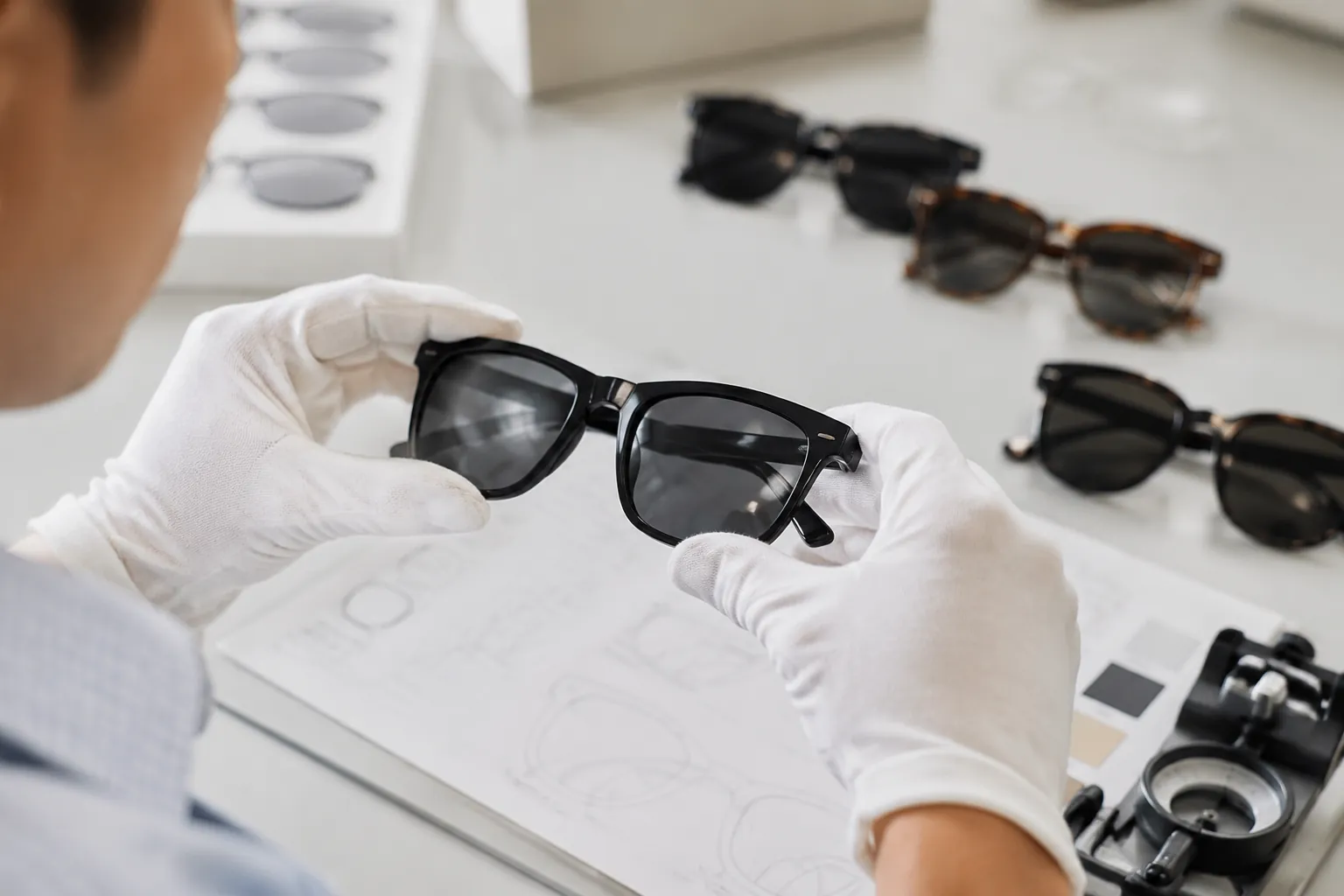
This guide is for brand owners, importers, distributors, and retail buyers sourcing sunglasses at volume. The goal is simple: decide whether a scratch-resistant coating is needed, what level of abrasion resistance you are actually buying, and which channels will notice the difference. That matters because coatings raise unit cost, complicate production on mirrored or decorated lenses, and add approval steps. In wholesale programs, the right answer is rarely the top option on a sample sheet. It is the coating level that fits the lens material, price point, wear cycle, and return risk.
Start with the sales channel, not the coating name
Many buying mistakes happen before anyone defines the real need. A buyer asks for the most scratch-resistant lens available. The supplier quotes an upgraded hard coat. Then the order moves forward without a clear discussion of how the product will be sold, handled, used, and reviewed.
That is the wrong sequence. In wholesale sunglasses, scratch resistance is not a single feature. It is a performance outcome shaped by the lens material, coating chemistry, curing method, handling, cleaning habits, and post-assembly quality control.
Start with the sales channel, shelf price, and replacement economics. A seasonal fashion program usually cares most about how the product looks at purchase, whether the optics are acceptable, and whether early returns stay low. A mid-market private-label program often needs better resistance to display scuffs, repeated try-ons, and routine wiping. Outdoor, travel, and active channels usually expect longer use. That makes abrasion complaints more visible and more expensive.
For wholesale orders, the better question is not Do you offer scratch-resistant coating? It is What abrasion level fits this lens material, this channel, and this cost target? That keeps the discussion specific. And useful.
- Entry fashion channel: a basic hard coat is often enough when the goal is acceptable in-store appearance and tight cost control.
- Mid-market retail: an upgraded hard coat often gives a better balance of durability, price, and cleaner presentation after repeated handling.
- Outdoor or active channel: define the lens material, coating level, and internal comparison method in writing before sample approval.
- Kids or promo programs: prioritize lens material choice, impact considerations, and replacement economics before paying for a premium coating.
- E-commerce brands: pay close attention to wipe marks and cosmetic condition on arrival, because first-use reviews can matter more than long-term lab claims.
Same frame style. Different end use. Different coating logic.
Know what scratch-resistant coating can and cannot do
Buyers often hear scratch-resistant and assume scratch-proof. It does not mean that. Not even close.
On sunglasses, the coating is usually a hard-coat layer added to improve surface abrasion resistance during normal handling, repeated cleaning, retail display contact, and light rubbing from dust or packaging. It can reduce fine surface marks and help the lens stay presentable. It will not stop deep scratches from sand, metal contact, concrete drops, or careless storage with keys.
The lens substrate matters as much as the coating. Polycarbonate is widely used because it is lightweight and impact resistant, but its surface is relatively soft, so hard-coat quality matters. CR-39 is known for good optical clarity and appears in some sunglass programs, though material choice still depends on price, weight, styling, and product position. Nylon-based lenses are used in some active categories where flexibility matters, but process control still decides whether the finished lens performs well. Acrylic is common in low-cost programs, but buyers should expect tighter limits on long-term abrasion performance and cosmetic durability.
There is also a process tradeoff. A harder surface can improve abrasion resistance, but coating thickness, adhesion, and curing profile must match the substrate. If they do not, defects can show up fast: haze, weak adhesion, edge instability, rainbow effects, or visible marks after cleaning. On mirrored or flash-coated lenses, the stack becomes even more sensitive because each added layer creates another chance for cosmetic failure.
That is why experienced buyers ask about more than coating type. They ask how the lens is cleaned before coating, how curing is controlled, how inspection is done, and whether lenses are checked again after edging, assembly, and final wiping. Those details often decide whether the coating works on finished goods, not just on loose-lens samples.
Compare the coating levels buyers actually use
Most wholesale sunglass programs fall into a few practical coating tiers. Factory terms vary, so compare the result, not the label. A quote that says premium hard coat means very little unless it is tied to a lens material, a defined comparison method, and a clear cost effect.
| Coating level | Typical use | Common lens pairings | Durability expectation | Typical cost effect | Buyer note |
|---|---|---|---|---|---|
| Basic hard coat | Promo, seasonal fashion, low-price retail | Acrylic, entry polycarbonate | Improves resistance to light wiping and ordinary handling wear | Adds cost versus an uncoated lens; exact amount depends on material, order size, and factory process | Often suitable where replacement cost matters more than long wear |
| Upgraded hard coat | Mid-market private label, department store, online brands | Polycarbonate, CR-39 | Better resistance to daily abrasion, display scuffs, and repeated cleaning | Usually costs more than a basic hard coat and may require tighter process control | Often the most balanced option for branded wholesale programs |
| Premium abrasion-focused system | Outdoor, active, travel, higher-ticket retail | Higher-spec polycarbonate, nylon-based lenses | Higher resistance in normal use, but still not scratch-proof | Can increase cost, approval time, and rejection risk if poorly matched to the lens system | Should be tied to a written comparison method and careful claim language |
| Premium stack with mirror or multi-layer finish | Fashion-sport hybrids, statement retail styles | Polycarbonate with decorative top layers | Can deliver a premium look, but durability depends heavily on full layer-stack control | Cost and yield impact vary widely by finish and factory capability | Appearance can sell the product, but cosmetic rejection risk rises quickly |
For many importers, an upgraded hard coat is the commercial middle ground. It often improves finished-product durability without pushing the program into unnecessary cost or claim risk. But it is not automatic. The right choice still depends on lens material, retail promise, and how the factory validates the result on finished samples.
Match the coating to material, price, and decoration
If you choose the coating before the lens material, you are often working backward. Start with the substrate. It sets the baseline behavior. Then choose the minimum coating level that protects the product in its channel and survives the decoration and assembly steps required by the style.
Polycarbonate is widely used in wholesale sunglasses because it is lightweight, impact resistant, and flexible across fashion and sport categories. In practice, it usually benefits from a properly controlled hard coat. For active, youth, and resort programs, polycarbonate with an upgraded hard coat is a common choice. For lower-priced fashion sunglasses, a basic hard coat on polycarbonate may be enough if customer expectations, pouch quality, and store handling are controlled.
CR-39 can support a stronger optical story, but the frame design, margin structure, and weight target need to justify it. Acrylic can help hit aggressive price targets, especially in promotional programs, but buyers should expect less room for abuse and less resilience under repeated wiping. If a buyer wants very low FOB pricing and premium abrasion performance at the same time, there is usually a mismatch between material reality and commercial expectation.
Decoration changes the risk. Temple logo printing is usually lower-risk for lenses if handling stays disciplined, but mirrored lenses, multi-step manual cleaning, metal logo assembly, laser engraving on nearby parts, and other added operations increase the chance of secondary marks. A coated lens can pass pre-assembly inspection and still fail after fitting, wiping, or packing.
- Set the retail channel and shelf-price target.
- Choose the lens material based on use case, optics, and cost band.
- Map the decoration plan, including mirror finishes, logo parts, and packaging contact points.
- Request two sample standards: a standard coat and an upgraded coat on the same lens color and material.
- Compare them after assembly, cleaning, and repeated handling, not only as loose lenses.
Simple process. Better decisions.
Ask for test methods, defect limits, and post-assembly QC
If a quotation says scratch-resistant and nothing else, the specification is weak. Different factories can use the same term for very different performance levels. A serious purchase order should define how lenses will be checked, what cosmetic defects are acceptable, and when inspection happens.
At minimum, ask how the supplier verifies coating adhesion, visual clarity, abrasion performance, and post-assembly condition. Also ask whether the comparison is done on the same substrate and the same lens color. Results from different materials or different constructions are not directly comparable.
For practical B2B sourcing, ask whether the supplier checks coated lenses after curing, after edging, after frame fitting, and again before packing. That sequence matters. A lens that looks clean after coating can still pick up damage during assembly if tray protection, glove use, wiping practice, or packing discipline is inconsistent.
- Adhesion check: confirms the coating remains bonded to the lens after processing and handling.
- Visual inspection: checks haze, pinholes, flow marks, rainbow effects, edge defects, and unacceptable color variation.
- Rub or abrasion comparison: compares standard and upgraded options under the same internal method on the same lens construction.
- Post-assembly QC: verifies that fitting, cleaning, and logo handling did not introduce new marks.
- Packing check: confirms the pouch, tissue, or polybag does not create avoidable rubbing damage in transit.
For defect limits, buyers do not always need a complex lab specification. They do need a written cosmetic standard. Define the inspection distance, lighting condition, and rejectable defects for the viewing area. The goal is not paperwork. It is avoiding disputes after delivery.
Watch the hidden cost: yield, MOQ, and lead time
Scratch-resistant coatings do not affect only unit price. They can also affect development time, production yield, and schedule risk. This matters most on custom programs that combine tinted lenses, mirror finishes, logo parts, or several manual finishing steps.
A private-label sunglass order may include lens forming, tinting, hard-coat application, curing, decorative finishing, edging, frame fitting, cleaning, logo decoration, and final packing. Every added cosmetic requirement narrows acceptable output. In real programs, the true cost of a coating upgrade may come from slower approvals, tighter inspection, and higher rejection rates, not just from the coating surcharge.
MOQ logic matters too. Small development quantities may be possible, but coating economics and process stability usually improve at larger production volumes. Buyers should ask when the quoted coating level becomes a standard production option rather than a small-run exception, and whether that changes pricing, sampling conditions, or lead time.
Lead time is another variable buyers miss. A normal sampling schedule can stretch if buyers change lens material late, add mirror finishes after approval, or tighten cosmetic standards after the first prototype. Bulk timing can also lengthen during peak season or when a coating system requires more process control and reinspection.
Cheap coating with reliable delivery can be the right commercial decision. A premium coating that disrupts launch timing may not be.
This is not a quality argument. It is a planning argument.
Keep performance claims separate from compliance claims
Scratch resistance and product compliance are related, but they are not the same thing. A coated lens still has to meet the optical and safety requirements of the destination market. Keep those topics separate on the specification sheet. One section should cover compliance documents. Another should cover coating performance and cosmetic standards.
For sunglasses, buyers commonly review CE EN ISO 12312-1, ANSI Z80.3, AS/NZS 1067, REACH, and FDA registration where relevant to the market and product type. ISO 9001 and BSCI can also help when evaluating factory systems. None of these documents, by themselves, proves better scratch resistance. They address market access, optical or safety requirements, chemical restrictions, management systems, or social compliance.
This matters because sales language often drifts. If a team markets premium scratch-resistant lenses, it should not imply scratch-proof performance or treat compliance paperwork as proof of abrasion superiority. That creates legal and commercial risk, especially on product pages, hangtags, and retail packaging.
A safer approach is to match the wording to actual use:
- Acceptable: improved resistance to light surface abrasion during normal handling.
- Acceptable: upgraded hard coat for better daily wear durability.
- Risky: anti-scratch lens with no explanation of limits.
- Avoid: scratch-proof or damage-proof unless independently validated and legally reviewed.
Good sourcing is not only about the lens itself. It is also about controlling the claims used to sell it.
Pay for visible value, not theoretical value
If the customer will not notice the difference, do not pay for the difference. That rule protects margin better than abstract technical comparisons.
In many wholesale sunglass programs, the right choice is not the highest coating level available. It is the lowest level that keeps returns, complaints, and negative reviews within an acceptable range for the channel.
When comparing factory offers, ask for side-by-side finished samples built as closely as possible: same frame design, same lens color, same lens material, same packaging, and ideally the same cloth or pouch arrangement. Then review the product the way the market will review it. Check first-wipe marks, cosmetic consistency after assembly, visible scuffs after repeated cleaning, and whether the lens still looks clean under normal retail lighting. If the upgraded option only performs better under extreme conditions your customer is unlikely to create, the premium may not be justified.
Where the channel is more demanding, spend accordingly. Outdoor, active, travel, and higher-ticket branded programs are more likely to justify a stronger abrasion package because the sunglasses stay in use longer and cosmetic wear is noticed sooner. Fashion, promo, and short-cycle seasonal programs often do not need the same level.
The buying rule is simple:
- Buy basic when the product is short-cycle and price-led.
- Buy upgraded when the brand needs cleaner daily-wear performance.
- Buy premium only when the channel, claim risk, and price architecture support it.
- Always validate on finished samples, not only on a factory description.
That framework is easier to defend in a purchase meeting than a vague request for the best coating available.
Have a custom sunglasses project in mind?
Send us your styles, target market and quantities and we will return a detailed quote with MOQ, lead time and a sample plan.
Get a QuoteWhy source this from Wenzhou with LumiShades
Wenzhou in Zhejiang Province is widely regarded as China’s eyewear manufacturing capital, producing a large share of the world’s sunglasses. That concentration matters to buyers: a deep local supply chain for acetate sheet, hinges, lens blanks, plating and packaging means shorter component lead times, easier color and material matching, and a workforce with decades of eyewear-specific skill. LumiShades has manufactured in this ecosystem since 2009, and our vertical integration — in-house injection molding, acetate cutting, CNC milling, lens tinting, decoration and quality control — means no part of your order is quietly subcontracted to a workshop you cannot audit.
For international buyers, that vertical control translates into accountability. When a single factory owns every step, defects are traced and fixed at source rather than bounced between vendors, and your specifications survive intact from first sample to bulk. We back this with 15+ years of experience, shipments to 60+ countries, more than 5 million pairs produced per year and a 98.5% on-time delivery rate. Our certifications — CE EN ISO 12312-1, FDA registration, ANSI Z80.3, AS/NZS 1067, REACH, ISO 9001 and BSCI audit — mean the compliance documentation your market requires already exists. Explore our manufacturing capabilities and quality control process to see how this works in practice.
Frequently asked questions
Is a scratch-resistant coating necessary on all wholesale sunglasses? No. It depends on lens material, sales channel, expected use, and target price. Polycarbonate usually benefits from a hard coat because surface durability matters to finished performance. The practical step is to define the lens material first, then ask the supplier which coating level is standard for that material and channel. Approve the coating on finished samples, not just from a verbal description or a loose lens.
How should I compare two factories if both say their lenses are scratch-resistant? Ask for a like-for-like comparison. Request the lens material, coating level, internal abrasion or rub-comparison method, and finished samples built in the same tint, frame style, and packaging setup. Then ask where QC happens: after coating, after edging, after frame fitting, and before packing. If one supplier cannot explain the test method or post-assembly controls, the claim is not strong enough to support a buying decision.
Will a premium hard coat stop deep scratches from keys, sand, or rough storage? No. A premium hard coat can improve resistance to light surface abrasion during normal handling and repeated cleaning, but it does not make the lens scratch-proof. Buyers should reflect that limit in product claims and care instructions. If the channel has a high risk of abrasive contact, focus on realistic claim language, protective packaging, and finished-sample evaluation rather than assuming the coating will prevent all damage.
Does a better scratch-resistant coating affect lead time and minimum order logic? Yes, it can. Upgraded coatings may require more process control, extra inspection, and greater caution when combined with mirrored or decorative lens finishes. Ask the factory four direct questions: whether the coating changes sample timing, whether it changes bulk lead time, whether it is standard at your order volume, and whether it affects rejection risk on decorated or mirrored lenses. Get those answers in writing before approving the program.
Which compliance documents matter when buying coated sunglasses for export? Common documents buyers review include CE EN ISO 12312-1, ANSI Z80.3, AS/NZS 1067, REACH, and FDA registration where relevant to the market and product type. ISO 9001 and BSCI can also support factory evaluation, but they do not prove scratch resistance. The key step is to separate compliance requirements from abrasion-performance requirements on the spec sheet: one section for market-access and management documents, and one section for coating level, internal comparison method, and cosmetic inspection standard.
Ready to start?
Explore our sport wrap sunglasses or request a quote — our sales team replies within 12 hours.
Request a Quote