
When Polarized Lenses Are Worth It in Sunglasses
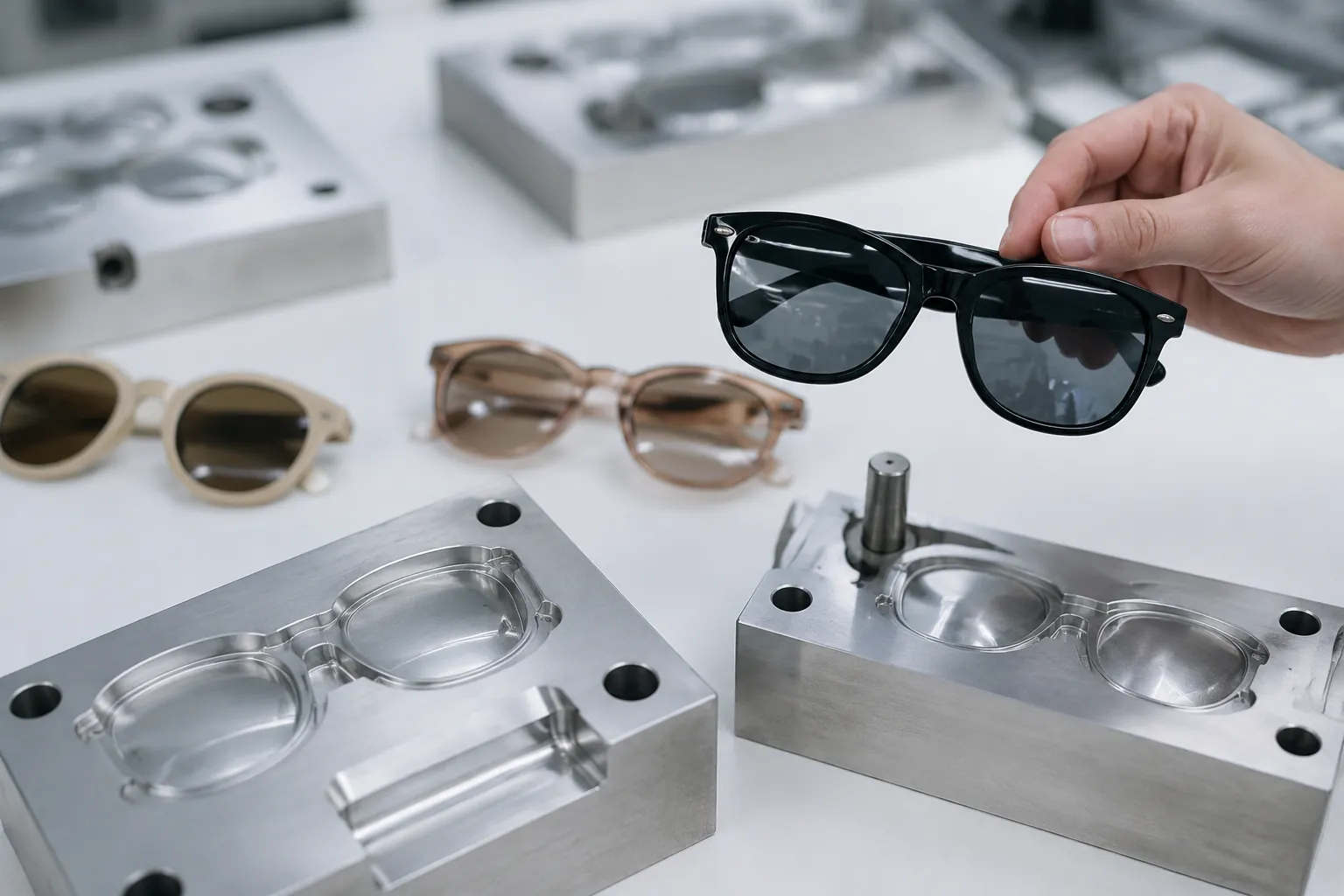
This guide is for brand owners, importers, distributors, and retail buyers building sunglasses programs at scale. Polarization can raise perceived value and improve performance in the right use cases. It also adds lens cost, process sensitivity, and more QC checkpoints. The real commercial question is simple: will the customer notice the benefit fast enough to justify the extra cost, SKU complexity, and approval work? That answer depends on use case, retail price, channel, and factory control. Below is a practical sourcing review of where polarized lenses usually pay off, where they are often overspecified, and what the change means for cost, lead time, compliance, and production discipline.
Start With Use Case, Price Band, and Channel
Buyers often ask for polarized lenses too early. That is usually the wrong starting point. First define where the product will sell, what problem it solves, and what retail price has to hold. Polarization is not a universal quality upgrade. It is a glare-reduction feature. It works best when reflected horizontal light is the main issue, such as on wet roads, windshields, open water, snow, and bright pavement.
At sourcing level, the key question is direct: will the user notice the benefit quickly in normal wear? If yes, polarization may support a higher FOB and a clearer premium story. If no, it may only add cost and QC pressure. In lower-price programs, even a small lens upcharge can squeeze margin once freight, duty, packaging, and retailer markup are added.
Before approving polarized as a standard specification, a procurement team should lock five variables:
- Primary use case: driving, fishing, marine, resort, street fashion, or general outdoor.
- Target retail band: opening price, mid-tier, or premium; lens upgrades behave differently at each level.
- Gross margin requirement: small landed-cost shifts matter more in opening-price chains than in specialty retail.
- Retail education support: specialty staff can explain glare reduction; peg-wall or self-serve channels often cannot.
- Assortment productivity: polarized works better in proven carryover shapes than in low-volume fashion experiments.
This step prevents a common mistake: adding a technically better lens to a frame that actually sells on shape, logo, and color story. In many fashion-led programs, a strong-looking frame with a standard UV-protective sun lens will outsell a polarized version if the shopper is buying on style and price first.
Driving: Strong Benefit, Tighter Spec Control
Driving is one of the clearest commercial cases for polarized lenses. The benefit is often immediate. Less glare from windshields, wet roads, painted surfaces, and bright vehicle hoods. That can make the product easier to sell in practical-use channels.
But the lens specification has to stay controlled. Most driving programs sit within general-purpose sun-lens categories and visible light transmission levels set by the destination market. Buyers should confirm lens category, transmission range, and labeling requirements against the applicable regulation or test report. Generic descriptions are not enough. For broad-market assortments, gray, gray-green, and brown are usually the most scalable polarized tints.
There is also a known trade-off. Polarized lenses can interfere with some LCD, LED, and OLED displays. Depending on screen type and viewing angle, a dashboard, infotainment display, or phone screen may look dimmer or show rainbow-like patterns. That is an optical interaction, not necessarily a product defect. It should be stated clearly on packaging, PDPs, or carton copy where relevant.
For driving assortments, the most stable commercial structure is usually:
- Two to four core polarized SKUs in conservative frame colors such as black, tortoise, crystal smoke, or gunmetal.
- One or two lens colors only to reduce replenishment complexity and tint-variation risk.
- Comfort-first fit with moderate wrap, stable nose geometry, and balanced temple pressure for extended wear.
- Clear retail messaging: glare reduction, UV protection, and the screen-viewing trade-off.
Process consistency matters. If one supplier controls lens tinting, assembly, and QC under one quality system, repeat orders are less likely to show visible tone drift between batches. In driving programs, even small left-right tint mismatch or unstable lens tone can trigger complaints quickly.
Fishing and Marine: Usually Worth the Added Cost
If the channel is fishing, boating, tackle, marina, or outdoor specialty retail, polarized lenses usually justify the added cost more clearly than in most other categories. Water glare is constant. Users notice the difference fast. In this segment, polarization is not just a premium label. It is often central to the product proposition.
Lens color matters more here than in general fashion programs. Gray polarized lenses are common in strong sun and bright offshore conditions. Brown or copper lenses are often chosen where contrast enhancement is part of the selling story. Mirror coatings such as blue, green, or silver can add shelf impact, but they also add another cosmetic control point. Uneven mirror density, edge pull-back, pinholes, or color shift are defects buyers should watch closely during sample approval.
Frame construction changes too. A true marine or fishing frame usually needs more wrap, more side coverage, firmer hinge behavior, and a more secure fit than a casual fashion frame. A polarized sticker on a thin flat-front frame does not make it a fishing SKU.
From a production standpoint, water-sport programs need tighter control of:
- Polarizing film alignment: left and right lenses need consistent orientation; poor alignment can create visible inconsistency.
- Lens thickness and curve control: sport shapes with higher wrap usually require closer optical control than flatter fashion shapes.
- Hard-coat and mirror application: edge defects, flow marks, haze, and coating streaks are more visible on mirrored polarized lenses.
- Decoration durability: metal trims, plated logos, and painted details should be chosen conservatively for salt-exposed use.
Factory integration helps. If molding, CNC processing, lens finishing, decoration, and final QC sit inside one system, there are fewer handoffs and clearer accountability when defects appear. For niche launches, MOQ flexibility also matters because small pilot runs can test demand before a buyer commits to a larger water-sport program.
Fashion: Use Polarization as a Selective Upsell
Fashion sunglasses are where buyers most often overspec polarized lenses. In trend-led categories, the shopper is usually buying shape, colorway, brand code, and perceived status before optical function. If the frame sells mainly in boutiques, resort stores, seasonal collections, or fast-moving fashion channels, adding polarization to every SKU can raise landed cost without delivering the same sell-through benefit.
A better structure is selective polarization. Keep hero styles in standard tinted UV-protective lenses, then offer one or two polarized carryover colors in the same shape as a premium step-up. This creates a cleaner merchandising ladder and avoids forcing low-volume colorways into a tighter cost box.
There is also a development reality buyers should respect. Fashion programs usually carry more colorways, more logo placements, and more cosmetic variation than utility-led programs. Every extra lens treatment adds matching and approval work. Unusual lens tones, gradient requests, embedded logos, metal logo plates, hot-foil details, or multi-step paint effects can all stretch development if approvals keep moving.
Decoration choice affects timing and reject risk. For example:
- Pad print: fast and economical, but generally less durable than molded or embedded branding methods.
- Hot foil: effective for bright metallic branding, but sensitive to curvature and adhesion consistency.
- Laser marking: clean and permanent on suitable materials, though visually subtler.
- Metal logo plates: premium look, but slower to approve and more prone to alignment issues.
Bottom line: polarization can work in fashion, but it usually works best as a premium option, not the base specification across the whole line.
Everyday Retail: Build a Good-Better-Best Assortment
For pharmacy, convenience, travel, value retail, and broad general-outdoor programs, a tiered assortment usually works better than making everything polarized. Mixed-use shoppers do not all need the same lens spec. Many are buying a spare pair for the car, beach bag, or casual wear. A clear merchandising ladder protects margin and keeps inventory cleaner.
| Program Type | Typical Lens Spec | Typical FOB Impact vs. Basic Tinted Lens | Commercial Upside | Main Risk |
|---|---|---|---|---|
| Opening price everyday | Non-polarized UV-protective tinted lens | Baseline | Best cost control, broad appeal, fastest turns | Weak feature story |
| Mid-tier driving/outdoor | Polarized gray or brown lens | Higher than basic tinted lens; exact delta depends on material, coating, and volume | Clear functional upgrade with easy consumer message | Higher unit cost, more screen-visibility complaints |
| Specialty fishing/marine | Polarized contrast-oriented tint, optional mirror | Higher than standard polarized due to coating and QC complexity | Strong use-case fit and easier premium pricing | Tighter QC and slower cosmetic approvals |
| Fashion premium add-on | Selective polarized versions of proven shapes | Higher than non-polarized equivalent; usually easier to absorb on carryover SKUs | Upsell without raising full-line cost | Feature often under-explained at retail |
For most importers and distributors, this structure is enough:
- Good: non-polarized basics for volume and price-point defense.
- Better: polarized core styles for driving and general outdoor use.
- Best: channel-specific polarized models for fishing, marine, or technical sport.
This approach lowers over-spec risk on slow styles and gives the sales team a visible trade-up story without carrying polarized complexity across the whole wall.
What Polarization Changes in Cost, MOQ, Yield, and Lead Time
Polarized lenses are not just a material swap. They add process sensitivity. The lens stack, polarizing film quality, lamination stability, dye consistency, and final inspection standard all matter more than they do with a basic sun lens. That is why the cost delta is real, even at higher volumes.
At factory level, the extra cost usually comes from three places: material, inspection time, and yield loss. Compared with a basic tinted lens, a polarized lens with mirror or tighter cosmetic standards may produce more rejects due to film defects, coating inconsistency, edge marks, or left-right mismatch. Buyers should ask not only for unit price, but also where loss tends to occur and how the factory controls it.
MOQ and timing vary by supplier, lens construction, and how much work is handled in-house. As a general sourcing rule:
- Lower MOQs are useful for pilots, account testing, and regional launches, but per-unit cost is usually higher.
- Mid-volume runs are often more efficient once frame shape and lens tone are approved.
- Higher-volume repeat orders generally create the best leverage for decoration, packaging, and lens purchasing efficiency.
Lead times stay manageable if frame tooling and lens specifications are stable. Schedules usually slip for another reason: approval churn. Changing lens color after confirmation, adding mirror late, revising logos after tool release, or combining too many decoration methods within one style family will slow the program.
So lock lens color, polarization requirement, coating package, and cosmetic standard before sample sign-off. If the specification keeps moving, polarized programs get expensive fast.
Compliance and QC: Be Strict Where It Counts
Polarized sunglasses still have to meet the same market-access and product-safety requirements as non-polarized sunglasses. Depending on the sales market and channel, buyers may need documentation such as CE EN ISO 12312-1, ANSI Z80.3, AS/NZS 1067, REACH, and FDA registration. At factory-system level, ISO 9001 and BSCI are also commonly reviewed. Buyers should request documents that match the intended market and product claim, not a generic paperwork pack.
More important than certificates alone is test discipline. For polarized programs, QC should verify:
- UV protection and visible light transmission against target-market requirements.
- Consistent polarization performance between left and right lenses.
- Cosmetic quality under defined inspection conditions: scratches, bubbles, haze, flow lines, edge chips, pinholes, or mirror streaking.
- Assembly alignment so the finished pair does not create obvious visual discomfort.
- Coating adhesion and logo durability where extra finishes are used.
Buyers should insist on a pre-production sample and then a golden sample locked before mass production. This still gets skipped. It should not. In polarized orders, that mistake is expensive because lens mismatch complaints often appear only after goods are opened under retail lighting. On mirrored polarized products, slight cosmetic inconsistency that looked acceptable in the sample room can become obvious on shelf.
The practical rule is simple: if the feature is sold as premium, the QC standard has to look premium too.
A Practical Buying Rule for Polarized Assortments
Use polarized lenses where glare reduction is part of the purchase reason. That usually means driving, fishing, boating, and other high-glare outdoor use. Treat polarization as selective where style, price, and color are doing most of the selling.
If you are building a new line, do not convert the whole assortment at once. Start with one polarized family, preferably in proven frame shapes and with narrow lens-color choices. Then track reorder speed, return reasons, margin performance, and whether store staff or product pages actually explain the feature. This matters even more for distributors: one account may want polarized marine and driving styles, while another may only need clean-looking opening-price frames that protect margin.
A supplier with in-house molding, acetate processing, CNC work, lens tinting, decoration, and QC can reduce delays because revisions move faster and accountability stays clearer. That matters when the goal is not just to make a better sunglass on paper, but to build a polarized program that still works after sampling, approvals, freight, and markdown risk.
Good buying is not about adding every feature. It is about putting the right feature in the right channel at the right cost.
Have a custom sunglasses project in mind?
Send us your styles, target market and quantities and we will return a detailed quote with MOQ, lead time and a sample plan.
Get a QuoteWhy source this from Wenzhou with LumiShades
Wenzhou in Zhejiang Province is widely regarded as China’s eyewear manufacturing capital, producing a large share of the world’s sunglasses. That concentration matters to buyers: a deep local supply chain for acetate sheet, hinges, lens blanks, plating and packaging means shorter component lead times, easier color and material matching, and a workforce with decades of eyewear-specific skill. LumiShades has manufactured in this ecosystem since 2009, and our vertical integration — in-house injection molding, acetate cutting, CNC milling, lens tinting, decoration and quality control — means no part of your order is quietly subcontracted to a workshop you cannot audit.
For international buyers, that vertical control translates into accountability. When a single factory owns every step, defects are traced and fixed at source rather than bounced between vendors, and your specifications survive intact from first sample to bulk. We back this with 15+ years of experience, shipments to 60+ countries, more than 5 million pairs produced per year and a 98.5% on-time delivery rate. Our certifications — CE EN ISO 12312-1, FDA registration, ANSI Z80.3, AS/NZS 1067, REACH, ISO 9001 and BSCI audit — mean the compliance documentation your market requires already exists. Explore our manufacturing capabilities and quality control process to see how this works in practice.
Frequently asked questions
Should I make every SKU in a new sunglasses collection polarized? Usually no. Start with polarized only in styles built for clear glare-related use cases such as driving, fishing, boating, or bright general outdoor wear. Keep opening-price and fashion-first styles non-polarized unless the retail channel can explain the upgrade clearly and recover the added cost. A practical buying approach is to launch polarized on proven carryover shapes first, then review sell-through, returns, and margin before expanding.
What is the main buyer risk with polarized driving sunglasses? The main risk is customer feedback about screen visibility. Some dashboards, phones, infotainment systems, and other displays can appear darker or show color distortion at certain angles when viewed through polarized lenses. To manage this, ask the supplier to confirm the lens category and transmission against the destination-market standard, test sample pairs in real driving conditions, and add clear consumer messaging on packaging or product pages explaining the screen-viewing trade-off.
How much more do polarized lenses usually cost? There is no single standard increase. The cost delta depends on lens material, construction, tint, mirror coating, cosmetic standard, and order volume. In sourcing discussions, ask for a side-by-side quote for the same frame in non-polarized and polarized versions, and request that the supplier separate material cost from extra coating, inspection, and reject-risk factors. That gives a clearer view of whether the retail price ladder can support the upgrade.
Does polarization change MOQ or development timing? It can, but usually less than buyers expect. The bigger drivers are whether the supplier handles lens work in-house, whether the lens specification is standard or custom, and how often approvals change during development. To control timing, lock lens color, polarization requirement, any mirror treatment, and cosmetic acceptance standard before final sample approval. Also ask the supplier to confirm MOQ by SKU, sample lead time, bulk lead time, and whether mirrored polarized lenses require extra inspection time.
Which compliance documents matter for polarized sunglasses? That depends on where the goods will be sold. Common buyer requests include CE EN ISO 12312-1 for applicable markets, ANSI Z80.3 as a U.S. market reference, AS/NZS 1067 for Australia and New Zealand, REACH for chemical compliance where relevant, and FDA registration where applicable to the supplier or importer setup. ISO 9001 and BSCI are useful for assessing factory quality and social-compliance systems. The practical step is to tell the supplier the exact destination market and retail channel, then request current test reports and declarations that match that market rather than asking for every document available.
How should I price polarized versus non-polarized versions of the same frame? Use polarized as a visible step-up, not as an invisible specification change. Keep the frame constant, create a clear retail price difference, and explain the benefit in plain language such as reduced reflected glare for driving or water use. Before finalizing price architecture, compare the full landed-cost difference, confirm that the retail channel can communicate the feature, and review whether the polarized version should be limited to the strongest colorways rather than the full size or color run.
Ready to start?
Explore our rimless sunglasses or request a quote — our sales team replies within 12 hours.
Request a Quote