
Event Sunglasses: Specs Promo Buyers Must Lock
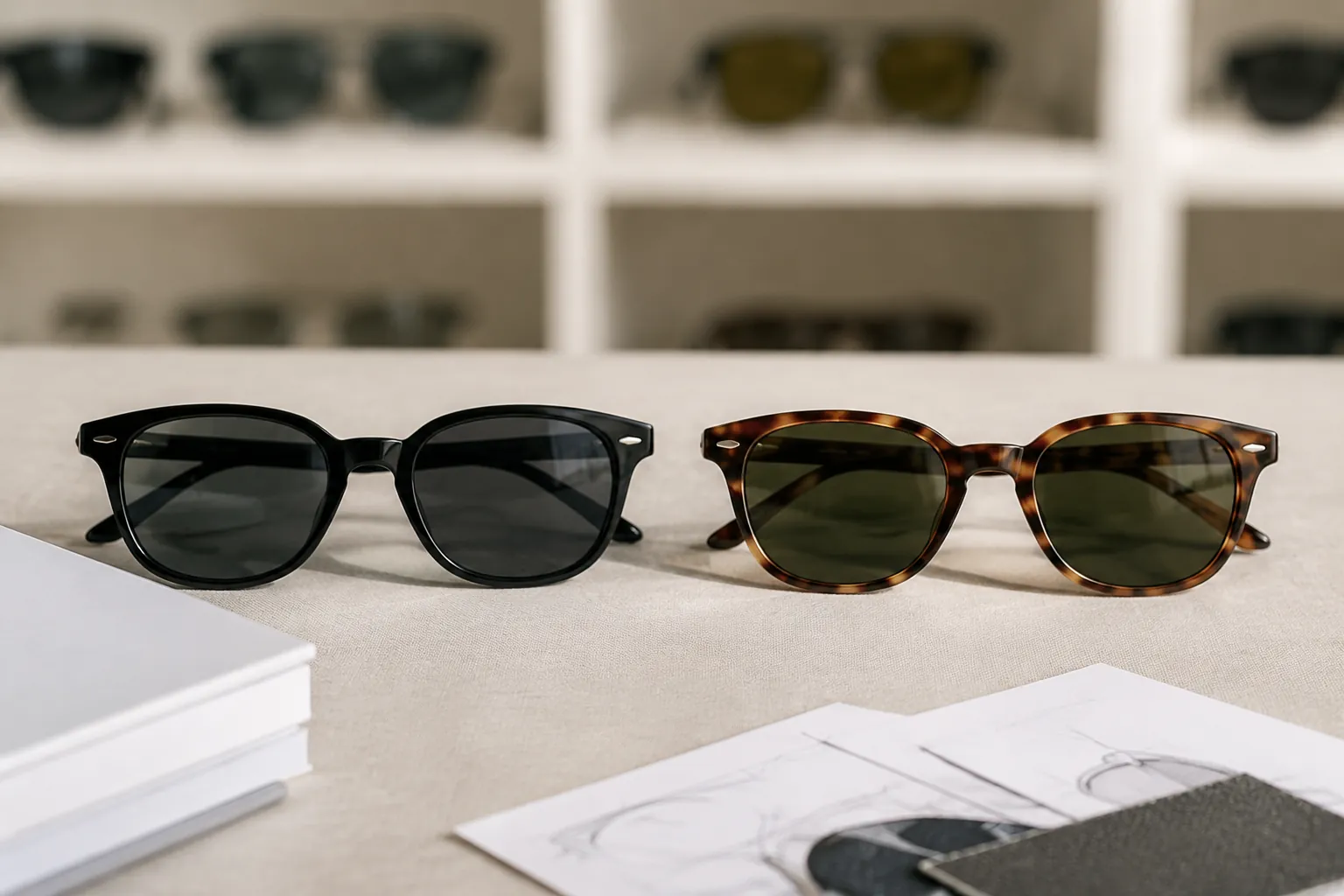
For event sunglasses, unit price is rarely the biggest risk. Problems usually show up after approval: logos rub off in transit, frame color misses the brand standard, hinges feel uneven, lenses arrive scratched, or a rush order slips because the quote assumed standard tooling and basic packaging. This guide covers what B2B buyers should specify before asking for quotes and before approving artwork. The goal is simple: make the order easier to produce, inspect, ship, and distribute. It is written for brands, importers, distributors, and retailers that need repeatability, compliance support, and fewer avoidable problems.
1) Define the use case before picking the frame
Start with the job, not the mockup. A festival giveaway, an influencer mailer, and a retail promo pack may look similar in photos, but they do not need the same build.
Ask four practical questions first:
- Wear duration: one event day, one season, or repeated long-term use?
- Brand visibility: is the logo doing most of the work, or is frame color the main brand cue?
- User profile: adult general fit, youth fit, mixed audience, or a more premium retail customer?
- Handling intensity: individually packed, loose in cartons, repacked by event staff, or displayed on shelves?
Those answers affect frame material, lens tint, hinge construction, decoration method, and packaging. For a one-day handout, a standard injection-molded frame with a simple print may be enough. For sunglasses meant to be photographed, kept, and worn after the event, buyers usually need tighter color control, stronger print adhesion, and more consistent finishing.
It helps to sort the order into three levels:
| Use case | Typical volume | Recommended build | Where failures usually happen |
|---|---|---|---|
| Mass giveaway | High-volume event orders | Injection frame, standard lens tint, simple print, bulk-efficient pack | Print rub, lens scuffing, inconsistent sorting in mixed cartons |
| Trade-show or campaign promo | Mid-volume campaign orders | Better color control, cleaner logo placement, optional pouch | Color mismatch, inconsistent print position, rushed packing |
| Retail promo or premium activation | Lower-volume premium orders | Higher-finish build, stronger branding method, individual pack | Surface defects, fit complaints, packaging damage |
A common mistake is to over-specify appearance and under-specify structure. Gloss does not fix a weak hinge. A good mockup does not fix poor ink adhesion. Lock the wear scenario first. Then build the spec around it.
2) Choose decoration by abrasion risk, not habit
"Logo on the temple" is not a full specification. Buyers should define method, position, size, color or finish, expected durability, and the exact substrate. Decoration performance can change a lot between matte injection plastic, glossy plastic, and acetate.
| Decoration method | Typical logo size | Durability level | Best use | Main buyer checks |
|---|---|---|---|---|
| Pad printing | Small to medium logos, depending on temple shape | Medium | Giveaways, simple brand marks, lower setup complexity | Request a rub-test sample, ink system details, and print position tolerance |
| Laser engraving | Fine line logos, text, subtle marks | High | Darker plastics, understated branding, repeated handling | Confirm contrast on the actual frame color; some materials show low visibility |
| Metal logo plate or inlay | Small to medium premium mark | High | Retail promos, premium event kits, stronger brand presence | Check attachment method, edge smoothness, thickness, and snag risk |
| Molded relief or debossed logo | Built into the tool design | Very high | Long-running programs with repeated orders | Requires tooling decisions early and is less flexible for late design changes |
For printed logos, ask for process detail. A useful approval note states the print area, target location, and acceptable shift. Example: logo centered on outer temple, measured from the hinge reference point, with a stated placement tolerance and no visible ink break across the top curve. Also ask whether the print is air-dried, heat-cured, or UV-cured. That affects adhesion and production flow.
Test durability under real handling conditions. If pairs will be packed loose, stacked temple-to-lens, or repacked on site, a print that looks fine on a clean sample may fail fast in distribution. Approve decoration on the exact frame material and exact frame color being ordered. A logo that looks sharp on a white sample can disappear on a curved black or translucent temple.
If timing is tight, do not change the frame finish after print approval. Matte, gloss, rubberized, and polished acetate surfaces do not behave the same.
3) Material choice affects comfort, consistency, and lead time
Material is not just a cost variable. It affects weight, stiffness, fit, print behavior, freight, and production speed.
Injection-molded plastic is often the most practical option for event volume because it supports repeatable shape, stable dimensions, and the use of existing tooling where available.
Acetate usually gives a denser, more premium hand feel and can support a stronger retail impression, but it is often more labor-intensive because cutting, polishing, and fitting involve more manual work.
CNC-machined builds can suit niche shapes or specialized finish requirements, but they are generally a poor fit for rush timelines.
For fit, ask for actual measurements, not a vague "adult size." Useful numbers include:
- Lens width, bridge width, and temple length
- Overall frame front width
- Approximate unit weight
- Hinge type and screw construction
- Whether the frame uses existing tooling or needs new tooling
Fit failures usually come from temple pressure, bridge discomfort, or a front curve that does not suit a broad audience. Try the sample on several people, not just one internal approver. Short try-ons can be misleading.
Material also affects decoration life. A temple with high flex can fatigue a printed logo faster. A very smooth polished surface may need different preparation to improve adhesion. A heavier acetate frame may feel better in hand, but that does not make it right for a high-volume one-day giveaway.
Lead time follows structure. Existing molds usually support faster sampling and production. New tooling, unusual lens cuts, molded logos, or non-standard hinge construction can slow both development and bulk production. Ask what assumptions the supplier used in the quoted timeline. Do not guess.
4) Set color standards and tolerances in writing
Color disputes are common in promotional eyewear. Plastic color can shift with resin lot, molding conditions, and surface finish. Logo color can read differently depending on substrate color, gloss level, and ink laydown. Lens tint can vary visibly unless the target is clearly defined.
If your brand uses Pantone or another color standard, state it clearly and identify the priority area: frame front, temple exterior, lens tint, or logo. In many event programs, frame color is the main visual cue. Treat it that way.
Useful control steps include:
- Approve one physical master sample, not just a rendering.
- State in writing whether production should match the physical sample or the color reference if the two differ.
- Confirm whether internal or less visible parts may vary more than external visible surfaces.
- Review lens tint in daylight as well as under indoor lighting.
Ask direct process questions. Is lens tint produced in-house or outsourced? Is the batch checked against the master sample before packing? Are left and right lenses checked for visible mismatch? These points matter because sunglasses are viewed side by side, and obvious shade variation across one shipment makes the whole order look uncontrolled.
Even if the factory manages coloring and tinting internally, approvals still need discipline. Do not approve one finish and then switch to another texture or resin family without rechecking. Matte black, gloss black, and translucent smoke can all change how the same logo color reads.
5) Packaging and transit can ruin a good order
Many post-arrival complaints are not manufacturing defects. They are packing defects. A well-made frame can still arrive with scratched lenses, rubbed logos, or deformed temples if packaging and carton setup were never defined.
Promo buyers should decide whether each pair is packed in:
- Bulk carton only
- Polybag
- Pouch
- Window box or rigid box
Each option changes labor, unit cost, carton count, and damage risk. Bulk packing is usually the lowest-cost option, but it puts more pressure on lens hardness, print adhesion, and nesting behavior. Individual packaging costs more but can reduce handling damage and make event distribution easier.
Ask operational questions, not just packaging names. Do folded temples allow logo-to-logo rubbing? Do lenses touch adjacent frames? Can pairs nest without pressure marks? Will event staff open and repack cartons later? If yes, the inner pack should be easy to handle without creating dust issues, adhesive residue, or SKU confusion.
For QC before packing, request at least a basic checklist covering lens scratches, hinge action, logo position, visible color mismatch, count accuracy, and carton marking. For time-sensitive jobs, packed-sample approval and pre-shipment carton photos are simple controls that help. Certifications such as ISO 9001 and BSCI may support supplier evaluation, but they do not replace product-specific inspection.
6) Compliance must match the destination market
Event sunglasses are still eyewear. If the product is meant to be worn outdoors as sunglasses, do not treat it as a toy, costume prop, or generic novelty item. Market requirements vary, so ask for the relevant compliance support at quote stage, not after cargo is booked.
Relevant documentation may include support for CE EN ISO 12312-1, FDA registration, ANSI Z80.3, AS/NZS 1067, and material compliance such as REACH. Process certifications such as ISO 9001 and social compliance programs such as BSCI can help assess the supplier, but they are not substitutes for product compliance.
Buyers should align requirements by market:
- EU: request support for CE EN ISO 12312-1 and REACH material compliance.
- US: confirm FDA registration status and whether the product specification is intended to meet the applicable requirements of ANSI Z80.3.
- Australia/New Zealand: verify suitability against AS/NZS 1067 before launch.
Do not accept vague wording such as "approved" or "export quality." Ask what report, declaration, or registration supports the claim, whether it applies to the exact lens category and frame configuration being quoted, and whether the documents are current. If you sell through retail or a regulated distributor channel, compliance paperwork should be part of supplier qualification before the purchase order is released.
7) MOQ, pricing, and lead time only mean something after the spec is fixed
Price breaks are meaningless if the build is still moving. Buyers often compare quotes before locking decoration method, color target, packaging, or tooling assumptions. That creates false comparisons because the quoted products are not actually equivalent.
| Order size | Typical use | Most important cost drivers | What buyers should freeze first |
|---|---|---|---|
| Small runs | Small event, market test, premium kit | Setup cost, sample revisions, individual packaging | Frame style, one lens tint, one logo method |
| Mid-volume orders | Repeat promo campaign | Color matching, print position control, pouch or box choice | Master sample, color target, packing style |
| High-volume orders | Festival, distributor program, mass giveaway | Labor efficiency, QC scope, freight mode, carton configuration | Final approved sample, carton packout, compliance document set |
When reviewing pricing, ask whether the quote assumes existing tooling, a standard lens shape, standard decoration, standard packaging, and one-round approval. If those assumptions change, the unit price may change too.
Lead time needs the same discipline. Sample timing often assumes straightforward customization and prompt artwork approval. Bulk timing often assumes approved samples, standard materials, and no structural changes after confirmation. New tooling, custom packaging, molded logos, or repeated sample corrections can all extend the schedule.
For rush orders, ask one direct question: what part of this specification is most likely to delay production? Typical risk points include new tooling, non-standard color matching, metal logo components, and complex retail packaging. Freeze the frame before final artwork. Freeze the packaging before mass production. Late changes usually cost more than they save.
8) Buyer checklist before artwork approval and PO release
Before sending final artwork or issuing the purchase order, make sure the technical and commercial points below are closed. This is where many preventable delays start.
- Confirm the destination market and required compliance documents.
- Specify frame material and whether existing tooling or new tooling will be used.
- List frame measurements, fit category, and approximate weight if relevant.
- Choose the decoration method and approve it on the exact frame color and material.
- Define logo position, size, orientation, and acceptable placement tolerance.
- Approve one physical master sample for color, finish, and construction.
- Confirm the lens tint target and acceptable variation standard.
- Decide the unit pack: bulk, polybag, pouch, or box.
- Specify carton marks, master carton quantity, and mixed-SKU rules.
- Lock the sample timeline, bulk timeline, and pre-shipment QC or photo checkpoints.
For overseas buyers, the cleanest process is simple: define the use case, approve the master sample, confirm compliance support, and then release production. Even a capable factory cannot compensate for missing specifications. Promotional sunglasses are easier to buy well when the order is built around abrasion risk, fit, color control, packaging, and schedule discipline, not the mockup alone.
Have a custom sunglasses project in mind?
Send us your styles, target market and quantities and we will return a detailed quote with MOQ, lead time and a sample plan.
Get a QuoteWhy source this from Wenzhou with LumiShades
Wenzhou in Zhejiang Province is widely regarded as China’s eyewear manufacturing capital, producing a large share of the world’s sunglasses. That concentration matters to buyers: a deep local supply chain for acetate sheet, hinges, lens blanks, plating and packaging means shorter component lead times, easier color and material matching, and a workforce with decades of eyewear-specific skill. LumiShades has manufactured in this ecosystem since 2009, and our vertical integration — in-house injection molding, acetate cutting, CNC milling, lens tinting, decoration and quality control — means no part of your order is quietly subcontracted to a workshop you cannot audit.
For international buyers, that vertical control translates into accountability. When a single factory owns every step, defects are traced and fixed at source rather than bounced between vendors, and your specifications survive intact from first sample to bulk. We back this with 15+ years of experience, shipments to 60+ countries, more than 5 million pairs produced per year and a 98.5% on-time delivery rate. Our certifications — CE EN ISO 12312-1, FDA registration, ANSI Z80.3, AS/NZS 1067, REACH, ISO 9001 and BSCI audit — mean the compliance documentation your market requires already exists. Explore our manufacturing capabilities and quality control process to see how this works in practice.
Frequently asked questions
What should I specify first for event sunglasses: frame, lens, or logo? Start with the use case and destination-market compliance requirements. Then confirm the frame style and material, including whether it uses existing or new tooling. Next lock the lens tint and category required for the market, and only then finalize the logo method and artwork placement on the approved sample. In practice, send suppliers a specification sheet that lists use case, market, frame code, material, lens tint, decoration method, packaging, and required documents before asking for final pricing.
Is pad printing durable enough for giveaways? Often yes, if the product is for short-term promotional use and the temple surface is suitable for printing. Durability depends on the substrate, ink system, curing method, and how the sunglasses will be packed and handled. Ask the supplier for a printed sample on the exact frame material and color, request a rub-test check, and confirm whether pairs will be packed in a way that limits print-to-surface abrasion. If the order will be handled repeatedly or packed loosely in bulk, consider laser engraving, molded branding, or a metal logo solution instead.
How do I keep frame color consistent across a large promo order? Approve one physical master sample and provide a clear color reference such as Pantone for the visible frame areas. Then state in writing whether bulk production should match the physical sample or the color standard if the two differ. Ask the supplier to confirm its color-control process for resin, lens tint, and final packing inspection, and request that visible external surfaces be checked for consistency before shipment. If color is critical, do not change finish, resin family, or logo color after sample approval without a new confirmation sample.
What compliance documents should I request before placing an order? Request documents based on the destination market and the intended use of the product. For the EU, ask about CE EN ISO 12312-1 support and REACH material compliance. For the US, confirm FDA registration status and whether the specification is intended to meet applicable ANSI Z80.3 requirements. For Australia and New Zealand, ask about AS/NZS 1067 suitability. Also distinguish product compliance from supplier-level credentials such as ISO 9001 and BSCI. Before placing the order, verify that the documents relate to the same product category, lens type, and construction being quoted.
What is the most effective way to compare supplier quotes for promo sunglasses? Compare quotes only after sending the same specification to every supplier. At minimum, the comparison sheet should include frame style, material, tooling status, lens tint, logo method, packaging type, compliance requirements, sample assumptions, and production timeline. Then ask each supplier to state what is included and excluded in the price: sample cost, artwork setup, packaging, carton labeling, pre-shipment inspection support, and document support. Without that level of alignment, the lowest quote may simply reflect a different and weaker specification.
Ready to start?
Explore our wayfarer sunglasses or request a quote — our sales team replies within 12 hours.
Request a Quote