
UV400, Category 3, or Polarized by Sales Channel
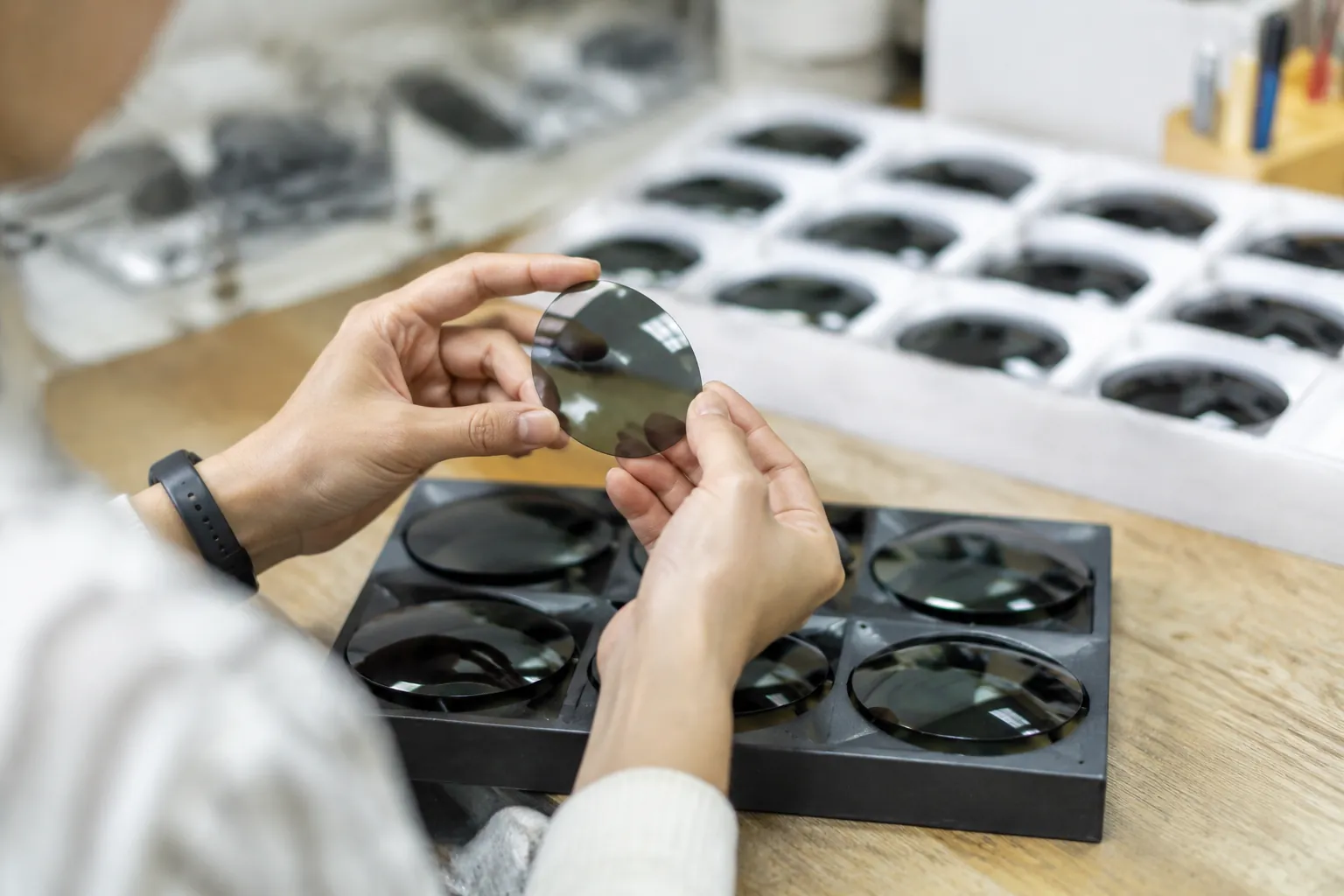
Overseas buyers do not need more lens jargon. They need to know which spec helps sell-through in retail, travel, or promotional programs, and which spec adds cost, time, or return risk. This guide is for brands, importers, distributors, and retailers buying custom sunglasses in volume. It breaks down UV400, Category 3, and polarized lenses by channel, margin, compliance, tolerances, and complaint risk so you can spec the right product before sampling starts.
Start With the Channel
Most sourcing mistakes happen before the sample round. Buyers choose a lens spec because it sounds premium, then try to force it into a channel where it does not belong. That is backwards.
Start with the sales environment. What is the customer doing? What price can the buyer hold? Can store staff explain the product in one sentence? If the answer is no, the spec is probably too complicated.
Retail needs perceived value and low return risk. Travel needs obvious glare control. Promotional programs need low cost, simple decoration, and broad acceptability. UV400 is a protection claim. Category 3 is a visible light transmission range. Polarized reduces glare. They solve different problems.
For private-label buyers, the real question is not whether a factory can make these lenses. It is whether the spec supports the channel economics. At small order quantities, you can test a concept with limited risk. At larger volumes, the wrong lens choice turns into dead stock, slow sell-through, or margin compression.
Spec from the end customer backward. If the buyer needs a summer fashion SKU, keep the lens simple. If the use case is driving or beach wear, add polarization only when the retail story supports it. If the order is for giveaways or branded events, keep the lens clean and the decoration durable.
If the channel does not need the feature, do not pay for it.
What Each Spec Means
Buyers often treat these terms as interchangeable. They are not. Each one affects a different part of the product and a different part of the sourcing equation.
| Spec | What it means | Buyer value | Common mistake |
|---|---|---|---|
| UV400 | Lenses are designed to block UVA and UVB up to 400 nm | Baseline UV protection claim that is easy to explain at retail and easy to print on packaging | Assuming UV400 also means dark tint, anti-glare, or premium perceived value |
| Category 3 | Visible light transmission falls in the dark-sunglasses range, typically suitable for strong sunlight | Good for everyday outdoor wear, commuting, beach, and general travel | Using it for indoor markets or low-light climates where the tint feels too dark |
| Polarized | A filter reduces reflected glare from flat surfaces like water, roads, dashboards, and glass | Best for driving, beach, fishing, boating, and outdoor sports | Assuming every shopper will immediately notice the benefit or accept the added price |
UV400 is the baseline. Category 3 is a brightness choice. Polarization is a use-case choice. A lens can be UV400 and Category 3 without being polarized. A polarized lens can also be UV400 and Category 3. That combination is common for higher-value SKUs, but only if the channel supports the price increase.
Production matters too. UV protection should be verified with the test method required by the destination market. Tint density should stay within the agreed visible light transmission range. If a customer approved a medium-dark amber lens, they do not want one lot drifting gray and the next lot drifting brown. Tight control lowers complaints.
Do not oversell the stack. A promo buyer wants a simple story and a clean logo. A fishing retailer may want lens-performance language and a shelf talker. Match the message to the channel. Always.
Retail: What Actually Sells
Retail buyers usually need two things at once: a clean price point and a reason the customer will pay more than for a generic pair. UV400 alone is table stakes. It helps the compliance story, but it rarely differentiates a retail SKU unless the channel is very price-sensitive or the frame design is unusually strong.
Category 3 works well for general retail because it matches how most consumers use sunglasses: bright outdoor wear, commuting, walking, beach trips, and weekend travel. A dark, comfortable tint is easy to understand. It also gives the buyer a cleaner merchandising story than a technical claim that needs explanation.
Polarized works best in retail when the shop can explain the use case on the shelf, online, or in product copy. If staff cannot explain why glare reduction matters, conversion can drop and the feature becomes an invisible cost. In that case, you are paying for a line item the shopper may never value.
For apparel-led stores, a polished acetate or TR90 frame with a reliable Category 3 tint often outperforms a complicated feature stack that raises landed cost without raising sell-through. Keep the offer simple if the channel is simple.
Think in tiers:
- Best retail starter: UV400 + Category 3 on a clean fashion frame
- Best retail upgrade: UV400 + Category 3 + polarized for driving, beach, or outdoor sections
- Avoid overloading low-ticket frames with features shoppers will not notice
- Lock the frame platform first, then vary lens spec by channel or account
The same frame platform can be built in multiple lens specs. That helps buyers compare sell-through without changing molds, temple decoration, or packaging structure.
Travel and Outdoor: Where Polarized Pays
Travel retail, resort shops, outdoor shops, and active-lifestyle accounts are where polarized lenses usually earn their keep. Glare is a real problem in cars, on water, around snow, and against glass surfaces. Customers feel the difference fast. That makes the feature easier to sell and easier to justify at a higher price point.
For these channels, UV400 alone is rarely enough if you want a premium position. Category 3 is usually the right base tint because it keeps brightness under control in strong sun without becoming uncomfortably dark. Add polarization if the use case includes driving, boating, fishing, hiking near water, or long beach exposure.
There is a catch. Polarized lenses can interfere with LCD screens, some instrument panels, and certain phone displays. That is not a defect. It is a product-fit issue. If the channel serves office commuters, rideshare drivers, or shoppers who rely heavily on phone screens and dashboard displays, the sales team should be ready to explain the trade-off.
From a sourcing standpoint, polarized programs need tighter QC than standard tinted programs. Ask for a clear polarization orientation, batch consistency checks, and visual inspection under matched light conditions. If possible, approve samples in the same frame color and lens color you intend to reorder. A tint can look different once mounted in a darker or lighter frame.
For export orders, the compliance file should match the destination market and the claim you intend to print. Use the standards that apply to the market and product, and avoid listing documents you cannot support. Real references for sunglasses programs commonly include CE EN ISO 12312-1, ANSI Z80.3, AS/NZS 1067, REACH, FDA registration, ISO 9001, and BSCI, depending on the customer and destination.
Promotional Programs: Keep It Simple
Promotional sunglasses are cost-sensitive. The buyer usually wants volume, fast delivery, decoration accuracy, and low defect rates. The product has to survive imprinting, packaging, and distribution through non-specialist channels.
UV400 is usually the right answer here. It gives you a useful protection message without adding much cost or complication. Category 3 can also work if the campaign is tied to summer, outdoor events, travel, school sports, or festivals. Polarized is usually too expensive for mass promotion unless the order size and client brief clearly support it.
At smaller quantities, a polarized lens can push landed cost high enough to hurt margin if the giveaway value is the real selling point. That is the trade-off. The feature is nice. The numbers still have to work.
Decoration matters as much as lens choice. Pad printing is usually the most economical for logos and short runs, but it needs a stable surface and proper ink cure. Laser engraving works well on metal or selected acetate details when you want a clean, durable mark. A metal logo plate adds a premium feel but increases parts count and assembly complexity.
Use the right sequence:
- Start with the end use: event giveaway, staff gift, retail resale, or travel item.
- Choose the light-transmission level before decoration.
- Only add polarization if the channel can explain it in one sentence.
- Request pre-production samples in 7-10 days and confirm print or laser placement before bulk.
- Set a decoration tolerance for logo position and color match before production begins.
Promo buyers should focus on durability and brand clarity, not feature stacking. A clean UV400 pair with stable pad printing often beats a feature-heavy lens that misses the price target or arrives with inconsistent decoration.
Cost, Lead Time, and Trade-Offs
The right lens spec is not just about optics. It changes sourcing cost, defect risk, packaging complexity, and sometimes lead time. The factory has to tint, coat, inspect, and pack the lenses correctly, and every added feature creates another place to fail.
In practical buying terms, UV400 is usually the simplest and fastest to produce. Category 3 adds more control over tint density and visual consistency. Polarized adds extra material, extra processing, and more QC checks. That usually means more cost per pair and more time per batch, even if the absolute lead-time increase is not dramatic.
| Lens spec | Typical channel fit | Cost pressure | Lead-time impact | Main risk |
|---|---|---|---|---|
| UV400 | Promo, entry retail, broad general use | Lowest | Lowest | Too plain for premium retail |
| UV400 + Category 3 | Retail, travel, outdoor general | Moderate | Low to moderate | Wrong tint density for the market |
| UV400 + Category 3 + polarized | Travel, driving, fishing, outdoor retail | Highest | Moderate | Consumer complaints about screens and price |
| UV400 + polarized, lighter tint | Driving and lifestyle retail where screen use matters | High | Moderate | Benefit is less obvious in very bright sun |
For volume buying, the sweet spot is usually the spec that supports the highest sell-through without crossing the margin line. If a polarized version lets you raise retail price enough to cover its cost and preserve margin, use it. If not, keep the lens simpler and spend the money on frame finish, lens consistency, better packaging, or stronger decoration.
Lead time also depends on how final the design is when the order is placed. A simple stocked frame with a standard tint can move quickly. A new frame color, a custom lens tint, a branded pouch, and special packaging all add setup steps. When a factory controls more of the process in-house, handoffs can be reduced. That helps keep bulk lead times manageable after sample approval.
Define acceptable tolerances before production. A slight tint variation may be acceptable for promotional UV400 programs, while polarized retail programs usually need tighter visual consistency across batches. The same logic applies to temple opening force, logo placement, and lens centering. Smaller tolerance windows reduce surprises, but only if they are realistic.
How to Spec the Lens With Your Factory
Most disputes come from vague paperwork. Do not write "dark lens" or "premium lens." State the actual requirement and the acceptable tolerance. The more specific the brief, the fewer sample rounds you need.
Start with the intended market, then state the lens requirement in plain language. If you need UV400 only, say that. If you need UV400 plus Category 3, state the preferred tint color, the target use case, and the acceptable range for visual density. If you need polarized, ask the factory to confirm polarization orientation, visual clarity, and any screen-related trade-off that matters for the channel.
- Define the lens type: UV400 only, UV400 + Category 3, or polarized
- State the target market and use case: retail fashion, travel, driving, promo, or outdoor
- Ask for compliance documents tied to the destination market: CE EN ISO 12312-1, ANSI Z80.3, AS/NZS 1067, REACH, FDA registration as applicable
- Confirm logo method: laser engraving, pad printing, or metal logo plate
- Request sample approval against the actual frame color and lens tint, not a generic reference
- Define acceptable tolerances for tint variation, logo position, and cosmetic defects before mass production
Material behavior matters. Acetate frames often pair well with richer fashion tints and premium retail positioning. TR90 or injected frames are often better for lightweight, cost-sensitive, or sport-led programs. A dark Category 3 lens can look stronger in a thicker acetate frame, while a polarized program may benefit from a cleaner lens presentation so the glare-control story stays clear.
For brands with multiple channels, standardize frames and vary lens spec by market. One frame platform. Two or three lens programs. That keeps tooling stable, simplifies inventory, and makes replenishment easier when one channel outsells the others.
A Practical Decision Rule
Use this rule set and you will avoid most bad buys. The goal is not to maximize feature count. The goal is to maximize sell-through at the right margin.
| Channel | Recommended spec | Why it usually works |
|---|---|---|
| Mass promo | UV400 | Lowest cost, easiest to explain, fewer complaints |
| General retail | UV400 + Category 3 | Balanced protection, comfort, and shelf appeal |
| Travel, driving, fishing | UV400 + Category 3 + polarized | Glare control is visible and worth paying for |
| Value fashion retail | UV400 + Category 3 with strong frame finish | Looks premium without forcing a feature the shopper may not use |
Sell-through beats spec purity. A technically nice lens that misses the channel is a bad buy. A simpler lens that moves off the shelf and keeps returns low is the better SKU.
For overseas buyers, the useful path is direct: send the target channel, target price, target quantity, and target compliance market first. Then let the factory build the lens spec around that. That approach reduces sample churn, improves quote accuracy, and helps you decide whether the premium feature is actually paying for itself.
The best lens spec is the one your channel can sell without a long explanation.
Have a custom sunglasses project in mind?
Send us your styles, target market and quantities and we will return a detailed quote with MOQ, lead time and a sample plan.
Get a QuoteWhy source this from Wenzhou with LumiShades
Wenzhou in Zhejiang Province is widely regarded as China’s eyewear manufacturing capital, producing a large share of the world’s sunglasses. That concentration matters to buyers: a deep local supply chain for acetate sheet, hinges, lens blanks, plating and packaging means shorter component lead times, easier color and material matching, and a workforce with decades of eyewear-specific skill. LumiShades has manufactured in this ecosystem since 2009, and our vertical integration — in-house injection molding, acetate cutting, CNC milling, lens tinting, decoration and quality control — means no part of your order is quietly subcontracted to a workshop you cannot audit.
For international buyers, that vertical control translates into accountability. When a single factory owns every step, defects are traced and fixed at source rather than bounced between vendors, and your specifications survive intact from first sample to bulk. We back this with 15+ years of experience, shipments to 60+ countries, more than 5 million pairs produced per year and a 98.5% on-time delivery rate. Our certifications — CE EN ISO 12312-1, FDA registration, ANSI Z80.3, AS/NZS 1067, REACH, ISO 9001 and BSCI audit — mean the compliance documentation your market requires already exists. Explore our manufacturing capabilities and quality control process to see how this works in practice.
Frequently asked questions
Is UV400 enough for most private-label sunglasses orders? Yes, for many promo and entry retail programs. UV400 covers the protection message and keeps cost down. It is usually not enough if the channel needs glare control, a darker outdoor tint, or a premium story that can justify a higher retail price. If you are unsure, start with UV400 plus a simple tint and test sell-through before adding features.
When should I choose Category 3 over polarized? Choose Category 3 when you want a dark outdoor lens without the higher cost, extra QC, or customer education needed for polarization. It works well for general retail, travel basics, and lifestyle programs where the main benefit is comfort in bright light. Choose polarized only when glare reduction is a clear selling point for the channel, such as driving, beach, boating, or fishing.
Does polarized always sell better? No. Polarized sells better only when the buyer understands the use case and the customer can see the benefit quickly. In channels where staff cannot explain glare reduction, the feature can raise cost without improving sell-through. A good buying test is simple: if the retailer cannot explain the benefit in one sentence, polarized may be too hard to merchandise.
What tolerances should I ask for on custom sunglasses? Ask for tolerances on tint variation, logo placement, lens centering, and cosmetic defects before production starts. Promo programs can usually accept wider cosmetic variation than retail programs. Polarized or premium retail programs should use tighter batch consistency checks and sample approval against the final frame and lens color. Put the tolerance limits in the purchase order or spec sheet, not only in email.
What documents should I ask for on export orders? Ask only for documents that match the destination market and the claim you plan to make. Common references for sunglasses programs are CE EN ISO 12312-1, ANSI Z80.3, AS/NZS 1067, REACH, FDA registration, ISO 9001, and BSCI, depending on the program. Do not request standards that do not apply to the market or product, and do not treat one document as proof of compliance for every destination.
How fast can a custom lens program move? Lead time depends on the frame, lens spec, decoration method, packaging, and order size. The fastest way to shorten the program is to lock the frame, tint, logo method, and compliance target before sample approval. Once those items are fixed, a factory can quote a more realistic timeline for samples and bulk production.
Ready to start?
Explore our wayfarer sunglasses or request a quote — our sales team replies within 12 hours.
Request a Quote