
Polarized Sunglasses OEM: Specs That Cut Returns
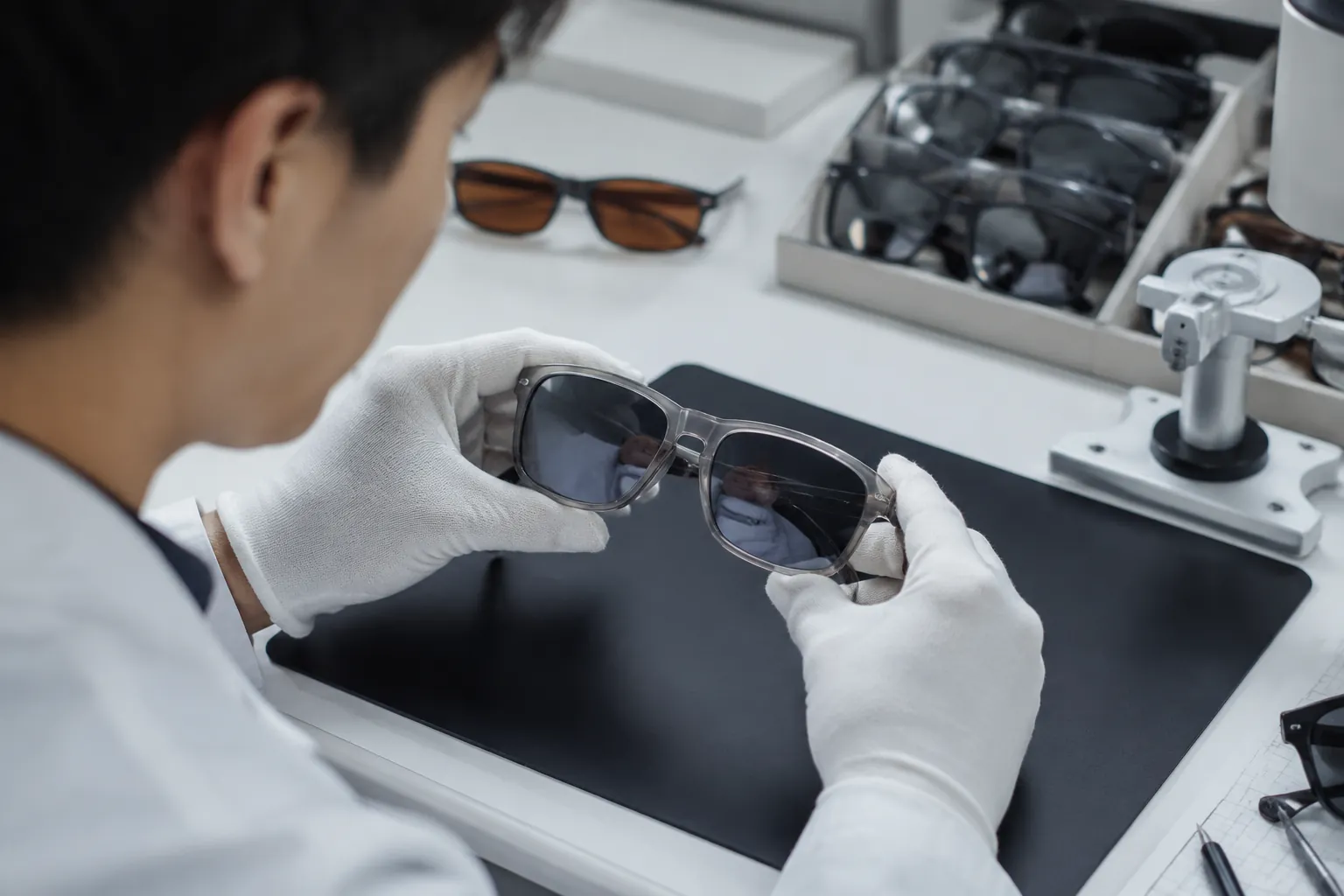
Polarized sunglasses fail for predictable reasons: the wrong lens build, rotated polarization, tint drift, weak coating control, or poor fit between lens and frame. These problems are basic. They are also expensive. This guide is for brand owners, importers, distributors, and retailers that need bulk production to match the approved sample. It focuses on the specs that affect glare reduction, compliance, and return rates.
1) Start with the use case, not the lens label
"Polarized" describes one lens function. It is not a full product brief. Before you request samples, define the use case: fishing, driving, golf, beach retail, fashion, or general outdoor wear. That choice should drive lens color, visible light transmission, frame type, and whether you need a mirror coating or a quieter finish.
Many complaints start with mismatched expectations. A dark lens may still feel wrong on bright water if the color cast is poor. Brown polarized lenses can improve perceived contrast for some outdoor uses. Gray lenses usually keep colors more neutral. For driving, buyers often care more about clarity, color balance, and distortion control than a dramatic tint. For lifestyle retail, pair-to-pair consistency may matter more than a technical sales claim.
Decide these items first:
- Lens color family: gray, brown, green, or mirror-coated over a polarized base.
- Target visible light transmission, if the market or price point requires it.
- Frame type: full frame, metal, acetate, injection, or sports wrap.
- Retail price point and acceptable defect level.
One production system for lens, frame, and finishing can reduce mismatch risk. But that is not the main point. The real requirement is simple: approved sample, written spec, and production checks must all follow the same standard.
2) Three specs control glare performance
Asking for "polarized lenses" is not enough. Put three details in writing: polarization orientation, lens construction, and tint or visible light transmission.
Polarization orientation is the alignment of the polarizing film inside the lens. If the lens is cut or installed at the wrong angle, glare reduction drops. Left and right lenses may also feel uneven. This is a bigger risk on wrap and sports frames, where the viewing angle changes across the lens.
Lens construction means the material and optical build. A polarized PC lens, nylon lens, and CR-39 style lens do not behave the same way. The right choice depends on frame type, impact needs, cost target, and clarity requirements.
Tint and visible light transmission affect comfort and category fit. Two polarized lenses can both reduce glare, but one may be too dark for overcast days and another too light for strong sun. If you do not specify the target, the factory may use its default tint. That default may not fit your channel.
For bulk orders, request a written sample-approval sheet. It should record lens color, lens material, polarization orientation, surface finish, mirror details, and decoration details. Do not rely on "same as sample" unless the sample is tied to a written standard.
3) Match lens construction to the frame
Polarized lenses are not interchangeable across frame types. Frame design affects which lens constructions are practical and how much assembly control you need.
| Lens / frame match | What it does well | Main risk | Buyer note |
|---|---|---|---|
| PC polarized in injection frames | Lightweight and suitable for high-volume styles | Scratch resistance and optical quality need tight control | Useful for mass retail when QC is clear |
| TA/nylon polarized in sports frames | Better impact behavior and suitable for wrap styles | Higher cost; curvature needs careful orientation control | Often used for active and driving styles |
| Acetate frame with polarized CR-39 style lens | Premium look and stable retail presentation | More handling steps and longer process time | Common in mid-to-upper retail tiers |
| Polarized lens with mirror coating | Stronger shelf appeal and extra glare comfort | Mirror defects and coating adhesion failures | Ask for adhesion and abrasion checks |
The buyer question is direct: do you need a lower-cost polarized SKU that survives shipping and retail handling, or a higher-clarity style that supports a higher retail price? Choose the lens build from that answer. Do not expect a low-cost lens spec to perform like a premium one.
4) Write the spec sheet so production does not drift
A clear spec reduces rework. A vague spec creates disputes. Put these items on the purchase order and the approved sample sheet:
- Frame model, color code, and finish.
- Lens type: polarized, plus material and color.
- Polarization orientation requirement for each lens.
- Lens thickness target and acceptable tolerance.
- Front curve or wrap level, if applicable.
- Logo method: laser engraving, pad printing, or metal logo plate.
- Packaging standard and carton-mark details.
Cut vague phrases such as "good polarization" or "high clarity." They are not acceptance criteria. Use measurable requirements where possible. If you do not know the numbers yet, ask the factory for its working standard. Review it. Then lock it before mass production.
For wrap frames, require final lens-fit checks after assembly. Curved lenses are more sensitive to edge fit, side distortion, and rotational alignment. A lens can look acceptable on a tray and still perform badly after installation.
Also define what happens if logo placement, mirror coating, or frame color changes. Small visual changes can affect QC acceptance, especially for retail programs where the approved sample is the selling standard.
5) QC checks that catch real retail failures
Most returns come from a short list: wrong tint, lens distortion, polarization mismatch, coating scratches, and poor logo application. A simple QC plan catches most of these before shipment.
At minimum, ask for these checks before bulk release:
- Incoming lens color comparison against the approved sample.
- Polarization check on each batch using a glare-reduction test against a reflective surface or test screen.
- Left/right lens orientation verification.
- Fit check in the frame to confirm no stress marks, edge lift, or mounting distortion.
- Surface inspection for dust, scratches, coating haze, and print defects.
QC should not start at packing. If the factory tints lenses in-house, process checks need to happen during tinting and coating. Tint time, coating cure, and material batch can all change the final appearance and performance. This matters even more in mixed orders with several lens colors or finishes.
Short version: a polarized lens can pass a visual check and still fail in use. Test function. Not just appearance.
The goal is not to inspect every pair by hand in panic. The goal is to set a repeatable test method, a locked sample standard, and a release threshold the factory can follow.
6) Price, MOQ, and lead time: what moves the quote
Polarized SKUs usually cost more than plain sunwear. They add lens material cost, extra processing, and tighter QC. Frame style also changes the number. Complex wrap shapes, mirror coatings, and premium decorations increase cost.
Commercial terms vary by supplier, but pricing usually moves with order size, lens type, decoration, and packing complexity. A basic polarized injection style will not price the same as an acetate frame with metal logo plates and mirror coating. Ask for a written quote based on the final spec, not a generic "polarized sunglasses" request.
Use this order-size framework for planning:
| Order level | Commercial effect | What to expect operationally |
|---|---|---|
| 50 pairs/design | Entry-level MOQ | Best for market testing and small retail launches |
| 300 pairs | Better unit cost | Enough volume to spread setup cost across production |
| 1000 pairs | Stronger pricing break | More efficient packaging and QC flow |
| 5000+ pairs | Lowest unit-cost range | Best for chain retail and distributor programs |
Samples commonly take 7 to 10 days. Bulk production often takes 25 to 35 days when the spec is stable and no tooling changes are needed. If you change lens color, logo method, frame material, or packaging after approval, add time. That is normal. The biggest delay is often buyer-side changes after sample approval.
7) Compliance documents to request
Compliance is not optional. Ask for documents that match the destination market and product claim. One report rarely covers every region.
Use these references where applicable: CE EN ISO 12312-1 for Europe, ANSI Z80.3 for the U.S., AS/NZS 1067 for Australia and New Zealand, and REACH for chemical-substance restrictions where relevant. FDA registration may also matter for U.S.-bound eyewear programs. ISO 9001 relates to quality management systems. BSCI relates to social compliance. Neither replaces the product test standard required by the target market.
The test report, product spec, labels, and packing documents must tell the same story. If the carton label, product claim, and test file do not match, the shipment can become a paperwork problem even if the goods are acceptable.
Before placing the order, ask one direct question: which market claim is being made for this SKU? Build the document set around that claim. Do not assume one report solves every destination requirement.
8) Approval flow for your next polarized program
Use a simple approval flow. It reduces mistakes and keeps the production standard clear.
- State the target market, frame style, and use case.
- Choose lens color, material, and whether mirror or logo decoration is needed.
- Approve a written spec with polarization orientation and visual target.
- Review samples under real glare conditions, not only showroom lighting.
- Lock the sample and sign the production standard.
- Start bulk production with first-batch QC, then check carton packing and final random inspection.
If you are testing a market, start with one frame, one lens color, and one logo method. That is enough to learn whether the channel responds. Add variants after sell-through is proven. Too many versions too early make it hard to see what is actually working.
Polarized sunglasses can be a strong SKU, but only with disciplined specs. Define the use case. Lock the lens material and color. Control the polarization orientation. Match the frame to the lens build. Then require QC records that follow the product from sample to shipment.
Have a custom sunglasses project in mind?
Send us your styles, target market and quantities and we will return a detailed quote with MOQ, lead time and a sample plan.
Get a QuoteWhy source this from Wenzhou with LumiShades
Wenzhou in Zhejiang Province is widely regarded as China’s eyewear manufacturing capital, producing a large share of the world’s sunglasses. That concentration matters to buyers: a deep local supply chain for acetate sheet, hinges, lens blanks, plating and packaging means shorter component lead times, easier color and material matching, and a workforce with decades of eyewear-specific skill. LumiShades has manufactured in this ecosystem since 2009, and our vertical integration — in-house injection molding, acetate cutting, CNC milling, lens tinting, decoration and quality control — means no part of your order is quietly subcontracted to a workshop you cannot audit.
For international buyers, that vertical control translates into accountability. When a single factory owns every step, defects are traced and fixed at source rather than bounced between vendors, and your specifications survive intact from first sample to bulk. We back this with 15+ years of experience, shipments to 60+ countries, more than 5 million pairs produced per year and a 98.5% on-time delivery rate. Our certifications — CE EN ISO 12312-1, FDA registration, ANSI Z80.3, AS/NZS 1067, REACH, ISO 9001 and BSCI audit — mean the compliance documentation your market requires already exists. Explore our manufacturing capabilities and quality control process to see how this works in practice.
Frequently asked questions
What is the most important polarized lens spec to control in OEM production? Polarization orientation. If the lens is rotated incorrectly during cutting or assembly, glare reduction can drop even when the lens looks acceptable. Ask the factory to confirm orientation on the approved sample and in the bulk production standard.
Do I need to specify lens material as well as "polarized"? Yes. "Polarized" only describes the function. You still need to specify lens material, color, thickness, and frame type. These choices affect optical behavior, fit, cost, and QC requirements.
What MOQ should I expect for custom polarized sunglasses? MOQ depends on the supplier and build, but 50 pairs per design is a practical starting point for many custom programs. Pricing usually improves as volume increases. Confirm MOQ and quote against the final spec, not a generic product description.
How long do samples and bulk orders usually take? A common planning range is 7 to 10 days for samples and 25 to 35 days for bulk production when the spec is stable and no tooling changes are required. Changes to lens color, logo method, frame material, or packaging can extend lead time.
Which compliance documents should I ask for on polarized sunglasses? Ask for documents that match your destination market and product claim. Common references include CE EN ISO 12312-1, ANSI Z80.3, AS/NZS 1067, REACH, FDA registration where relevant, ISO 9001, and BSCI. Check that the test report, product label, and carton marking match the same SKU.
Ready to start?
Explore our square sunglasses or request a quote — our sales team replies within 12 hours.
Request a Quote