
ODM vs OEM Sunglasses: Lower-Risk Choice for Buyers
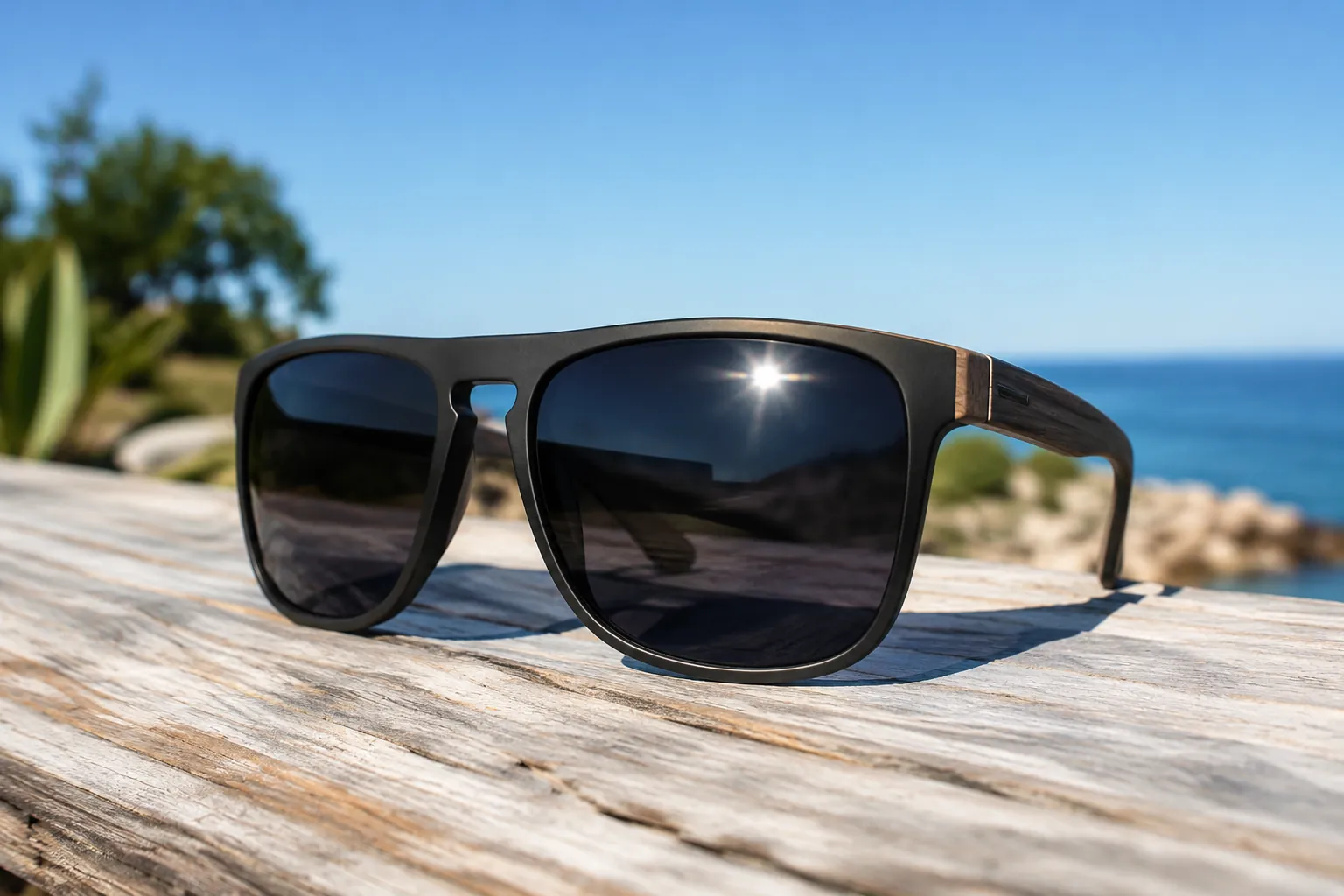
This guide is for importers, private label brands, distributors, and retailers deciding between an ODM frame and a fully custom OEM sunglass program. The wrong choice shows up later: missed launch windows, avoidable tooling spend, and weak reorder control. This is not a branding-versus-non-branding decision. It is a risk decision. How much development risk, compliance risk, and inventory risk do you want to carry at your current stage? Below, we break the tradeoffs into cost, lead time, MOQ, material behavior, decoration options, and compliance so you can choose the lower-risk model with your eyes open.
Start with the real question: what risk are you trying to remove?
Buyers often treat ODM versus OEM as a style choice. It is not. It is a risk choice.
ODM lowers development risk because the base frame, tooling, and production method already exist. OEM increases control, but it also adds drawings, mold work, correction rounds, and more points where the project can slip. Simple as that.
For sunglasses, the main risk buckets are predictable:
- Time risk: missing a seasonal sell-in, a trade show deadline, or a retail delivery window.
- Cash risk: paying for tooling, samples, and revisions before demand is proven.
- Compliance risk: changing lens or frame specs without checking the final configuration against the target market standard.
- Reorder risk: not being able to repeat color, logo placement, lens tint, or fit consistently across batches.
- Margin risk: building too much product complexity into a price point the market will not support.
The working rule is blunt. ODM is usually safer when you need to test demand fast. OEM becomes safer only after the concept is already validated and you want a proprietary shape, better fit, or more stable reorders. Neither is better in the abstract. They are safer at different stages.
Head-to-head: speed, cost, customization, and control
| Factor | ODM sunglasses | OEM sunglasses |
|---|---|---|
| Base design | Existing factory platform with proven tooling | New frame developed from your drawing, tech pack, or reference sample |
| Typical MOQ | Often 50-100 pairs per colorway or design, depending on lens and packaging | Commonly 300-1000+ pairs to justify tooling and setup costs |
| Sample timing | Usually 7-10 days for logo, color, lens, and packaging changes | Typically 15-30 days for prototype, plus time for corrections and mold work |
| Bulk lead time | About 25-35 days after sample approval | Often 35-60 days on the first order, then faster on repeat runs |
| Tooling cost | Low or none if the existing mold is used | Higher because new tooling or major mold modification is required |
| Customization range | Limited to what the base frame can support without affecting the mold | High control over shape, dimensions, hardware, finish, and branding details |
| Unit price logic | Best for testing; prices usually improve as volume increases | Better long-term margin if volume is stable enough to amortize development cost |
| Reorder control | Good if the approved BOM, lens standard, and color master are locked | Best when tooling ownership, tolerances, and spec control are clearly documented |
Example: a simple ODM acetate style with standard CR-39 or TAC lenses sits in a very different cost zone than an OEM style with custom hinge geometry, premium gradient lens, metal inlays, and gift-box packaging. At low volume, ODM usually protects margin better because you are not paying for engineering work you have not yet proven will sell.
Ask one more question: is the factory truly integrated? If molding, acetate cutting, CNC finishing, lens tinting, decoration, and QC are handled in-house, the project is easier to control. If each step is outsourced, risk goes up. Each handoff adds time.
Where ODM wins: faster launch, lower spend, fewer moving parts
ODM is not just putting a logo on a stock frame. A good ODM program still gives you useful brand control, but within the limits of a proven platform.
You can usually change frame color, lens color, mirror level, logo method, temple artwork, and packaging. Depending on the base frame, you may also adjust hinge hardware, temple tip color, or minor fit details. What you usually cannot do cheaply is move the bridge, rewrite the front geometry, or reshape the temple sweep without crossing into OEM.
The advantage is simple. The hidden failure points have already been worked out. The mold has run. Shrink behavior is known. The factory knows where the part tends to flash, where the polish needs more attention, and which decoration methods survive handling best. Fewer surprises. Better for first orders.
A typical ODM workflow looks like this:
- Select a base frame with the right silhouette and fit class.
- Confirm material route: injected plastic, acetate, or mixed construction.
- Lock the lens spec, tint, and target market compliance category.
- Choose the logo method: pad printing, laser engraving, metal plate, or hot stamping on packaging.
- Review and sign off a physical sample in 7-10 days if the supplier has the base platform in stock.
- Move to bulk production after approval, subject to material availability and production queue.
MOQ matters just as much as lead time. If the factory can start around 50 pairs per design, you can test two or three styles instead of betting on one. First-order pricing is usually higher than repeat pricing because setup and small-lot efficiency are spread across fewer units. That is normal. It matters more than a theoretical best unit price because the first job is learning, not scale.
ODM also makes packaging easier to manage. A simple pouch, microfiber cloth, insert card, and carton spec can be standardized quickly. Less noise. Fewer mistakes before the product reaches your customer.
Where OEM wins: stronger differentiation and tighter reorder control
OEM makes sense when the existing market options do not fit your brand or your customer. That usually happens for four reasons: the fit is wrong, the silhouette is too common, the construction is part of the brand story, or your margin model depends on a feature competitors do not have.
OEM control is broader than changing the front shape. It includes lens base curve, front thickness, temple cross-section, hinge position, bridge geometry, acetate lamination choices, metal insert layout, and the exact recess depth for a logo plate. These details affect comfort, breakage rates, and how consistent the frame looks from lot to lot.
To make OEM worth the extra spend, lock these items with measurable detail:
- Critical dimensions: eye size, bridge, temple length, front width, and pantoscopic angle.
- Tolerances: define tolerances on the specification sheet for the dimensions that matter most to fit and assembly. The acceptable range depends on construction, tooling, and the supplier's process capability.
- Color standard: master sample, Pantone reference, or an agreed lab dip standard for acetate.
- Lens spec: tint density, coating stack, UV target, and allowable variation.
- Logo position: exact placement and size tolerance, especially for laser marking or metal plates.
- Hinge spec: spring hinge versus standard screw hinge, screw size, opening torque, and pull-out resistance.
OEM is usually the better long game if your brand is built around a signature shape or repeatable fit. It can also protect reorder consistency because the tooling and bill of materials are yours to control. But only if the paperwork is tight. If dimensions and tolerances are vague, the factory will still make something usable. It just may not be repeatable.
Practical rule: if customers will reorder the same core frame season after season, OEM can pay back the higher entry cost. If the product is still experimental, ODM is usually the smarter first move.
The hidden technical limits buyers miss
Most sourcing mistakes happen when a buyer asks for a visual change without understanding the process limit behind it. Sunglasses are not just design. They are materials and manufacturing.
Injection-molded frames: These are efficient for volume and price control, but they have geometry limits. Change wall thickness too aggressively and you can get sink marks, warpage, poor ejection, or visible stress lines. Sharp corners and thin transitions also make the part harder to mold cleanly. In practice, a stock injection frame can usually tolerate small cosmetic changes, not a wholesale reshape.
Acetate frames: These allow richer color work, thicker profiles, and a more premium tactile finish. The tradeoff is more handwork. Acetate requires sheet cutting, blocking, tumbling, CNC milling, polishing, and careful assembly. That means tighter control over edge finishing, lamination alignment, and gloss consistency. Rush the polish and you will see dull patches, edge mismatch, or slight size variation from piece to piece.
Lens changes: A tint change is not automatically harmless. Lens color, mirror coating, polarization, and base material all affect compliance and product position. A dark cosmetic lens may still fail the intended category if transmission is off. Some markets also require different documentation for fashion sunglasses versus higher-performance sun protection.
Decoration choices: Pad printing is fast and cost-effective, but it depends on surface prep and ink system. Laser engraving is durable, but only works cleanly on compatible finishes and materials. Metal logo plates look premium, but they add assembly steps, adhesive or mechanical fixation requirements, and another tolerance point. Hot stamping on packaging is easy to revise, but it does not solve product-level branding.
This is why process integration matters. If molding or acetate work, lens tinting, decoration, and QC are all in one system, the factory can catch conflicts earlier. If those steps are split across vendors, small issues become schedule problems. Fast, then slow. That is the usual pattern.
Compliance is not optional, and ODM does not remove the need to verify it
Some buyers assume an existing ODM style is already approved for every market. It is not. Compliance attaches to the finished product configuration, not just the frame silhouette. Change the lens, coating, labeling, or certain packaging claims, and the review may need to be repeated.
Depending on the destination market, sunglasses programs may need to align with CE EN ISO 12312-1, ANSI Z80.3, AS/NZS 1067, and material controls such as REACH. Some buyers also ask suppliers for ISO 9001 or BSCI documents as part of supplier qualification. If the eyewear is sold into a regulated channel, ask whether FDA registration applies to the supplier's U.S. workflow and your import model.
Check the final SKU, not the catalog photo. A simple lens color change can alter transmission. A different mirror coating can affect performance. A new pad-print ink or packaging insert can trigger chemical or labeling review. Even an unchanged mold may need a fresh sign-off if the final bill of materials is different.
Before bulk approval, ask for a document pack that includes:
- Final approved bill of materials.
- Applicable test reports or compliance evidence for the target market.
- Material declarations or REACH confirmation where relevant.
- Labeling and warning text review for destination-market use.
- A signed golden sample that matches the bulk standard.
Good sourcing teams treat compliance as a pre-shipment gate, not a sales bullet.
A practical decision framework by buyer type
If you need a quick answer, use your business stage as the filter.
Choose ODM first if:
- You are launching a new brand and need proof of demand.
- You need samples in about 7-10 days and bulk in a short production window after approval.
- You want to test multiple styles without committing to a high-volume mold.
- You care more about launch timing than owning a unique frame architecture on day one.
Choose OEM first if:
- You already have stable sell-through and can absorb development cost.
- You need a shape, fit, or construction not available in standard platforms.
- Your customers reorder the same core frame season after season.
- Your margin depends on design differentiation, not just logo and packaging.
Simple rule: use ODM to test a category, then use OEM to defend a winner.
Many private label brands do both. They launch with two or three ODM frames to learn which lens colors, shapes, and price points move. Once one style proves itself, they invest in OEM to improve the fit, strengthen the hinges, refine the branding details, and reduce copy risk. That sequence is often the lowest-risk path because it delays tooling spend until the market has already voted.
How to keep either model from going wrong
Whether you buy ODM or OEM, control comes from process discipline, not optimism. A hard approval path keeps the project from drifting.
- Lock the specification sheet. Material, dimensions, lens spec, logo method, packaging, and target-market compliance must all be written down.
- Approve a real physical sample. Not a render. A sample with final finish, correct lens color, and the exact decoration method.
- Set tolerances. Especially for front width, temple alignment, lens fit, logo position, and hinge symmetry.
- Use a golden sample. The bulk order should be checked against one signed reference piece.
- Inspect before shipment. Focus on hinge torque, lens cleanliness, surface defects, print durability, carton count, and packing accuracy.
Also ask how the factory manages internal consistency. What is the acceptable lens transmission range for the approved lens? How many pieces are checked per carton? How is color drift handled between production lots? What happens if a hinge screw backs out during QC? Those questions reveal whether the supplier can repeat your product, not just make it once.
Supplier claims only matter if the operational system behind them is real. What matters is whether the supplier can hold the approved BOM, maintain tolerances, and deliver within the promised window. A large factory cannot rescue a vague brief.
That is the real answer to ODM versus OEM. Neither is automatically safer. The lower-risk model is the one that matches your volume, launch window, compliance burden, and tolerance for development mistakes.
Have a custom sunglasses project in mind?
Send us your styles, target market and quantities and we will return a detailed quote with MOQ, lead time and a sample plan.
Get a QuoteWhy source this from Wenzhou with LumiShades
Wenzhou in Zhejiang Province is widely regarded as China’s eyewear manufacturing capital, producing a large share of the world’s sunglasses. That concentration matters to buyers: a deep local supply chain for acetate sheet, hinges, lens blanks, plating and packaging means shorter component lead times, easier color and material matching, and a workforce with decades of eyewear-specific skill. LumiShades has manufactured in this ecosystem since 2009, and our vertical integration — in-house injection molding, acetate cutting, CNC milling, lens tinting, decoration and quality control — means no part of your order is quietly subcontracted to a workshop you cannot audit.
For international buyers, that vertical control translates into accountability. When a single factory owns every step, defects are traced and fixed at source rather than bounced between vendors, and your specifications survive intact from first sample to bulk. We back this with 15+ years of experience, shipments to 60+ countries, more than 5 million pairs produced per year and a 98.5% on-time delivery rate. Our certifications — CE EN ISO 12312-1, FDA registration, ANSI Z80.3, AS/NZS 1067, REACH, ISO 9001 and BSCI audit — mean the compliance documentation your market requires already exists. Explore our manufacturing capabilities and quality control process to see how this works in practice.
Frequently asked questions
Can I start with ODM and later switch the same style into OEM? Yes. Many brands do this. Start with ODM to validate demand, then move the winner into OEM if you need tighter fit control, a more distinctive shape, better reorder consistency, or reduced copy risk. Before switching, ask the factory to compare the current approved sample against the new OEM brief so you know which dimensions and details are changing.
What is the practical MOQ difference between ODM and OEM? ODM often starts at a lower MOQ because the mold already exists and setup is simpler. OEM usually needs a higher MOQ because tooling, engineering, and correction work must be spread over more units. Ask the supplier to quote MOQ by design, by color, and by lens option, because those can change the minimum order separately.
Does changing lens color on an ODM frame require compliance review? Often yes. Compliance depends on the finished SKU, not just the frame. Lens tint, mirror coating, polarization, labeling, and packaging claims can all affect the final compliance status. Before you approve bulk, confirm the target standard for the exact configuration you will sell, such as CE EN ISO 12312-1, ANSI Z80.3, or AS/NZS 1067.
Which logo method is best for private label sunglasses? Choose based on the surface, budget, and wear expectations. Pad printing is flexible and economical for short runs. Laser engraving is more durable when the material and finish support it. Metal logo plates create a premium look but add cost, assembly steps, and another tolerance point. Ask for a pre-production sample of the exact logo method you plan to use.
How should I compare supplier lead times fairly? Separate sample time from bulk time, and ask what is included in each step. A fair quote should state whether the supplier is using an existing ODM platform or developing new tooling, and whether molding, tinting, decoration, and QC are done in-house or outsourced. Also confirm when lead time starts: at artwork approval, sample approval, or deposit receipt.
Ready to start?
Explore our square sunglasses or request a quote — our sales team replies within 12 hours.
Request a Quote