
When Monel Frames Fit a Private-Label Program
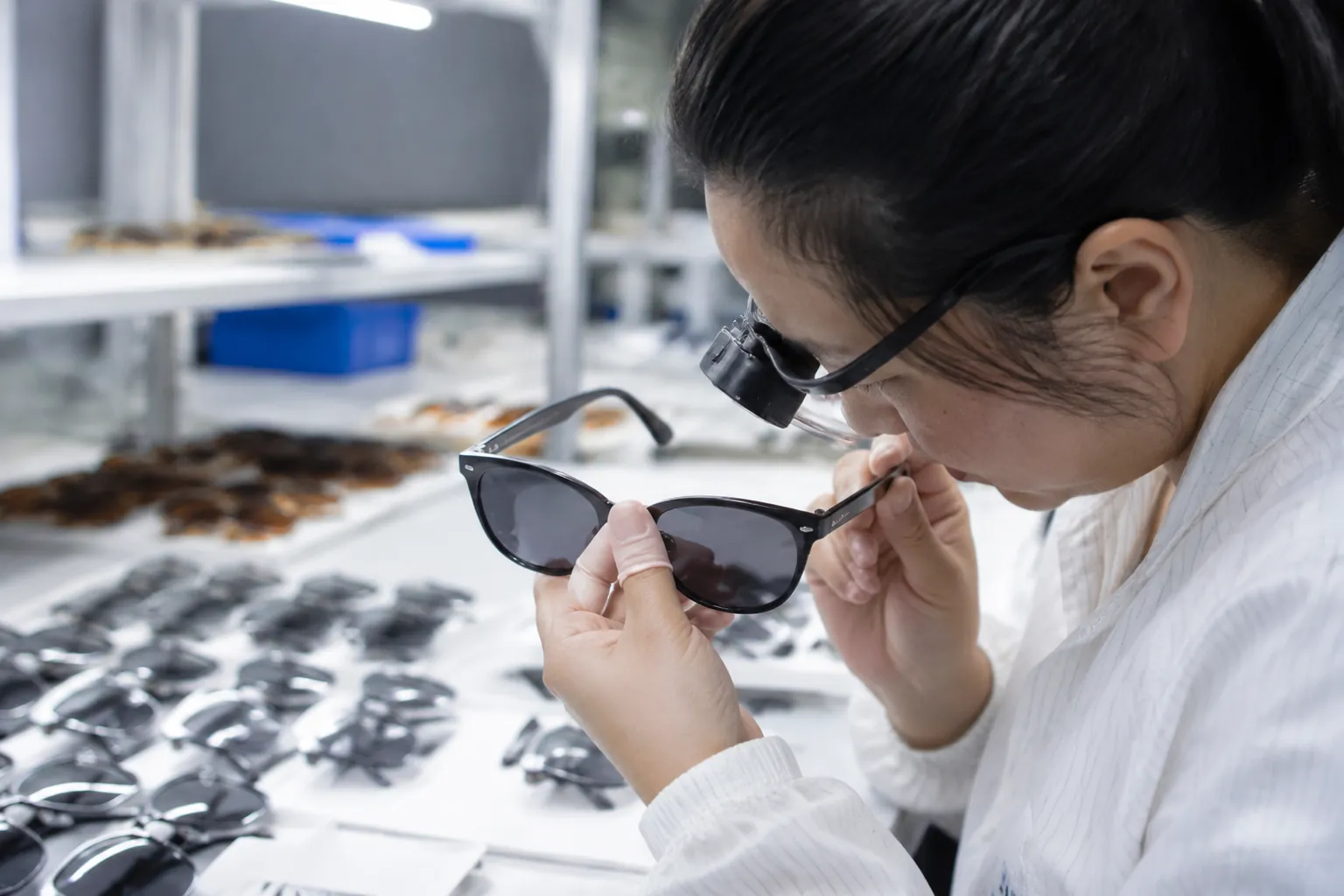
This guide is for brands, importers, and distributors comparing metal frame options for private-label sunglasses. In eyewear, monel remains common for a simple reason: it gives you a workable mix of formability, adjustability, and finishing options at a commercial cost. The trade-off is just as clear. Monel is not the lightest metal, it is not the strongest premium-material story, and long-term appearance depends heavily on plating quality and process control. If you need to decide whether monel fits your target price, sales channel, and product brief, focus on the factors that affect quality, compliance, and returns.
Start with the buying decision, not the alloy name
Many buyers ask for monel because they have seen it used in optical frames, aviators, and fashion metal sunglasses across mid-market retail. Fair enough. But that skips the real sourcing question. The better question is this: which frame material gives you the right mix of target cost, appearance, fit adjustability, and acceptable quality risk for your channel?
Monel is often the practical choice when you need a metal frame that looks slimmer and more refined than basic plastic, can be adjusted during fitting, and still stays within a commercial cost target. In private-label sunglasses, that often fits department-store programs, chain retail, promotional lines, tourist-channel assortments, and entry-to-mid brand collections.
In practical terms, monel works well for wire constructions, brow bars, geometric eyeshapes, optical-inspired sun styles, and mixed-material frames with acetate temple tips. It is less suitable when the brief calls for very low weight, strong corrosion resistance for heavy sweat exposure, or a premium metal story built mainly on material. In those cases, stainless steel or titanium may fit better. If the brand depends on bold translucency, laminated color, thick temples, or oversized fashion shapes, acetate usually gives more design freedom with less plating-related risk.
- Choose monel if you need adjustable nose pads, thin metal profiles, plated color options, and a moderate unit cost.
- Choose stainless steel if corrosion resistance, a cleaner technical look, and a stiffer feel matter more than easy forming.
- Choose acetate if color depth, chunkier styling, and no metal plating on the main front matter most.
- Choose titanium if the target consumer will pay for lower weight and a stronger premium-material story.
That is why monel stays relevant. It solves a lot of commercial eyewear briefs without pushing the product into a premium cost structure. Not every brief. Many.
Why monel stays popular in commercial eyewear
In eyewear, monel usually refers to a nickel-copper alloy family used for fronts, bridges, end pieces, pad arms, and temples. Buyers do not need a full metallurgy lesson. They need to know how the material behaves during forming, assembly, finishing, and retail use.
Monel is commonly selected because it can be stamped, formed, soldered or brazed depending on construction, and adjusted during fitting. That matters when building double bridges, fine rims, wire rounds, combo fronts, and temples with bends that need to hold shape after normal adjustment. Compared with stiffer metals, monel often gives development teams more freedom during shaping and alignment.
It also accepts a wide range of surface finishes when the process is controlled properly. Common finishes include shiny gold, gunmetal, silver tone, rose gold tone, black, satin, brushed effects, and antique-style plating. Decoration may include laser engraving, pad printing on temple tips, epoxy-filled logo marks, or attached logo plates on mixed-material styles.
For private-label programs, that finish flexibility matters. One basic construction can often support several colorways or channel versions without changing the full frame architecture. A buyer may use one monel platform for a gold department-store version, a matte black e-commerce version, and a gunmetal chain-retail version, provided the finish approvals and QC standards are tightly controlled.
Still, finish flexibility does not mean finish simplicity. The more plating colors, gloss levels, textures, and decorative applications added to one program, the more important it becomes to approve a production-representative sample and define visible-quality standards before bulk starts.
Cost versus other frame materials
For B2B buyers, monel is usually a commercial decision before it is a technical one. Unit cost depends on frame weight, rim construction, solder count, hinge type, plating finish, temple tip material, lens specification, and packaging. So broad price claims are not useful. Precise pricing only means something when it is tied to a full specification and quantity.
Commercially, monel usually sits above basic injected sunglasses and below titanium. Compared with stainless steel, the result depends on geometry, finish, and production method. A simple flat stainless style can be efficient. A more complex curved or highly adjustable design may be easier to execute in monel, especially when frequent fitting adjustment is expected at retail.
| Material | Typical commercial position | Main cost drivers | Common weight feel | Best fit |
|---|---|---|---|---|
| Monel | Entry-mid metal frame | Plating process, solder points, nose pad setup, metal weight | Moderate | Fashion sunglasses, optical-style sun, chain retail |
| Stainless steel | Mid metal frame | Cutting method, welding, finish quality, temple construction | Light to moderate | Clean modern styles, better corrosion resistance |
| Acetate | Mid to upper-mid plastic frame | Sheet grade, machining time, polishing, hardware | Moderate to heavy | Bold fashion, richer color effects, thicker profiles |
| Titanium | Upper metal frame | Raw material cost, fabrication skill, finishing, scrap rate | Light | Lightweight premium lines |
MOQ and price behavior matter just as much as the material itself. At low quantities, setup for tooling, plating preparation, logo application, and inspection is spread across fewer units, so the per-pair cost is usually less efficient. As volume rises and the specification stays stable, purchasing and production efficiency normally improve. Compare quotations only when quantity, finish, lens, hardware, and packaging are aligned.
Be careful with low headline prices on monel sunglasses. They are always specification-specific. Spring hinges, polarized lenses, custom tips, multi-step logos, upgraded packaging, and special plating can shift the cost quickly. A useful quote is not the cheapest one. It is the one that clearly ties price to the approved build standard.
Take plating seriously
This is where strong monel programs separate from weak ones. A monel frame can look excellent when first packed. If plating preparation or process control is inconsistent, that same frame may later show discoloration, blistering, edge wear, corrosion, or poor color consistency. Many complaints linked to monel frames are really finish-control problems, not alloy-selection problems.
The main process stages are simple on paper but sensitive in practice: surface preparation, polishing, cleaning, undercoating where required, color plating, and any sealing or top treatment used by the factory. High-contact points such as bridge edges, rim openings, hinge shoulders, temple bends, and pad arms need close attention because they see repeated handling and adjustment.
Ask direct process questions. What are the standard plating colors? Is the target finish shiny, satin, brushed, matte, or antique? Was the sample made with the real production plating process? How are adhesion, edge coverage, and visible color consistency checked? Has the approved color sample been sealed for bulk reference?
- Sample stage: confirm color target, gloss level, surface texture, and whether the sample uses the actual plating route rather than a cosmetic prototype finish.
- Pre-production: approve a sealed sample with actual plating, actual logo method, and actual lens combination.
- Bulk inspection: check solder cleanup, hinge-area coverage, sharp-edge control, and consistency against the approved sample.
- Final QC: inspect visible surface defects, opening and closing feel, logo durability, and frame symmetry after handling.
For commercial frames, realistic QC standards matter more than vague finish promises. At minimum, align on visible defect limits, sample-based color approval, hinge function, and basic handling durability. It is far cheaper to stop a poor finish before shipment than to sort mixed-quality goods after arrival.
Fit, adjustability, and after-sales
Monel keeps its place in eyewear partly because it is easy to adjust during fitting. That is a commercial benefit, not just a technical feature. Stores, opticians, and distributors can often correct common fit issues without replacing the frame. Pad arms can be tuned, temples can be adjusted, and mild alignment variation can often be corrected during final fitting.
This matters most in physical retail, where face-fit variation can drive avoidable returns. A molded frame with no pad adjustment gives staff fewer recovery options. A monel frame with adjustable nose pads gives them more control over bridge fit, pantoscopic position, and basic wearing comfort.
But adjustability is not a substitute for good design. If the eye wire is too thin, the bridge section is underbuilt, or hinge geometry is poor, adjustment becomes rework instead of a retail advantage. Use the sample stage properly. Check whether the frame holds shape after normal correction and whether the adjustment range matches the intended consumer fit.
- Bridge stability: the front should return to a balanced position after basic alignment and should not twist too easily by hand.
- Pad arm thickness: arms that are too fine may drift during use and create repeat fit complaints.
- Temple balance: uneven temple tension can lead to skewed wear and faster hinge loosening.
- Hinge quality: loose hinge feel in samples is a warning sign that should be corrected before bulk.
- Lens retention: the frame should hold the lens securely without excessive assembly stress.
For sunglasses, fit affects function and presentation. A frame that sits unevenly can change how the product looks on face, increase rubbing at the cheeks, and create pressure points. A good monel frame should stay wearable and presentable after normal handling and minor fitting adjustment.
Compliance is about the finished product
Buyers sometimes ask whether monel itself is certified. That is the wrong starting point for sunglasses. Compliance applies to the finished product configuration and the relevant chemical or performance requirements, not to the bare frame material on its own.
For export programs, buyers commonly ask for documents or testing linked to CE EN ISO 12312-1, ANSI Z80.3, AS/NZS 1067, REACH, FDA registration, ISO 9001, and BSCI. These do not all mean the same thing. CE EN ISO 12312-1, ANSI Z80.3, and AS/NZS 1067 relate to sunglass performance requirements in their respective markets. REACH concerns restricted substances. FDA registration is a common administrative requirement discussed in the US market context. ISO 9001 relates to quality-management systems, and BSCI relates to social compliance and audit practices rather than optical performance.
The practical sourcing risk is sample drift. If the approved sample uses one lens category, one logo method, one plating finish, and one construction method, later substitutions can break the link between the tested product and the shipped product. This risk rises when packaging, lenses, or finishes are changed late in the process.
Request a clean product file that ties together the frame code, colorway, lens specification, packaging marks, and applicable compliance documents. That file should also state whether the approved build uses polarized or non-polarized lenses, which plating finish was approved, and which version is intended for bulk. Good documentation does not replace testing. It does reduce the chance of disputes about whether the shipped goods match the approved configuration.
Where monel fits by market and price band
Monel is not the best answer for every line. It is usually the sensible answer for price bands and channels where adjustability, appearance, and cost need to stay in balance.
| Buyer type | Why monel may fit | Typical order logic | Where to be careful |
|---|---|---|---|
| Brand launching a first metal line | Broad style range, easier retail adjustment, lower material-risk than premium metals | Start with commercially simple specifications before expanding finishes | Do not overspecify plating colors or decorative steps on small orders |
| Importer building volume programs | Scalable commercial positioning and broad consumer familiarity | Standardize hardware and finishes for repeat orders | Lock the bulk standard early to avoid mixed finish quality |
| Distributor serving chain stores | Adjustable fit, familiar frame language, workable price positioning | Use replenishable core shapes with stable lens specs | Check hinge consistency and assortment planning |
| Premium niche brand | Useful for selected retro capsules or fashion drops that need adjustability | Use monel selectively where design priorities outweigh material-story limits | May not support a full premium line if material narrative is central |
If you are buying for a value or mid-market sunglass line, monel often makes sense. If you need to justify a premium shelf price mainly through material story, it may not. The key is channel logic. In some markets, consumers respond to material narrative. In others, shape, finish, comfort, and price matter more. Match the material choice to the real sales model, not to abstract material prestige.
A practical sourcing checklist for monel sunglasses
Many delays in monel projects come from preventable issues: unclear finish approval, late lens changes, and sampling on geometry that is not fully resolved. A disciplined process protects both timing and quality.
- Define the product brief: set the target retail band, market, lens category, nose pad type, target weight feel, finish, and logo method before sampling starts.
- Match quantity to expectation: compare quotations only when quantity, finish, lens, hardware, and packaging are fully aligned.
- Request a real development sample: include the intended finish, actual logo application, and intended lens, not only a shape sample.
- Use the sample window properly: check adjustment behavior, finish consistency, hinge feel, and lens retention before approving changes into bulk.
- Approve a sealed pre-production sample: this is especially important for plated monel because visible appearance can change between early prototype and production.
- Book realistic bulk timing: confirm timing only after the final specification, packaging, and approval path are stable.
- Inspect what fails in real life: focus on surface finish, symmetry, hinge feel, pad alignment, logo durability, and lens fit rather than only carton quantity.
Monel is not a prestige material by default. It does not need to be. For the right private-label sunglass program, it offers a practical middle position: more refined than basic plastic constructions, easier to adjust than many alternatives, and commercially viable when finish control and documentation are handled with discipline.
Have a custom sunglasses project in mind?
Send us your styles, target market and quantities and we will return a detailed quote with MOQ, lead time and a sample plan.
Get a QuoteWhy source this from Wenzhou with LumiShades
Wenzhou in Zhejiang Province is widely regarded as China’s eyewear manufacturing capital, producing a large share of the world’s sunglasses. That concentration matters to buyers: a deep local supply chain for acetate sheet, hinges, lens blanks, plating and packaging means shorter component lead times, easier color and material matching, and a workforce with decades of eyewear-specific skill. LumiShades has manufactured in this ecosystem since 2009, and our vertical integration — in-house injection molding, acetate cutting, CNC milling, lens tinting, decoration and quality control — means no part of your order is quietly subcontracted to a workshop you cannot audit.
For international buyers, that vertical control translates into accountability. When a single factory owns every step, defects are traced and fixed at source rather than bounced between vendors, and your specifications survive intact from first sample to bulk. We back this with 15+ years of experience, shipments to 60+ countries, more than 5 million pairs produced per year and a 98.5% on-time delivery rate. Our certifications — CE EN ISO 12312-1, FDA registration, ANSI Z80.3, AS/NZS 1067, REACH, ISO 9001 and BSCI audit — mean the compliance documentation your market requires already exists. Explore our manufacturing capabilities and quality control process to see how this works in practice.
Frequently asked questions
Is monel a good choice for low-MOQ private-label sunglasses? It can be, but low MOQ works best when the specification is tightly controlled. For small orders, limit unnecessary variables such as multiple plating colors, custom nose pad parts, complex logo applications, special temple tips, or upgraded packaging unless they are essential to the product brief. Before placing the order, ask the supplier to quote the exact same frame in at least two specification levels so you can see which custom elements are materially affecting cost, lead time, and QC risk.
How does monel compare with stainless steel for sunglasses? Monel is generally easier to form and adjust, which makes it suitable for classic fashion shapes, optical-style sun frames, and programs where retail fit correction matters. Stainless steel usually offers better corrosion resistance and a cleaner technical look, but the right choice still depends on frame geometry, finish, and end use. If your channel expects frequent in-store adjustment, monel may be the safer commercial option. If your priority is a leaner technical aesthetic and stronger resistance to sweat-related corrosion, stainless steel may be worth testing alongside it.
What usually causes complaints on monel frames? Most complaints are linked to finish quality, hinge looseness, poor solder cleanup, weak lens retention, or inconsistent alignment rather than to monel itself. During sample review and pre-shipment inspection, buyers should specifically check visible plating consistency, edge coverage, hinge feel, frame balance, and how well the frame holds alignment after minor adjustment. If a weakness is already visible or easy to trigger on the sample, treat it as a bulk risk until corrected.
Do compliance documents cover the frame material alone? No. For sunglasses, the relevant documents relate to the finished product configuration, including lens specification and the product version that will actually ship. Buyers should make sure the approved sample, test reference, packaging marks, and bulk production record all describe the same build. If the lens category, construction, plating finish, or other key specification changes after testing or approval, review whether the existing documentation still matches the final goods before shipment.
What lead times are realistic for a monel sunglass program? Lead time depends on how stable the specification is, how many finish approvals are required, and whether packaging and logos are already finalized. A practical buying step is to separate timing into at least three stages: development sample, pre-production approval, and bulk production. Do not rely on a generic promised timeline. Ask the supplier which stage controls the schedule and what inputs are still missing. That makes it easier to see whether the real delay risk is tooling, plating approval, lenses, or packaging.
Ready to start?
Explore our wayfarer sunglasses or request a quote — our sales team replies within 12 hours.
Request a Quote