
Subtle Sunglasses Branding That Feels Premium
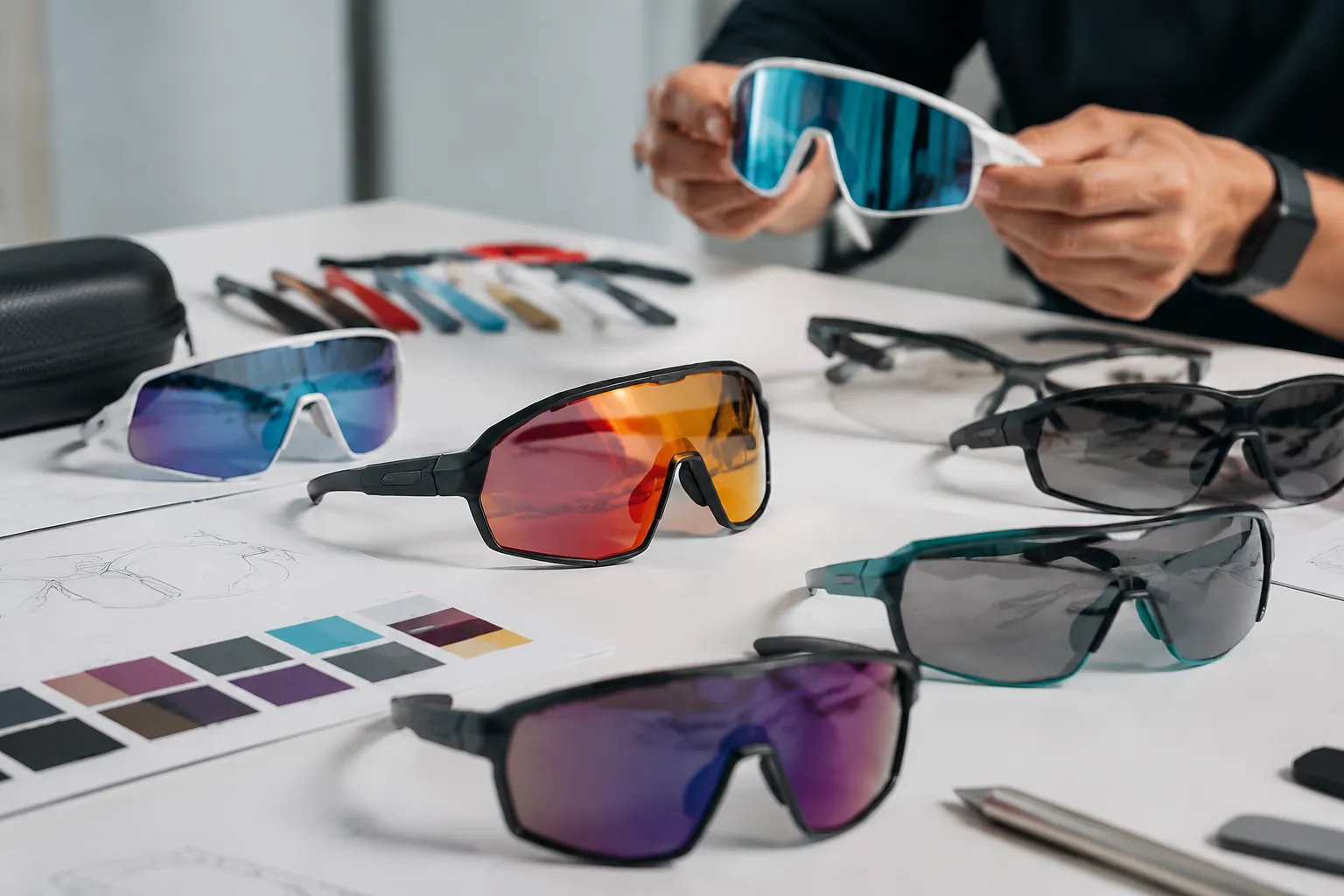
This guide is for brand owners, importers, distributors, and retail buyers who want private label sunglasses to feel more premium without changing the front silhouette. In most programs, the biggest gains come from branding zones the customer notices during handling, unboxing, and try-on: inner temples, lenses, temple tips, and small metal parts. Specify those details with clear placement tolerances, realistic decoration methods, and defined QC checks, and they can raise perceived value with limited tooling risk and little effect on fit. Miss the basics, and the opposite happens. Oversized marks, poor placement, or weak durability can make a frame look less refined than a blank one.
Use a simple rule: brand where the wearer finds it
If you keep the front view clean, the style is usually easier to sell across more channels. That matters to distributors and retailers that need broad appeal and do not want a large front logo to narrow sell-through. The premium cue then shifts to moments of use: opening the temples, putting the frame on, cleaning the lens, or noticing inside details during handoff.
Judge each branding zone against three factors: visibility during use, production risk, and cost impact. Inner temple branding scores well on all three. It is visible during handling, stable in production, and usually does not require new tooling. Lens branding can add value too, but control has to be tighter. Optical cleanliness, abrasion resistance, and line-of-sight placement matter. Temple-tip details and hardware accents are quieter, but they can make a stock OEM shape feel intentionally branded.
For most private label programs, start with two branding zones. Not four. A practical pairing is inner temple branding plus one tactile detail such as a small metal logo plate, shaped rivet head, or discreet temple-tip mark. That gives you a brand signature without adding process risk you do not need.
- Lower process risk: inner temple pad print, inner temple laser mark, small lens corner mark in a validated position
- Medium process risk: temple tip print, molded tip icon, small metal logo plate, custom microfiber pouch
- Higher process risk: large printed lens logo, foil on flexible temple ends, decorative parts near hinge torque zones, oversized exterior branding on curved surfaces
The goal is not more branding. It is better branding.
Inner temple branding: highest return, least disruption
The inside of the temple is usually the safest place to start. It gives room for brand name, model code, size, material note, country-of-origin marking where required, and importer or compliance information without crowding the outside of the frame. On injection sunglasses, one-color or two-color pad printing is common because it is economical and widely available. On acetate, laser engraving or foil marking can look more premium if the substrate color gives controlled contrast.
Content is often split across the left and right temples. One side carries brand and model information. The other carries size, material, and legal text. Keep the artwork practical. Fine lines and outlined logos are less reliable on slightly curved or textured temple interiors than simple solid marks. Sans-serif logos and one-color artwork usually reproduce more consistently.
Ask for a print position drawing with dimensions taken from fixed reference points such as hinge center and temple edge, not just an AI or PDF artwork file. On many programs, a print position tolerance of ±1.0 mm is a reasonable target. If the factory proposes a different tolerance, get it in writing on the drawing and confirm it on the pre-production sample. Also define orientation requirements, such as parallel to the temple edge and centered within the flat printable area.
Material matters. Injection PC and TR materials can take pad print well when the surface and ink system are compatible. Acetate can take foil or laser marking effectively, but polished surfaces show placement error more clearly. On flexible temples, rub resistance matters more than first-look sharpness. Request an alcohol rub test, tape adhesion check, and repeated open-close handling test on the approved decorated sample.
- Confirm temple material: injection, acetate, TR, or metal-combination.
- Choose method by surface behavior: pad print for economy, laser for permanence, foil for contrast where suitable.
- Approve a drawing with location dimensions and stated tolerance.
- Test decoration on the actual curved temple, not just on a flat sample chip.
- Lock text content before bulk production so legal or importer information is not omitted.
Inner temple decoration is also one of the fastest branding steps to sample because it usually does not require new molds or new components. Timing still depends on artwork approval, factory capacity, and whether legal text is final.
Lens branding: premium when small, risky when loud
Lens branding works because buyers often associate it with established eyewear brands. Size is the key variable. A small logo at the outer upper corner or a discreet laser mark near the edge usually reads better than a large print. Big marks tend to look like promotional merchandise, not branded eyewear. Many retailers push back on them.
Common methods are laser marking and pad printing. Some programs use other processes, but for most private label sunglasses, laser or print is the practical route. Laser marks often offer better permanence, but contrast depends on lens material, tint, mirror coating, and surface finish. Printed logos can look crisp and cost-effective, but they need abrasion testing and careful packing to avoid scuffing in transit.
Placement is not just a design issue. It is also a compliance and usability issue. If the product is sold as sunglasses, the finished frame-and-lens combination should be evaluated against the standard relevant to the destination market, such as CE EN ISO 12312-1, ANSI Z80.3, or AS/NZS 1067. Decoration should stay outside the primary viewing area and should not create visible distortion, haze, or distracting reflection.
| Branding zone | Typical method | Typical added cost | Lead-time impact | Main risk |
|---|---|---|---|---|
| Inner temple | Pad print or laser | Low to moderate, depending on colors and setup | Low | Print shift, rub-off |
| Lens corner mark | Laser or pad print | Low to moderate | Low to moderate | Abrasion, visibility in line of sight |
| Temple tip detail | Molded mark, print, foil | Low to moderate | Low | Wear on high-contact area |
| Metal logo plate | Stamped plate plus assembly | Moderate | Moderate | Attachment consistency, pull-out, plating mismatch |
As a working rule, keep lens logos small and close to the outer edge rather than moving them inward. Confirm the exact position on the lens drawing. Define a no-go viewing zone before production. No assumptions.
Temple tips and end details: low cost, high contact
Temple tips are a useful second brand cue because the customer touches them every time the frame is put on or removed. On injection styles, options may include a molded icon, one-color print, or a contrasting insert if the construction allows it. On acetate, a small laser mark on the inner tip area can be clean and durable.
The challenge is wear. Temple ends contact skin oil, hair products, display hooks, pouches, and case linings. A tip detail that looks sharp at sample stage can degrade fast in retail handling if the process is decorative but not durable enough. Foil in a high-flex or high-friction area is a common weak point in lower-budget premium programs.
Keep the branding small. That is usually enough. Larger tip graphics rarely look more luxurious; they usually look added on. For printed tip details, specify adhesion and abrasion testing on the actual molded geometry, since curved ends and textured surfaces behave differently from flat laboratory coupons.
MOQ logic matters here. On a small trial order, tip printing can be an easy add-on because it may not require new tooling. As volume rises, molded-in icons, dedicated color combinations, or custom tip components can become more efficient because the setup cost is spread across more units and the result is often more repeatable than a surface-applied print.
Hardware and small metal parts: where value often starts
Many buyers focus only on logos and miss the hardware. That is a mistake. A clean hinge cover, shaped rivet head, metal logo plate, matched screw color, or consistent trim finish can improve perceived value more effectively than a larger exterior logo. These details change how the frame catches light, how it feels in hand, and how intentional the construction looks.
They also expose factory discipline very quickly. Misaligned plates, loose rivets, uneven plating, rough edges, or visible glue squeeze-out are obvious even to non-technical buyers. If you add a logo plate, specify the attachment method. Adhesive-only attachment may be acceptable for some decorative inserts on limited programs, but mechanical locating features, pins, or embedded mounting are usually more stable for repeat orders and heavier handling exposure.
Ask what internal checks the factory uses. A useful discussion should cover pull resistance, visual alignment criteria, plating color consistency, and whether the part is installed before or after polishing. Installation sequence matters. It affects edge cleanliness and the risk of cosmetic scratching. If metal color is part of the premium story, confirm that it matches other visible metal elements such as hinges, screws, or decorative trim.
Buyer shortcut: If the budget allows only one upgrade beyond inner temple branding, prioritize hardware finish consistency over a larger outside logo.
Custom hardware usually makes more sense once the order is large enough to absorb stamping, plating, and assembly setup. For very small trial orders, print or laser decoration is often the lower-risk first move.
Cost and lead time: what moves price and what barely does
Most subtle branding ideas do not require a new front mold, which is why buyers like them. You can raise perceived value without changing lens geometry or face shape. The real question is whether a detail adds variable labor, scrap risk, or a new purchased component.
Pad printing and standard laser marks usually have limited lead-time impact once artwork is approved and print position is confirmed. Custom metal trims, extra color parts, dedicated assembly fixtures, or multiple decoration positions add more complexity. Sample timing and bulk timing vary by factory, but delays often come from late artwork changes, logo repositioning, or switching from print to hardware after sampling.
Volume changes the math. A decoration step that feels expensive at very low quantity can become reasonable when the same setup cost is spread over a larger run. At repeat-order volumes, more permanent details such as molded marks, dedicated hardware, or coordinated accessory sets are easier to justify if the style is expected to continue.
- Usually limited lead-time effect: inner temple print, standard lens corner mark, basic tip print
- Moderate effect: custom metal logo plate, multiple print positions, additional QC checkpoints
- Larger effect: new molded tip structures, non-stock hardware components, repeated sample rounds caused by artwork changes
Ask the supplier to break out costs by branding element instead of quoting only a total FOB price. When print, laser, hardware, and packaging are listed separately, it is easier to cut low-impact extras and keep the details customers actually notice.
QC points to put on the spec sheet
If subtle branding is the strategy, QC has to be tighter. The product is winning on details. Put inspection language into the purchase order, approved sample record, or product specification sheet instead of relying on visual memory.
Start with appearance and location tolerances. Define acceptable print shift, laser appearance, metal plate alignment, and color consistency against a signed master sample. For inner temple print, ±1.0 mm is a common working target on many programs, but the factory should confirm what is achievable on the actual part geometry. For metal plates or rivet heads in visible exterior zones, buyers usually expect tighter visual centering because even a small offset stands out. Also specify edge quality: no burrs, no sharp corners, no visible adhesive overflow, and no plating peel.
Then add handling checks. Open and close the temples repeatedly. Wipe the lens mark with a standard cleaning cloth. Inspect under bright light for edge breaks, haze, or scratches around applied trims. If temple-tip branding is used, include a wear check after repeated insertion into a pouch or case.
For market access, align the finished product with the standards relevant to the destination market. Factory capability references such as CE EN ISO 12312-1, ANSI Z80.3, AS/NZS 1067, REACH, FDA registration, ISO 9001, or BSCI can be useful signals, but they do not replace buyer review of the finished product, documentation, and import requirements. Importer responsibility still applies.
| QC item | What to specify | Why it matters |
|---|---|---|
| Inner temple print | Position tolerance, color reference, rub resistance, text sequence | Misalignment and fading reduce perceived quality and can create legal omissions |
| Lens logo | Location outside main sight area, clarity, abrasion result, cleaning tolerance | Avoids visual interference and early wear complaints |
| Metal plate or rivet | Alignment, edge cleanliness, attachment security, plating consistency | Loose or crooked hardware is obvious at first touch |
| Temple tip branding | Wear resistance after repeated handling and pouch insertion | Tips are high-contact zones and fail cosmetically fast |
A signed pre-production sample should include the actual decoration, not just the frame body. Artwork approval alone is not enough.
A practical rollout plan for first orders and repeat programs
For a first order, stay disciplined. Use one proven frame construction, one packaging concept, and two branding zones. Do not try to express the entire brand identity on every available surface. That creates extra approval loops, more scrap risk, and usually no better sell-through.
A reliable first-order structure looks like this:
- Choose a stable frame shape already suited to your channel and target price.
- Add inner temple branding with finalized legal, model, and size information.
- Add one premium cue: small lens mark, metal logo plate, shaped rivet, or tip detail.
- Approve a full pre-production sample including decoration and packaging.
- Use low MOQs for demand testing, then standardize the successful details for repeat production.
For repeat programs, standardize the hidden brand language across collections. Use the same inner temple layout, similar lens logo scale, the same hardware finish family, and consistent placement logic from style to style. Customers may not consciously describe those details, but they read them as consistency. That is what makes a private label eyewear line feel intentional rather than assembled from unrelated OEM parts.
Subtle branding works because it respects the product. The front view sells the shape. The hidden details support the brand.
Have a custom sunglasses project in mind?
Send us your styles, target market and quantities and we will return a detailed quote with MOQ, lead time and a sample plan.
Get a QuoteWhy source this from Wenzhou with LumiShades
Wenzhou in Zhejiang Province is widely regarded as China’s eyewear manufacturing capital, producing a large share of the world’s sunglasses. That concentration matters to buyers: a deep local supply chain for acetate sheet, hinges, lens blanks, plating and packaging means shorter component lead times, easier color and material matching, and a workforce with decades of eyewear-specific skill. LumiShades has manufactured in this ecosystem since 2009, and our vertical integration — in-house injection molding, acetate cutting, CNC milling, lens tinting, decoration and quality control — means no part of your order is quietly subcontracted to a workshop you cannot audit.
For international buyers, that vertical control translates into accountability. When a single factory owns every step, defects are traced and fixed at source rather than bounced between vendors, and your specifications survive intact from first sample to bulk. We back this with 15+ years of experience, shipments to 60+ countries, more than 5 million pairs produced per year and a 98.5% on-time delivery rate. Our certifications — CE EN ISO 12312-1, FDA registration, ANSI Z80.3, AS/NZS 1067, REACH, ISO 9001 and BSCI audit — mean the compliance documentation your market requires already exists. Explore our manufacturing capabilities and quality control process to see how this works in practice.
Frequently asked questions
What is the safest branding upgrade for a first private label sunglasses order? Inner temple branding is usually the safest first step because it has relatively low process risk and normally does not require new tooling. To control it properly, ask for three things before approval: 1) a temple artwork layout with all legal and brand text finalized, 2) a position drawing referenced from hinge center or temple edge, and 3) a decorated pre-production sample that has passed rub and adhesion checks on the actual part.
Can I add a logo to the lens without affecting compliance? Potentially yes, but only if the final decorated product still meets the requirements for the destination market. Keep the mark small, place it outside the primary viewing area, and ask the supplier to confirm the approved no-go zone on the lens drawing. If the sunglasses are intended for markets using CE EN ISO 12312-1, ANSI Z80.3, or AS/NZS 1067, review the finished product after decoration, not just the undecorated lens.
At what quantity does a metal logo plate start to make sense? A metal logo plate generally becomes easier to justify when the order is large enough to absorb component setup, plating, and assembly controls. For very small trial orders, print or laser marking is often more efficient. To decide properly, ask the supplier for a separate cost breakout covering the metal part, attachment method, extra QC requirements, and any sampling charge, then compare that with a print or laser option on the same frame.
How should I control branding quality in production? Do not rely on artwork approval alone. Put the branding requirements into the product spec sheet or purchase order and approve a signed pre-production sample with the actual decoration. At minimum, specify: exact logo location from fixed reference points, allowable position tolerance, orientation, color reference, rub or abrasion test method, and acceptance criteria for alignment and edge cleanliness. For hardware, also define attachment security and plating consistency requirements.
Does subtle branding affect lead time much? It depends on the decoration method. Basic inner temple print or a standard lens corner mark usually has less impact than custom hardware or new molded details, provided the artwork is approved early. The biggest delays are often caused by changes after sampling, such as moving logo positions, revising legal text, or switching from print to metal trim. Ask the supplier to confirm timing separately for sampling, decoration approval, and bulk production so you can see where branding actually affects the schedule.
Ready to start?
Explore our square sunglasses or request a quote — our sales team replies within 12 hours.
Request a Quote