
OEM Sunglasses for Cruise and Resort Retail
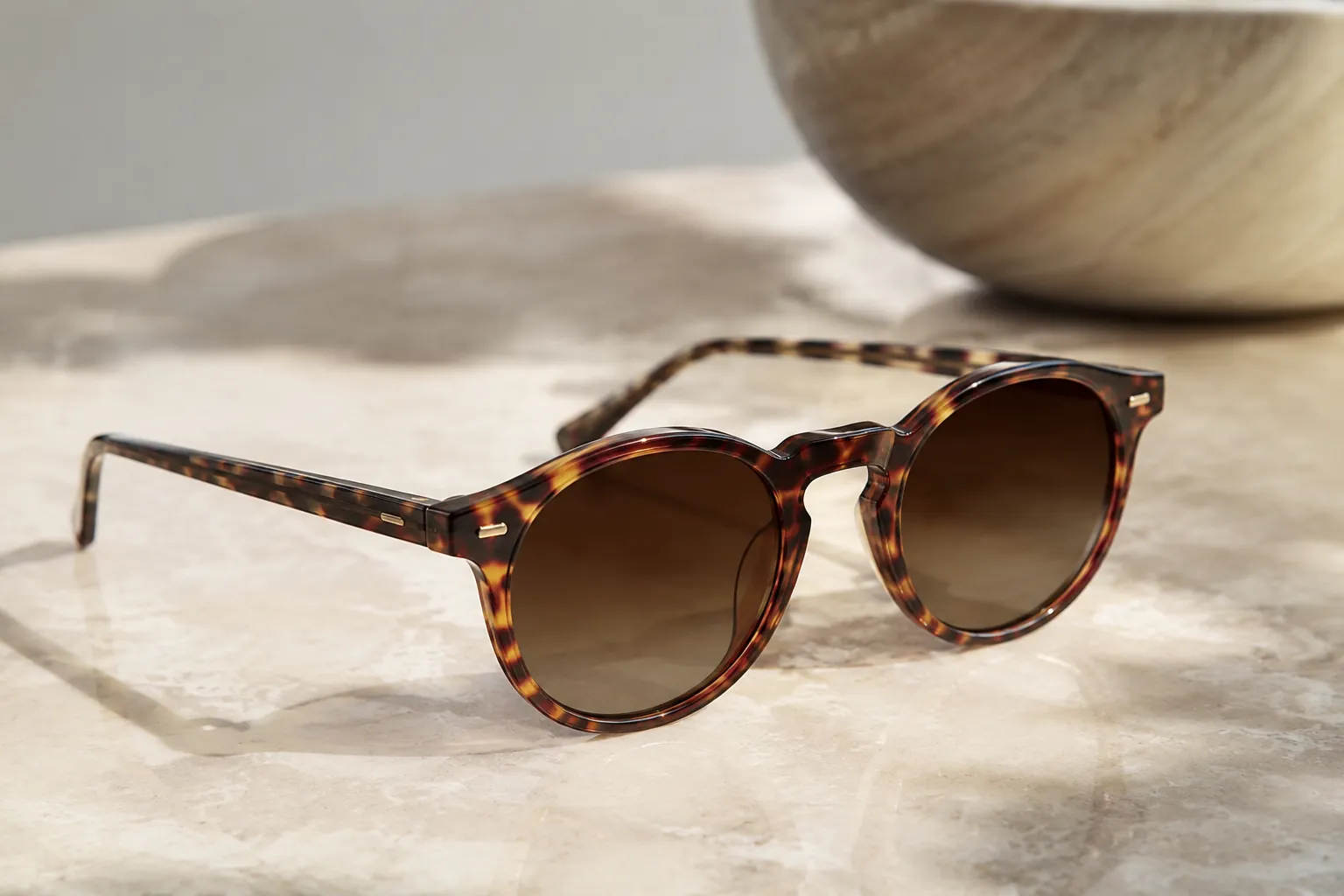
This guide is for cruise retail buyers, resort shop operators, importers, and distributors planning private-label sunglass ranges. It explains how to build durable, fast-moving assortments for high-sun, high-handling retail without tying too much cash to untested stock. You will find practical guidance on assortment planning, frame materials, lens choices, logo methods, MOQ logic, compliance documents, QC checks, pricing drivers, and replenishment timing for OEM sunglasses production.
Start With the Store, Not the Frame Catalog
Cruise lines and resort shops sell sunglasses under pressure. Guests buy because they forgot a pair, broke a hinge, lost sunglasses during an excursion, or need stronger sun protection now. The range must be easy to scan. Staff should be able to explain it in seconds.
Do not ask a factory for a large mix of unrelated models. Start with the store format, price ladder, display space, climate, guest profile, and expected replacement rate. A ship boutique with locked cases may support higher perceived-value acetate and metal styles. A poolside kiosk needs tough injection frames, simple colors, clear prices, and fast replenishment. A beach club may justify polarized lenses on key SKUs, but not across every style.
A practical opening assortment is often 8 to 16 SKUs: for example, 4 frame shapes in 2 to 4 color or lens combinations. Keep the first buy focused. Travel retail punishes over-choice. Small displays, seasonal traffic, limited storage, and uneven staff training make excess SKU count expensive.
- Men's core: square, navigator, and sport-wrap shapes in black, tortoise, smoke, brown, and matte finishes.
- Women's core: oversized square, cat-eye, soft rectangle, and one controlled fashion color story.
- Unisex volume: wayfarer-type, round-panto, and clean rectangular frames that fit many face shapes.
- Kids or teen: add only where family traffic is proven and the display can separate sizes clearly.
If the supplier offers low-MOQ trial production, use it. Test a ship route, resort chain, island shop, or seasonal pop-up before you commit to high-volume production of a new color, lens treatment, or logo concept.
Match Materials to Sun, Salt, Heat, and Handling
Durability is not a slogan in resort retail. Frames sit near salt air, sunscreen, heat, sand, and constant handling. Guests push them into beach bags, wipe lenses with towels, and open temples with one hand. Material choice should follow the abuse level, target retail price, and warranty risk.
PC injection frames work well for entry retail, promotional programs, and high-volume resort stores because cost and impact resistance are strong. TR90 is lighter and more flexible, making it useful for sport, excursion, and active beach styles. Acetate gives a richer look, better polish, and stronger boutique positioning, but it costs more and depends on controlled cutting, tumbling, hinge setting, and hand polishing. Metal styles can perform in premium cruise boutiques, but plating, screws, nose pads, and corrosion resistance need close review.
| Material | Best Retail Use | Typical Risk | Process Detail to Confirm |
|---|---|---|---|
| PC injection | Entry-price resort, promo, and gift-shop volume | Surface scratches, sink marks, brittle feel if poor resin is used | Confirm clean molding, smooth parting lines, stable color, and hinge insert pull strength. |
| TR90 | Sport, pool, boating, and active excursion styles | Decoration adhesion and temple spring-back variation | Check flex recovery, temple opening tension, and logo rub resistance on curved surfaces. |
| Acetate | Premium resort boutiques and higher-ticket private label | Polishing defects, uneven lamination, loose rivets or hinges | Approve sheet color, CNC profile, tumbling finish, hinge alignment, and final hand polish. |
| Metal | Cruise boutiques, aviator styles, and fashion capsules | Corrosion, plating wear, nose pad complaints, screw loosening | Check plating basis, corrosion-resistance expectation, screw security, and pad quality. |
Set tolerances in plain terms. Temples should open evenly. Frame fronts should not rock on a flat surface. Lenses should sit without visible gaps. Mixed stock should match the approved color sample under normal daylight. For temple logos, specify an acceptable placement tolerance in millimeters. A small shift looks obvious when several pairs sit together on one display.
Choose Lenses by Price and Use Case
Lens choices should match the product's retail role and the destination market. Standard UV-protective lenses may be enough for many entry SKUs if they meet the required standard and are correctly labeled. Polarized lenses add clear value for boating, fishing, water sports, and bright beach settings. Gradient lenses photograph well and suit boutique styles, but they are not always right for active excursions. Mirror coatings sell on display. Weak adhesion or edge defects can create quick complaints.
Build the range by function. Use standard solid or gradient UV-protective lenses for value and fashion SKUs. Use polarized lenses for water-use and premium SKUs. Use mirrored or specialty treatments only where they support the retail story and price. Do not make every SKU polarized if the price ladder cannot support the upgrade.
QC must cover appearance and function. Inspect lenses under strong light for scratches, waves, bubbles, coating dots, poor edge fit, and tint inconsistency. Check polarized lenses with a polarization card or LCD screen. Inspect mirror lenses closely at the edge, where coating defects often start after cutting or mounting. Lens category, UV claim, and warning text must match the destination market. A dark non-compliant lens is a safety problem, not a cosmetic issue.
Choose Logo Methods by Volume and Abuse Level
Branding is a common source of wasted cost. A logo should survive handling, suit the frame material, and make sense at the order quantity. Do not put a metal badge on a low-price giveaway frame unless the margin supports the part cost, fixture, setup time, and added inspection.
| Logo Method | Best Use | Typical Buyer Concern | Practical Note |
|---|---|---|---|
| Laser engraving | Acetate, metal, and selected coated parts | Subtle branding may be hard to see | Durable and clean when the surface suits engraving; approve depth and contrast on the real frame color. |
| Pad printing | Injection frames, temples, lens corners, and promotional runs | Ink rub-off from sunscreen, sweat, and handling | Ask for rub testing on curved temples, especially matte, rubberized, or TR90 surfaces. |
| Metal logo plate | Mid to premium private-label lines | Higher cost, longer setup, and bonding failure | Looks strong on display, but needs fixture control, secure bonding or riveting, and flush placement. |
| Lens logo | Resort branding, promotional drops, and gift-shop programs | Visual obstruction or compliance marking conflict | Keep it small, outside the sight line, and clear of required lens or category markings. |
Ask the supplier which logo processes are handled in-house and which are outsourced. In-house decoration can reduce coordination risk, but it does not replace approval samples or durability checks. Approve the logo on the exact frame color, finish, and lens combination. A black pad print may work on gloss tortoise and disappear on matte navy.
Plan MOQ and Pricing Like a Buyer
MOQ should create buying discipline. It should not push you into random depth. Ask the supplier to quote MOQ by design, color, lens type, and logo method, because those limits may differ. Also ask where price breaks occur and what changes at each tier: material purchasing, molding efficiency, decoration setup, packaging speed, inspection time, or freight consolidation.
The lowest unit price is not always the best buy. If a large quantity of a fashion color sells for one short season, the real cost includes markdowns, storage, obsolete packaging, and tied-up cash. First orders should go deeper on proven shapes and lighter on risky colors. A sensible first buy may spread volume across 8 to 16 SKUs, with depth in black, tortoise, smoke, brown gradient, and water-use polarized styles, then smaller tests for seasonal colors, mirrored lenses, or destination graphics.
- Set core SKUs: order deeper on black, tortoise, smoke, brown gradient, and one polarized water-use style.
- Test fashion SKUs: use lower quantities for mirrored lenses, limited colors, and resort-specific artwork.
- Separate logo costs: compare plain, printed, engraved, and metal plate versions instead of accepting one blended quote.
- Control packaging: hang tags, microfiber pouches, barcode labels, and retail boxes change both cost and packing speed.
- Protect replenishment: reorder before shipboard or resort stock reaches emergency levels.
For distributors serving several resorts, one efficient approach is shared frame construction with different logo and packaging treatments. The frame stays common. The retail identity changes by account. This stabilizes production, improves material purchasing, and reduces complexity without making every customer look the same.
Put Compliance Requirements on the PO
Sunglasses are regulated products. Do not treat them like ordinary fashion accessories. The purchase order should state the destination market, required standards, UV claim, lens category, labeling language, and packaging requirements before bulk production starts.
For EU sales, CE EN ISO 12312-1 is the key sunglass standard. For the United States, FDA registration may apply to sunglass manufacturers or importers under U.S. medical device rules, and ANSI Z80.3 is commonly used for non-prescription sunglasses. For Australia and New Zealand, AS/NZS 1067 is the relevant sunglass standard. REACH matters for chemical restrictions in materials, coatings, and components sold into Europe.
Supplier documents should match the sales region and product type. Acceptable evidence may include current test reports, declarations of conformity, registration information, material declarations, and factory system certificates where relevant. Useful compliance references for this category may include CE EN ISO 12312-1, ANSI Z80.3, AS/NZS 1067, REACH, FDA registration, ISO 9001, and BSCI. Reject vague certificates that do not name the product, factory, test standard, or valid date range.
Good PO wording includes: frame material, lens material, lens category, UV protection claim, destination market, logo method, retail packaging contents, barcode format, country-of-origin marking, warning text, carton marks, and inspection standard.
Category labeling needs special care. A dark lens that fails UV performance is dangerous because the wearer's pupil opens behind the tint. Confirm driving restrictions if the lens category or tint requires warning language. Compliance starts during sampling because lens color, coating, material, and marking choices affect the final test result.
Control Samples, Production, and Replenishment
Samples are production controls. They are not souvenirs. The approved sample should include the exact frame color, lens tint, logo method, retail packaging, barcode label, warning text, pouch or case, and carton marking. Keep one signed approval sample with the buyer and one with the supplier so both sides judge bulk goods against the same reference.
Sampling and bulk lead times vary by material, decoration, order size, packaging complexity, factory capacity, and tooling or special components. Ask for a written timeline that separates artwork approval, sample making, sample transit, buyer approval, material preparation, bulk production, inspection, and shipment. Plan backward from sailing dates, resort openings, holiday peaks, or display resets. Air freight can save a launch, but it can destroy margin on low-cost frames.
| Stage | Typical Timing to Confirm | Buyer Action | Risk if Skipped |
|---|---|---|---|
| Assortment brief | Confirm before quotation | Define SKU count, target price, market, material, lens, logo, and packaging needs | Unclear quotes and too many weak styles |
| Sampling | Confirm after artwork and material selection | Approve frame, lens, logo, packaging, labeling, and fit | Bulk goods differ from expectation |
| Bulk production | Confirm after sample approval and deposit | Monitor material, decoration, assembly, and packing schedule | Late delivery or rushed QC |
| Inspection and shipment | Confirm before dispatch booking | Check AQL results, carton marks, packing list, and shipping documents | Defective or mislabeled retail stock arrives |
| Replenishment | Plan from actual sell-through and transit time | Use sell-through by SKU, color, location, and season | Best sellers stock out during peak sun demand |
Do not rely on optimistic verbal delivery promises. Put approval deadlines, document requirements, inspection timing, and shipment handover dates into the order file. A factory cannot easily recover weeks lost to internal artwork debate without added cost, air freight, or QC pressure.
Inspect the Failure Points That Hurt Retail Accounts
QC should reflect the selling environment. For cruise lines and resorts, common failure points include loose hinges, scratched lenses, weak logos, color mismatch, poor barcode labels, missing warnings, and mixed SKUs in cartons. These defects are common. They are also preventable.
Ask which production processes are handled in-house and which are outsourced, including injection molding, acetate cutting, CNC milling, lens tinting, coating, decoration, assembly, and final QC. In-house control can catch defects earlier, but buyers still need written inspection requirements, acceptable quality limits, and critical defect rules before production.
- Incoming material: check frame pellets, acetate sheets, lens blanks, screws, hinges, logo parts, and packaging against approved specs.
- In-process QC: inspect molded surfaces, CNC dimensions, hinge alignment, tint consistency, decoration placement, and polishing before final assembly.
- Final inspection: check lens defects, opening tension, temple symmetry, logo durability, barcode accuracy, packing count, and carton marks.
- Functional checks: include UV performance basis, polarization where applicable, screw security, hinge movement, and basic drop or handling checks.
Use AQL inspection for bulk orders, but classify compliance and labeling mistakes as critical defects. A scratched temple is a defect. A missing warning label, wrong lens category, or unsupported UV claim may stop goods at the importer, cruise operator, or retailer. The best programs improve after the first delivery. Track returns by defect type and SKU, then share sell-through and complaint data with the supplier before the next purchase order.
Have a custom sunglasses project in mind?
Send us your styles, target market and quantities and we will return a detailed quote with MOQ, lead time and a sample plan.
Get a QuoteWhy source this from Wenzhou with LumiShades
Wenzhou in Zhejiang Province is widely regarded as China’s eyewear manufacturing capital, producing a large share of the world’s sunglasses. That concentration matters to buyers: a deep local supply chain for acetate sheet, hinges, lens blanks, plating and packaging means shorter component lead times, easier color and material matching, and a workforce with decades of eyewear-specific skill. LumiShades has manufactured in this ecosystem since 2009, and our vertical integration — in-house injection molding, acetate cutting, CNC milling, lens tinting, decoration and quality control — means no part of your order is quietly subcontracted to a workshop you cannot audit.
For international buyers, that vertical control translates into accountability. When a single factory owns every step, defects are traced and fixed at source rather than bounced between vendors, and your specifications survive intact from first sample to bulk. For procurement review, buyers can request process records, approved samples, quality checkpoints and project-specific compliance files before placing a bulk order. Required testing and documentation are confirmed against the destination market and product specification rather than assumed from a generic certificate list. Explore our manufacturing capabilities and quality control process to see how this works in practice.
Frequently asked questions
What is a sensible first MOQ for a cruise or resort sunglass program? Start with the smallest order that can still produce reliable sell-through data. Build 8 to 16 SKUs, buy deeper on proven shapes and neutral colors, and use lower quantities for fashion colors, mirrored lenses, destination artwork, or new logo methods. Ask the supplier to confirm MOQ by design, color, lens type, and decoration method before finalizing the range.
How long should we allow from design approval to delivery? Ask for a written timeline that separates artwork approval, sampling, sample transit, buyer approval, material preparation, bulk production, inspection, and shipment. For cruise and resort retail, plan backward from the launch date and add buffer for labeling checks, compliance documents, and freight. Replenishment should be based on actual sell-through, supplier lead time, and transit time, not only on the factory production window.
Should all resort sunglasses be polarized? No. Use polarized lenses where the customer can understand and pay for the benefit, such as boating, fishing, beach, driving, and premium water-use SKUs. Standard UV-protective lenses can work for entry and fashion SKUs if they meet the required standard for the destination market and are correctly labeled. Keep polarized and non-polarized SKUs clearly separated in packaging and staff selling notes.
Which compliance documents should we request? Match documents to the selling market and product. For the EU, request CE EN ISO 12312-1 evidence and REACH-related material information where applicable. For the U.S., confirm FDA registration requirements and ask whether ANSI Z80.3 testing is available. For Australia and New Zealand, request AS/NZS 1067 evidence. Also check whether ISO 9001 or BSCI factory documents are relevant to your sourcing policy.
What logo method is safest for small private-label runs? Pad printing or laser engraving is usually simpler for small private-label runs, provided the surface is suitable and the logo passes rub or adhesion checks. Metal logo plates can look more premium, but they add tooling, part cost, placement control, bonding or riveting risk, and extra inspection. Always approve the logo on the exact frame color, finish, and lens combination before bulk production.
What should be included in the approved sample set? Approve the exact frame color, lens tint, lens category, logo method, logo placement, retail packaging, barcode label, warning text, country-of-origin marking, pouch or case, and carton layout. Keep one signed sample with the buyer and one with the factory. Use those samples as the reference for color, fit, decoration, packaging, and final inspection.
Ready to start?
Explore our square sunglasses or request a quote — our sales team replies within 12 hours.
Request a Quote