
Source Trim Sunglasses Without Costly Quality Failures
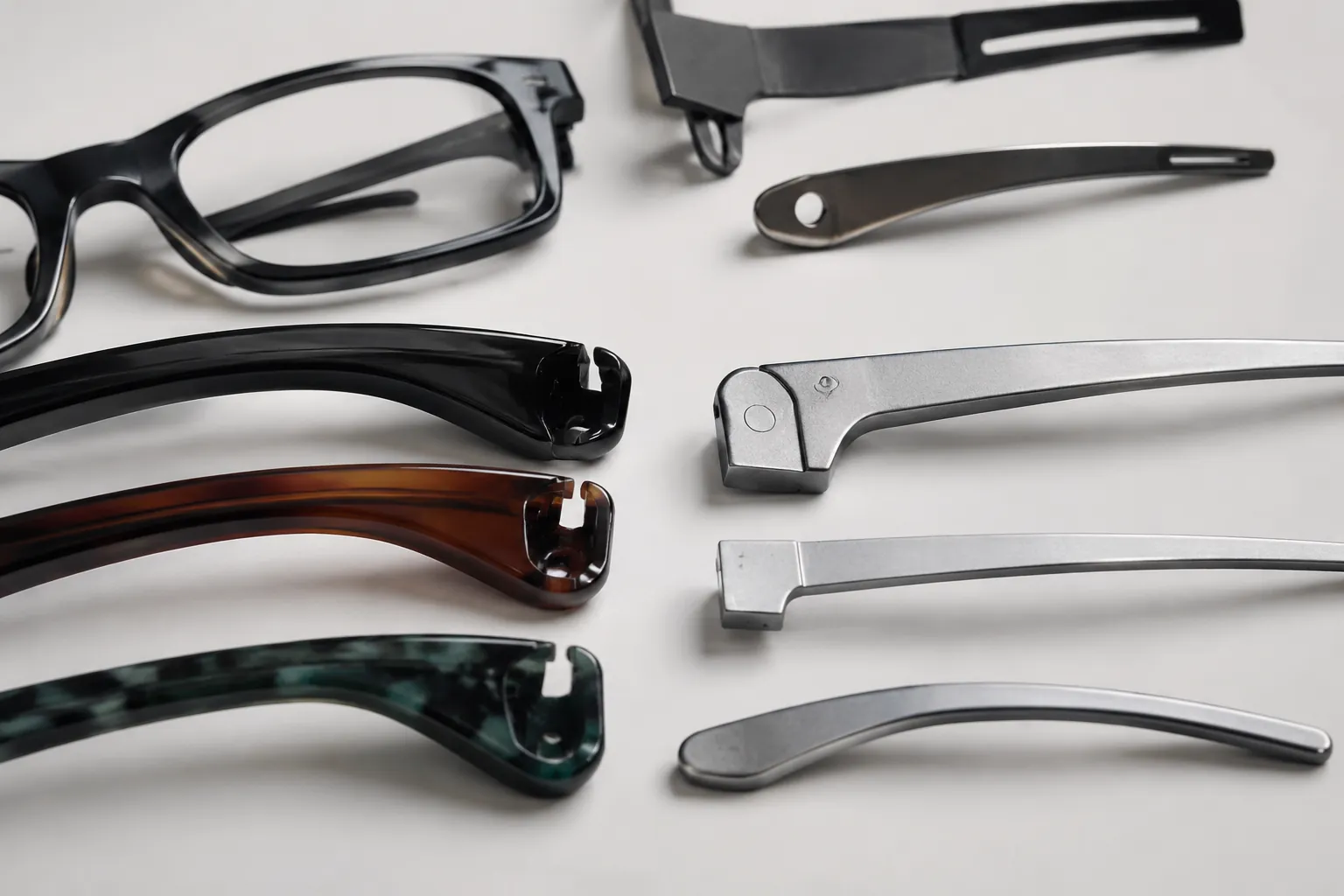
This guide is for brands, importers, distributors, and retailers buying decorated sunglasses in volume. The goal is simple: get a premium fashion look without stones, pearls, or logo plates failing in transit, at retail, or in normal use. Most claims in decorated eyewear trace back to a short list of preventable mistakes: the wrong attachment method for the frame material, trim placed in a flex zone, weak adhesive control, or no durability check before bulk production. Fix those early. Buyers who define trim construction, placement tolerances, and sample testing up front cut rework, delays, and claim stock.
Start with failure modes, not the decoration concept
Most quality problems in fashion-trim sunglasses are predictable before bulk production starts. Yet buyers often approve the look first and ask how it will perform later. That creates risk. On decorated eyewear, engineering should start with failure points, not artwork.
The most common failures are practical:
- Stone or pearl loss: weak adhesive bond, low-surface-energy plastic, too little bonding area, or no recess to resist shear.
- Glue yellowing or halo: especially visible around clear stones, white pearls, and light-colored painted frames after heat exposure or aging.
- Trim drift or asymmetry: left-right variation caused by manual placement on curved temples or angled front shapes.
- Frame cracking: holes, pins, or rivets placed too close to thin wall sections, hinge reinforcement, or lens groove areas.
- Paint or plating damage: prongs, cups, or metal plates scratching finished surfaces during assembly or packout.
- Transit loss: trims pass visual QC but detach after carton vibration, pair-to-pair rubbing, or pressure inside pouches or trays.
Ask the factory to assess each trim point as a stress map, not just as a styling feature. Higher-risk zones on sunglasses usually include:
- areas close to the hinge on the temple
- sharp outer brow corners on cat-eye and fashion fronts
- narrow bridge sections on thin injected frames
- temple sections that contact hair, hands, or case lining during use
If decoration must sit in one of those zones, reduce trim size and weight or switch to a construction with some mechanical retention. It matters. A small stone seated in a recess behaves very differently from a large raised stone glued onto a glossy curved temple. The first can hold up well if the seat, adhesive, and cure are controlled. The second is a claim risk unless the frame structure and packing method are designed around it.
Match the trim method to the frame material and wear risk
Not all trims belong on all frame materials. The base material affects surface energy, machining options, heat response, and long-term bond reliability.
| Trim type | Recommended construction | Best base material | Typical tolerance / control point | Main risk |
|---|---|---|---|---|
| Small rhinestones (1.5-3 mm) | Milled or molded recess + adhesive | Injection frames, acetate temples | Placement tolerance ±0.3-0.5 mm; recess depth consistency | Pop-out if glued on flat glossy surface |
| Large rhinestones (4-8 mm) | Metal cup or prong setting, sometimes with adhesive assist | Thick acetate or reinforced temple zones | Wall thickness check before drilling or setting | Snagging, added weight, cracking near fixing points |
| Half pearls / imitation pearls | Prepared seat + controlled low-visibility adhesive | Acetate, painted injection frames | Glue spread and halo control under inspection light | Yellowing glue, chipped paint edge |
| Metal logo plates | Pins, rivets, embedded plate, or recessed plate | Acetate and thicker injected temples | Plate flushness and rotation control | Edge lift or rotation if glue-only |
Injection-molded frames benefit from molded seats because repeatability is built into the tool. A flat, high-gloss injected temple is usually a weak base for glue-only trim unless the surface prep and adhesive system have been validated. Acetate gives more machining freedom because CNC milling can create pockets, channels, or plate seats, but wall thickness still has to be checked carefully.
Wear risk matters as much as material choice. A fashion sunglass meant for occasional use can carry more decoration than a daily-use frame expected to survive hot cars, handbag abrasion, and repeated folding. If the style is for daily wear, keep heavy or raised trims away from high-contact zones. Favor smaller, recessed, or mechanically fixed details.
Spec the decoration zone like a technical drawing
Many trim disputes start with vague approvals. A render that "looks centered" is not a production specification. Require a trim layout drawing with datums, dimensions, and keep-out zones.
- Define exact trim size, color, finish, and supplier reference.
- Set location from fixed datums such as hinge screw center, temple tip end, bridge centerline, or lens groove edge.
- State placement tolerance. For visible front trim, ±0.3 mm may suit flatter zones and ±0.5 mm curved temples, depending on construction and process capability.
- Mark no-decoration zones around hinges, folding lines, screw access, and thin wall sections.
- Specify trim profile: flush, recessed, or raised, with intended height above the surface if raised.
- Define acceptable glue visibility, especially for pearls and clear stones.
- Clarify left-right symmetry requirements and whether a placement jig is mandatory.
Process sequence matters too. If a frame combines pad printing, laser marking, painting, and metal trims, the order affects cosmetics and yield. For example, pad printing after stone setting can distort over an uneven surface. Installing a metal plate before final coating can improve edge appearance in some constructions, but it can also complicate masking and rework. On acetate, frame heating for fit adjustment should usually be finished before fragile decorative work. Heat can affect adhesive cure and trim alignment.
If the supplier handles molding, CNC, decoration, and QC in-house, use that advantage. Engineering can adjust the base frame to support the trim. That may mean widening a temple in the decoration zone, adding a molded recess, or moving the trim away from a flex point. Small changes here often prevent repeat bulk defects.
Build a sample test plan around real handling
A trim sample that looks good on day one proves very little. Decorated eyewear is a wear-and-transit product, not just a visual accessory. Sample approval should include durability checks before any bulk commitment.
A practical pre-bulk test plan should include:
- Manual pick and pull check: confirm trim does not shift, rotate, or lift under light handling.
- Open-close cycle test: especially important if decoration is near the hinge area.
- Tape challenge: useful for identifying weak surface preparation or poor adhesive cure.
- Heat exposure: check for adhesive yellowing, trim movement, coating print-through, or pearl discoloration.
- Carton vibration simulation: important for raised stones, plates, and cup-set trims.
- Post-test cosmetic inspection: inspect for edge lift, glue bleed, scratches, and left-right mismatch.
Ask for at least two meaningful approvals: one appearance sample and one pre-production sample made with the intended production method, jigs, adhesive, and cure conditions. For complex trim programs, keep a small retained sample set as the reference for bulk comparison and claim review.
Compliance still matters. Decorative work should not interfere with lens retention, optical performance, or product safety obligations in the destination market. Depending on market, relevant sunglass standards may include CE EN ISO 12312-1, ANSI Z80.3, and AS/NZS 1067. Material control matters as well: trims, coatings, inks, adhesives, and plated parts can all affect restricted-substance compliance. For EU sales, ask how the supplier manages materials against applicable REACH requirements. If the product will be sold in the US, confirm any applicable importer and product regulatory obligations directly. If a supplier mentions FDA registration, verify what it covers. Registration alone does not replace sunglass product compliance requirements.
Know what decoration changes in cost, MOQ, and lead time
Decorative trims affect more than unit price. They add sourcing steps, handwork, line balancing, cosmetic inspection, scrap exposure, and often slower packing. The effect is usually strongest on smaller orders because setup work is spread over fewer pairs.
Exact MOQ, sample timing, and bulk lead time vary by factory, trim sourcing route, and order complexity. Do not rely on generic promises. Ask the supplier to break out what is driving time and cost on the specific style: trim procurement, seat development, jig preparation, adhesive cure time, inspection steps, and protective packing requirements.
| Order stage | What adds time or cost | Typical effect | Buyer action |
|---|---|---|---|
| Sampling | Trim sourcing, color approval, seat design | Lead time can extend if trim specification is unclear or trims must be specially procured | Approve exact trim by dimension, finish, and reference before build |
| Pre-production | Jigs, operator instructions, adhesive and cure setup | Adds upfront work but can reduce bulk reject rate | Request a PPS made by the intended bulk method |
| Bulk assembly | Hand placement, cure time, extra inspection | Throughput is often slower than plain-frame production | Limit trim count if the target FOB is tight |
| Packing | Protecting raised trims from rubbing | May increase packing time and materials usage | Define pouch, tray, film, or partition needs early |
One useful value-engineering rule: if retail needs a more ornate look at a controlled cost, concentrate decoration into one or two high-visibility zones rather than scattering trims across the frame. That usually improves visual impact, process stability, and inspection consistency.
Control the process upstream, not only at final inspection
Factories that handle decorated eyewear well do not rely on final inspection to catch everything. They control the process step by step because most trim defects are created earlier. Final QC is too late.
Ask how the line controls these production points:
- Surface preparation: cleaning, dust removal, and any required treatment before adhesive application.
- Glue dosing: controlled quantity so stones do not float and glue does not bleed around edges.
- Placement jigs: fixed reference for left-right symmetry and repeatable spacing.
- Cure control: defined time and conditions before handling, packing, or any heat adjustment.
- In-line inspection: checks after placement, after cure, and before packout.
- Packing validation: confirmation that raised trims do not contact adjacent pairs under transit pressure.
An approval board helps here. The factory should be able to show physical examples of acceptable and reject conditions for glue spread, trim angle, spacing, scratch level, and plate edge fit. This matters even more on mixed-material constructions using injected fronts, acetate temples, coated surfaces, and metal trims, because each material reacts differently to heat, pressure, and solvents.
Sequence control is another common weak point. On acetate frames, warming and alignment adjustment after trim placement can reduce bond reliability or mark delicate finishes. Whenever possible, fitting corrections should be completed before fragile decorative operations begin.
If a supplier claims structured quality management, ask what is actually documented. ISO 9001 can indicate a formal quality-management system, but buyers should still review the relevant work instructions, inspection records, and sample retention method for the decorated style itself. If social compliance matters to your program, BSCI may also be relevant, but it does not replace product quality controls.
Use a PO checklist as a short technical contract
Many disputes happen because the purchase order specifies only color, logo, and quantity. For rhinestone, pearl, and fashion-trim sunglasses, the PO should define construction and acceptance criteria clearly enough that quality is measurable.
- Frame material and finish: acetate, painted injection, rubberized coating, plated metal detail, and color reference.
- Lens specification and market compliance requirement: CE EN ISO 12312-1, ANSI Z80.3, AS/NZS 1067, or the applicable combination.
- Exact trim type, size, finish, color, supplier reference, and count per pair.
- Attachment method: adhesive only, recessed seat + adhesive, prong setting, pinned plate, riveted plate, or embedded construction.
- Trim placement drawing with measurement points and tolerances.
- Cosmetic limits for glue visibility, spacing variation, missing parts, scratches, and edge lift.
- Required sample tests and retained samples for bulk comparison.
- Packing method for ocean or air shipment, including anti-rub protection for raised trims.
If the order volume is small, keep the design disciplined. Fewer trim SKUs, fewer colors, and fewer placement points reduce development loops and operator error. At larger volumes, it becomes easier to justify custom trim procurement, dedicated jigs, and more refined detailing because setup cost and process development are spread over more units.
Buyer rule: If a factory cannot explain how the trim is attached, cured, inspected, and protected in transit, the design is not ready for bulk.
Know when to simplify the design
Sometimes the best sourcing decision is to reduce the decoration load. That is not a compromise. It is good judgment. The buyer is aligning design ambition with price point, use case, and production reality.
Push back on the design if you see:
- large heavy stones on thin or flexible temples
- pearls placed on high-contact areas that rub against hair, hands, or pouch lining
- metal plates fixed by adhesive only on a curved glossy surface
- layouts crossing left-right mirror lines without a clear jig plan
- too many trim types on a small order where replacement consistency will be difficult to maintain
The strongest decorated sunglasses usually look deliberate, not overloaded. One well-executed temple detail, a clean mechanically fixed logo plate, or a controlled brow-line stone treatment often performs better at retail than scattered embellishment. It also packs faster, inspects more consistently, and generates fewer claims.
When a manufacturer has in-house molding, CNC, decoration, and QC, use that capability properly: request one sample focused on appearance and another built to validate durability if needed. Then lock the version that can actually be repeated in production, not just the one that photographs best.
Have a custom sunglasses project in mind?
Send us your styles, target market and quantities and we will return a detailed quote with MOQ, lead time and a sample plan.
Get a QuoteWhy source this from Wenzhou with LumiShades
Wenzhou in Zhejiang Province is widely regarded as China’s eyewear manufacturing capital, producing a large share of the world’s sunglasses. That concentration matters to buyers: a deep local supply chain for acetate sheet, hinges, lens blanks, plating and packaging means shorter component lead times, easier color and material matching, and a workforce with decades of eyewear-specific skill. LumiShades has manufactured in this ecosystem since 2009, and our vertical integration — in-house injection molding, acetate cutting, CNC milling, lens tinting, decoration and quality control — means no part of your order is quietly subcontracted to a workshop you cannot audit.
For international buyers, that vertical control translates into accountability. When a single factory owns every step, defects are traced and fixed at source rather than bounced between vendors, and your specifications survive intact from first sample to bulk. We back this with 15+ years of experience, shipments to 60+ countries, more than 5 million pairs produced per year and a 98.5% on-time delivery rate. Our certifications — CE EN ISO 12312-1, FDA registration, ANSI Z80.3, AS/NZS 1067, REACH, ISO 9001 and BSCI audit — mean the compliance documentation your market requires already exists. Explore our manufacturing capabilities and quality control process to see how this works in practice.
Frequently asked questions
Are glue-only rhinestones acceptable for bulk orders? They can be, but only under controlled conditions. Ask where the stones will be placed, what the base material is, whether the surface is glossy or textured, whether there is a recess, what adhesive system is used, and how cure is controlled. Glue-only construction is lower risk for small stones in low-stress areas. It is much riskier for large stones, hinge-area placements, curved glossy surfaces, or daily-use styles. For approval, request a pre-production sample made with the intended bulk process and ask for simple durability checks such as tape challenge, heat exposure, and post-test inspection.
What is the safest decoration for daily-use sunglasses? Usually low-profile trims in lower-stress zones: small recessed stones, limited decorative work on thicker temple sections, and mechanically fixed metal logo plates with controlled edge fit. Ask the factory to identify flex zones and contact zones before finalizing artwork. Avoid large raised trims near hinges, narrow temples, or areas that rub against hair, hands, or case lining. If the style is positioned for daily wear, specify durability checks that reflect repeated folding, heat exposure, and transit handling.
How many approval samples should a buyer request? At minimum, request two approvals: an appearance sample and a pre-production sample made with the intended bulk materials, trim source, adhesive, jigs, and cure conditions. If the trim layout is complex, keep retained samples as a signed reference for bulk inspection and claims review. Buyers should also ask the supplier to note any process changes between the sample and bulk, because a visually similar sample made by a different method is not a reliable production reference.
Do decorative trims affect compliance testing? Yes. Trims can affect safety, materials compliance, and cosmetic durability. They should not interfere with lens retention, create sharp edges, or introduce restricted substances through coatings, adhesives, plating, inks, or decorative parts. For sunglasses, confirm the product is developed for the destination market requirements, which may include CE EN ISO 12312-1, ANSI Z80.3, or AS/NZS 1067. For EU sales, ask how materials are managed against REACH. If a supplier mentions FDA registration for the US market, verify exactly what that registration covers and do not treat it as a substitute for product-level compliance review.
How should decorated sunglasses be packed for shipment? Packing should prevent pressure and rubbing on raised trim zones. Ask the supplier to identify where contact occurs when pairs are pouched, nested, inner-packed, and master-cartoned. Depending on the decoration, the solution may include individual pouches, partitioned trays, protective film on contact points, added spacing, or revised pair orientation inside cartons. Before approving bulk packing, request a packed sample or packing trial and ask for a post-transit inspection standard covering missing trims, scratches, glue damage, and plate lift.
Ready to start?
Explore our wayfarer sunglasses or request a quote — our sales team replies within 12 hours.
Request a Quote