
Source Adult, Teen, and Kids Sunglasses From One Factory
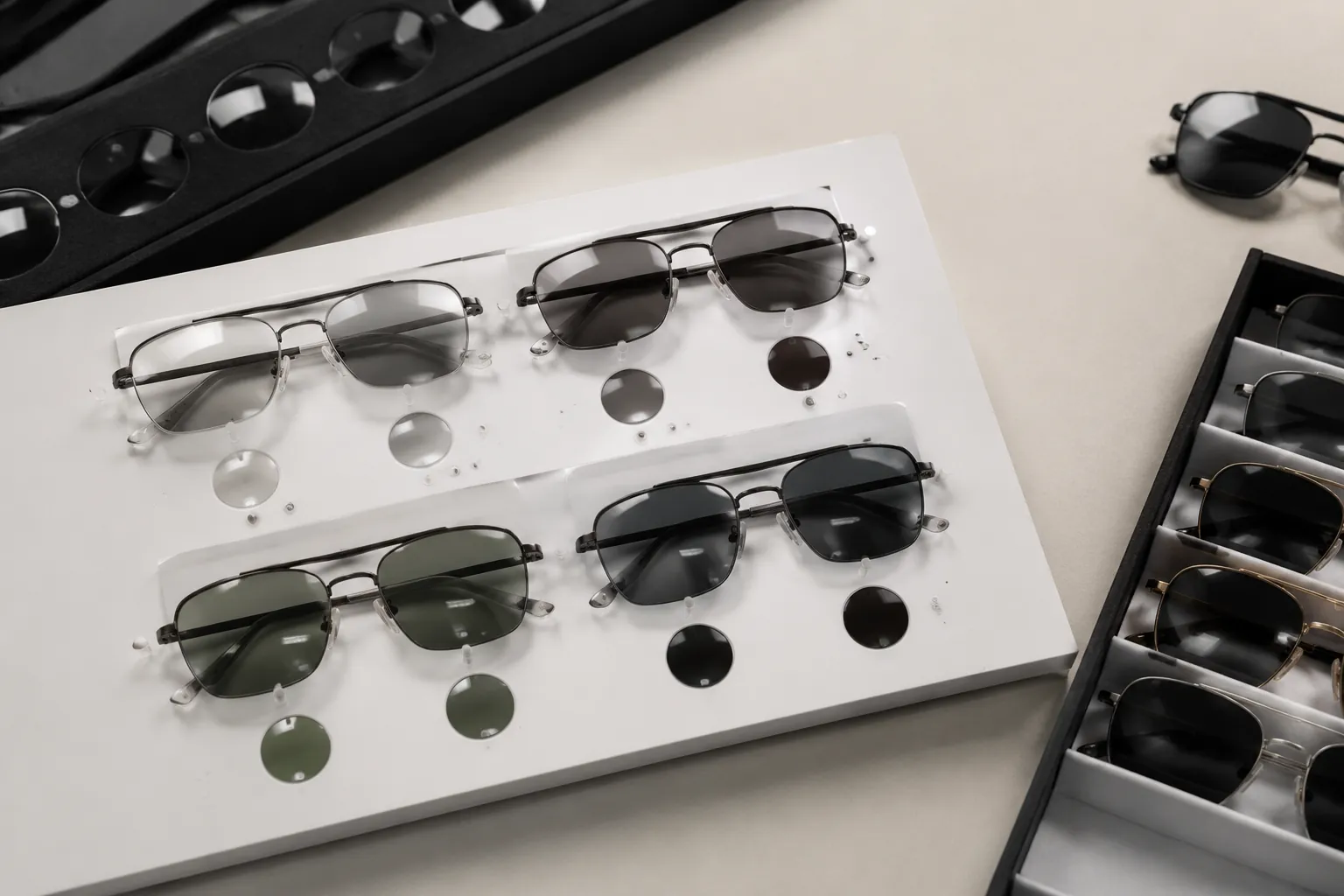
This guide is for brand owners, importers, distributors, and retailers that want adult, teen, and kids sunglasses from one manufacturer instead of juggling separate suppliers by age group. The business case is straightforward: shared components can cut purchasing complexity, simplify approvals, and make repeat orders easier to manage. But a one-factory model only works if the product family is engineered with discipline. Keep the parts and specs that should stay common. Change only what must change by age group, especially dimensions, fit geometry, weight, and selected colors. That is the difference between a controlled range and a messy assortment.
Build one product family, not three disconnected collections
Many sourcing problems start before the first quote. Adult, teen, and kids ranges are often briefed as separate collections, which leads to extra tooling splits, too many lens colors, inconsistent hardware, and repeated artwork approvals. Then the sample rounds multiply. Reorders get harder too.
A better approach is to build one frame family with controlled variation. Keep the style language consistent. Change only the dimensions and fit points that affect wear. In practice, that often means one front concept developed across three size bands while keeping the same lens category, hinge construction, temple profile, and branding method where the price position is the same.
For example, a square injected frame can be engineered in adult, teen, and kids sizes using the same hinge type, screw specification, lens material, and logo position. The dimensions that usually change are front width, lens width, temple length, bridge geometry, and total frame weight. That structure helps sourcing because the factory may be able to buy resin, lenses, screws, packaging, and trims in larger shared batches.
This modular logic also helps production planning. If the same supplier manages molding, finishing, lens edging or fitting, decoration, assembly, and final inspection, fewer component changes usually mean fewer setup changes between departments. Simple matters here.
- Keep common: base material, lens platform, hinge type, logo process, packaging structure, carton assortment logic.
- Change by age group: front width, temple length, bridge fit, frame weight target, and selected color mix.
- Review carefully: wrap angle, temple opening tension, logo trim size, and any small attached decorative parts on kids styles.
Think in modules, not isolated SKUs. The tighter the architecture, the easier it is to manage MOQ, approvals, and reorders without reopening avoidable engineering work.
What should stay shared across age groups
Experienced buyers separate consumer-facing variety from backend complexity. Most factories can produce variation. Far fewer can manage it efficiently. The difference usually comes down to how many specifications stay common across the family.
Material should stay shared where possible. If the program is based on one lightweight injected frame material, keeping that material consistent across adult, teen, and kids usually simplifies color control, finishing steps, and defect management. Splitting adult into acetate, teen into one injected material, and kids into another blend may make sense in some ranges, but it creates different process controls and different quality risks.
Lens platform should stay shared where practical. If all three age groups are intended to use the same sunglass category and UV performance, aligning lens material, thickness range, and coating approach usually makes development and replenishment easier. Once the line splits into multiple tint systems or coating types by age group, the factory has more separate batches to manage and the buyer has more approvals to chase.
Hardware fragmentation is a hidden cost. Small changes in hinges, screws, washers, or metal logo plates may look minor on a spec sheet, but they create separate purchasing, stocking, assembly, and replacement requirements. If one hinge construction works across the family, that is usually the cleaner choice. The same applies to decoration. One pad print method plus one engraving option is easier to control than several branding methods spread across low volumes.
Packaging is another place to simplify. Keeping pouch type, barcode placement, warning label structure, master carton count, and inner-pack format aligned can reduce packing errors and make repeat orders easier, unless a retail channel requires a different presentation.
Fit is where variation should remain. Kids styles often need lower total weight, shorter temples, and careful review of trim scale. Teen frames usually aim for an adult look in reduced proportions. Adult lines can usually absorb a wider shape range because the fit requirements are less tied to small face sizes.
Plan size bands and fit tolerances to avoid tooling waste
You do not need a new tool for every audience. Not if the size ladder is planned properly. For many commercial programs, three controlled size bands are enough. The goal is to avoid random size jumps that force unnecessary engineering changes while still keeping each age group wearable.
| Age group | Typical lens width | Temple length | Target frame weight | Key fit priority | Sourcing note |
|---|---|---|---|---|---|
| Kids | 44-48 mm | 120-130 mm | 18-24 g | Low weight and stable fit | Control front thickness and trim weight so small faces are not overloaded |
| Teen | 49-53 mm | 130-138 mm | 22-28 g | Adult look in reduced scale | Often the easiest bridge SKU between kids and adult sizes |
| Adult | 52-58 mm | 138-145 mm | 26-34 g | Style range and all-day comfort | Can often share hinges, lens colors, and branding with teen versions |
These are planning ranges, not fixed rules. A 54 mm adult frame may only need a 51 mm teen version and a 46 mm kids version to preserve the same visual identity. That is usually more efficient than redesigning each segment from scratch.
Tolerances matter. Buyers should ask suppliers how they control front width, temple length, lens seating, and left-right symmetry. The exact tolerance band should come from the factory process, frame construction, and approved drawing, not from guesswork. What matters is that the supplier defines measurable controls for the dimensions that affect assembly, fit, and visual balance, then applies those controls consistently during production.
For acetate families, the same logic still applies even though the process differs. Reusing temple shapes, wire cores, hinge constructions, and trim sizes across three front sizes can reduce CNC programming changes, polishing variation, and hardware complexity. Keep the age-specific fit work where it belongs: in the dimensions that actually need to change.
Simplify material and component choices
If the goal is to source adult, teen, and kids sunglasses efficiently from one supplier, material selection should start with process stability, then price position, then aesthetics. Many buyers do the reverse. It slows everything down.
Injection-molded frames are often the most practical route for broad age assortments because they support repeatable dimensions, scalable color programs, and relatively efficient volume production once the tool and specifications are approved. They also tend to suit trial orders and step-up volume planning better than more labor-intensive constructions.
Acetate can work well for premium programs, but it introduces more variables: sheet selection, cutting, CNC milling, polishing, hand finishing, and visible color variation from sheet patterns. That complexity can be justified when the retail concept supports it. It is usually less efficient when the brief is a value-driven multi-age family with tight price targets.
Lens consistency matters just as much. Keeping one lens material and one core tint system across the family can help the factory batch production more efficiently and reduce the number of visual approvals needed. If each age group uses a different tint or coating effect, development and bulk control get more complicated fast.
Decoration should be simple too. Pad printing is widely used for logos because it is cost-efficient and repeatable. Engraving may suit certain trims or internal branding details. Added processes such as complex multi-pass prints or attached decorative plates may be commercially justified, but every added step increases setup time and inspection requirements. On kids styles, any decorative hardware should be reviewed carefully for attachment consistency and suitability for the intended design.
The rule is blunt: reduce unnecessary variables. One frame material, one lens platform, a limited color set, and one or two branding methods are easier to source and control than a fragmented spec set.
Use MOQ, price breaks, and pooled volume in the right order
MOQ is not just a negotiation point. It is a planning tool. Use it to decide how to build the assortment in stages. When a factory offers low trial quantities but better pricing at higher volumes, the program should be structured to move from market testing into pooled family volume as soon as real demand supports it.
- Approve one hero design family first. Do not open several unrelated concepts at the same time unless there is a clear commercial reason.
- Launch the adult size first. This often sets the visual standard and locks the material, lens tone, and branding details.
- Add the teen size second. Engineering changes are often narrower than a full new concept, so this can be an efficient way to build family volume.
- Add kids after fit review. Kids should not be treated as a simple downscale because temple length, bridge fit, trim scale, and total weight need specific review.
- Pool raw materials across SKUs. Shared resin, acetate color, hinge sets, screws, lens batches, and packaging materials can improve production efficiency even when finished sizes differ.
A practical approach is to test one coordinated family order instead of three unrelated micro-orders. A buyer may divide the first order across adult, teen, and kids sizes while keeping the same material platform and common components. That gives earlier sell-through data across age segments without fragmenting the supply base from day one.
Price logic usually improves once the program moves beyond very small sampling or pilot quantities because setup cost is spread across a larger run. The exact breakpoints vary by supplier, material, tooling, and decoration method, so buyers should ask for a price ladder tied to realistic order quantities and shared-component assumptions rather than relying on a single quoted MOQ.
Keep lead times short with strict approvals
Factories often quote attractive lead times. The real question is what makes those dates slip. In mixed-age programs, delays usually come from approval changes, not from headline production capacity.
A realistic sampling and bulk schedule depends on product type, material, order quantity, decoration complexity, and whether tooling already exists. Buyers should ask for a stage-by-stage timeline that separates development sample time, pre-production approval time, testing time if required, and bulk production time after approval. One lead-time number is not enough.
The approval sequence should be strict. First lock the common specifications: material, color references, lens category, lens tint, hinge type, logo method, packaging format, and barcode logic. Then review the size-specific differences: front dimensions, temple lengths, bridge fit, and weight target. Only after those points are approved should the factory prepare final pre-production samples.
- Sample stage: confirm drawings, color references, logo artwork, lens category, and pack-out before final sample approval.
- Testing stage: align required market standards before bulk, such as CE EN ISO 12312-1, ANSI Z80.3, or AS/NZS 1067 depending on destination.
- Chemical compliance stage: confirm REACH-related requirements early for coatings, inks, soft-touch finishes, and trims.
- Production stage: keep one buyer-side owner responsible for final approvals so the factory does not receive conflicting instructions.
Late changes reset calendars. If the buyer switches from pad print to a metal logo plate after sample sign-off, the supplier may need new trims, revised attachment checks, and fresh visual approval. That is not a small update. It is a spec change with timing consequences.
Manage compliance and QC by SKU, not by assumption
Adult, teen, and kids sunglasses can come from one factory, but compliance still needs SKU-level discipline. A passing adult sample does not automatically validate smaller sizes, decorative changes, or different constructions. Buyers should request documents and test plans that match the destination market and the actual shipped configuration, not a generic folder of unrelated certificates.
In this sourcing context, the most commonly referenced frameworks may include CE EN ISO 12312-1, ANSI Z80.3, AS/NZS 1067, FDA registration where applicable, REACH, ISO 9001, and BSCI. These do not serve the same purpose. Product test standards address sunglass performance requirements for specific markets. REACH relates to chemical compliance obligations. ISO 9001 relates to quality management systems. BSCI relates to social compliance auditing. FDA registration may be relevant in certain U.S. business contexts, but it is not a substitute for product compliance. Buyers should confirm which of these actually apply to the target market, channel, and product construction before production starts.
QC should combine shared checks with age-specific controls. Shared checks often include lens appearance, tint consistency against the approved standard, labeling consistency, hinge function, screw tightness, logo placement, surface finish, and carton marking. For kids styles, inspectors should add focused checks on weight balance, fit symmetry, decorative part security where applicable, and decoration adhesion on curved surfaces.
A stronger factory can explain what it inspects in-house at each stage. That may include incoming material checks, first-off confirmation, inline finish review, lens comparison against approved standards, assembly checks for left-right alignment, and final random inspection before packing. A supplier that controls more core processes internally usually has a shorter correction loop when color, fit, or finish drifts during production. Even so, the buyer should ask for a real control plan, not a generic quality claim.
For mixed-age programs, the most useful question is simple: what is checked on every size family, what is checked by lot, and what extra controls apply to kids styles? Clear answers matter.
Follow a practical workflow for one-factory multi-age programs
The most reliable workflow keeps the consumer assortment broad while keeping the manufacturing logic narrow. Open the range in sequence. Freeze shared components early.
- Define the family architecture: one design language, three size bands, one lens platform, one main branding method.
- Freeze common parts: frame material, hinge construction, lens category, decoration process, packaging format, and barcode structure.
- Open only necessary differences: front width, temple length, bridge geometry, weight target, and selected age-specific colors.
- Sample in order: adult first, teen second, kids third, using each approval to reduce risk in the next size.
- Confirm the compliance route: align target markets with CE EN ISO 12312-1, ANSI Z80.3, AS/NZS 1067, FDA registration where relevant, and REACH expectations.
- Place the first PO in grouped volume: use low MOQ only for limited tests, then move to higher-volume logic once the family proves viable.
- Forecast reorders by shared components: plan resin, acetate color, lens batches, screws, hinges, trims, and packaging as family demand, not isolated SKU demand.
This is how buyers avoid splitting adult, teen, and kids business across multiple factories. The customer still sees variety in shape, fit, and color. The factory sees a controlled architecture with repeatable parts, stable process settings, and more predictable replenishment.
If three age groups require different materials, multiple unrelated lens systems, and several decoration methods, the program is no longer a simple shared family. Treat it as a more complex sourcing structure.
Handled well, this approach usually leads to clearer price comparisons, fewer approval loops, more stable lead-time planning, and cleaner reorder execution. That is the practical upside of sourcing multi-age sunglasses from one supplier.
Have a custom sunglasses project in mind?
Send us your styles, target market and quantities and we will return a detailed quote with MOQ, lead time and a sample plan.
Get a QuoteWhy source this from Wenzhou with LumiShades
Wenzhou in Zhejiang Province is widely regarded as China’s eyewear manufacturing capital, producing a large share of the world’s sunglasses. That concentration matters to buyers: a deep local supply chain for acetate sheet, hinges, lens blanks, plating and packaging means shorter component lead times, easier color and material matching, and a workforce with decades of eyewear-specific skill. LumiShades has manufactured in this ecosystem since 2009, and our vertical integration — in-house injection molding, acetate cutting, CNC milling, lens tinting, decoration and quality control — means no part of your order is quietly subcontracted to a workshop you cannot audit.
For international buyers, that vertical control translates into accountability. When a single factory owns every step, defects are traced and fixed at source rather than bounced between vendors, and your specifications survive intact from first sample to bulk. We back this with 15+ years of experience, shipments to 60+ countries, more than 5 million pairs produced per year and a 98.5% on-time delivery rate. Our certifications — CE EN ISO 12312-1, FDA registration, ANSI Z80.3, AS/NZS 1067, REACH, ISO 9001 and BSCI audit — mean the compliance documentation your market requires already exists. Explore our manufacturing capabilities and quality control process to see how this works in practice.
Frequently asked questions
Can one certification set cover adult, teen, and kids sunglasses in the same family? Not automatically. Shared construction can reduce testing complexity, but you should confirm with the supplier and your compliance partner whether each size or variant needs its own review, test report, or document set for the destination market. Ask for test reports that match the actual shipped construction, lens category, labeling, and market standard, such as CE EN ISO 12312-1, ANSI Z80.3, or AS/NZS 1067 where applicable.
What is the best way to use a 50-pair MOQ without creating too many weak SKUs? Use that quantity for a narrow purpose only: a pilot launch, a customer-specific test, or a market check on one design family. Keep the trial built on shared materials and shared components so the program can scale cleanly if it sells. Before placing the order, ask the factory for the next price breaks, which components can be pooled across sizes, and what minimums apply to lenses, packaging, or trims beyond the headline MOQ.
Should kids frames just be scaled-down adult frames? No. The visual concept can stay aligned, but the kids version should be reviewed as its own fit project. Confirm shorter temple length, lower target weight, bridge fit, and the scale of logos or decorative parts. Ask for a size drawing, a wearable sample, and a buyer-side fit review before approving bulk, because simple downscaling can produce poor balance and unstable fit.
How do I keep lead times under control on mixed-age orders? Lock the shared specifications first, approve sizes in sequence, and keep one decision-maker responsible for final sign-off. Ask the supplier for a timeline broken into sampling, pre-production approval, testing if required, and bulk production. Then confirm which changes would restart tooling, decoration approval, or material purchasing so you know exactly what can delay shipment.
Which in-house processes matter most for a one-supplier strategy? Focus on the processes that most affect consistency and response time: frame fabrication, lens preparation, decoration, assembly, and final inspection. Then ask which of those are handled internally and which are outsourced. The practical follow-up question is how the factory corrects problems when color, fit, or finish drifts, because that tells you more than a general claim about being a full-service supplier.
Ready to start?
Explore our cat-eye sunglasses or request a quote — our sales team replies within 12 hours.
Request a Quote