
Reducing Lens Shade Variance on Reorders
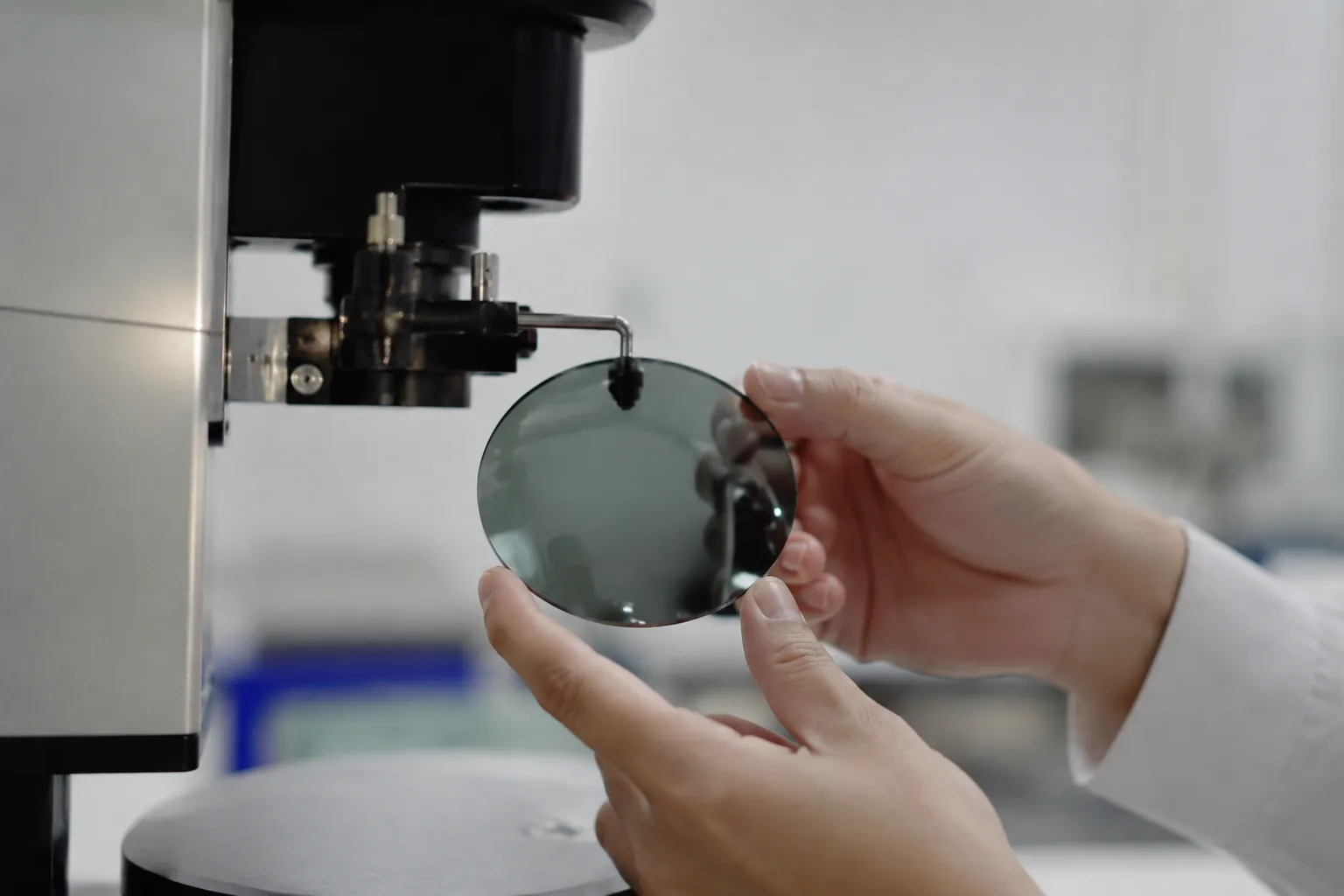
This guide is for brand owners, importers, and eyewear buyers who need tinted sunglass lenses to look consistent from one order to the next. The payoff is simple: fewer approval loops, fewer disputes over bulk appearance, and less risk of mixed-looking stock at retail. Shade variance is rarely one big failure. It is usually several small ones: a different raw-material lot, a tint bath that drifted, a coating stack that changed the undertone, or a reorder team working from a vague sample reference. Repeatability improves when the approved standard, measurable limits, production checkpoints, and reorder documents are locked before bulk starts.
Where lens shade variance starts
Buyers often call it a color mismatch. The real cause is usually broader process drift, not dye alone. A lens can shift because the base material changed, tint concentration drifted, immersion time varied, drying and stabilization differed, or the factory referenced the wrong approved sample from an earlier PO.
Production route matters. Injection-molded lenses tinted after molding are sensitive to dye concentration, bath temperature, immersion time, and post-process stabilization. Solid-color lenses made with pigment compounded into raw material remove one source of variation, but they can still change in appearance with resin lot, pellet condition, molding temperature, and cycle settings. Gradient lenses add another layer of risk. Top density, fade length, and bottom transmission all need to match the approved standard. A lens can look close and still fail side by side.
Material also affects the result. Polycarbonate, nylon, TAC, and acrylic do not behave the same way in tinting, lamination, or coating. TAC polarized lenses need control as a finished system because the polarized film, adhesive layers, and outer layers all affect final appearance. Even if the tint formula stays the same, mirror coatings, backside AR, and other surface treatments can shift how the lens looks.
Shade control is a system issue. Not a single recipe.
- Common drift points: raw-material lot, pre-tint lens clarity, dye concentration, bath condition, immersion time, drying and stabilization, coating variation, and wrong sample reference
- Most vulnerable programs: transparent fashion tints, tea lenses, gradients, and mirrored polarized lenses
- Most forgiving programs: dark grey and dark brown solid tints, provided visible light transmission stays within the approved target
In-house lens processing can reduce handoff errors between subcontractors. It only helps if buyer and factory define one exact standard and one exact checking method.
Set a master standard with tolerances
The strongest control is a physical master standard retained by both buyer and factory. Not a phone image. Not a warehouse sample pulled later with no traceability. Not a note that says same as last order. Use a signed master lens or approved finished sample tied to a SKU, lens material, tint code, construction, and approval date.
For reorder control, the standard should include measurable data. At minimum, record the target visible light transmission and the acceptable tolerance. The exact tolerance should be agreed by buyer and supplier based on the lens program, visual sensitivity of the tint, and regulatory target. For gradients, define how the lens will be checked and where readings will be taken. If your team uses instrumental color control, record the method and approved readings from the master sample so later comparisons use the same basis. Even if final decisions stay visual, objective data helps resolve disputes faster.
The master file should normally include:
- Lens material and construction
- Base lens color before tinting or coating
- Target VLT and allowed range
- Whether the lens is solid, gradient, polarized, mirrored, or combined
- Front and back coating stack, including hard coat, AR, hydrophobic, oleophobic, or mirror finish
- Approved sample date, PO number, version number, and buyer sign-off
- Visual notes such as acceptable undertone and clear no-go points
Store one retained master at the factory and one with the buyer. Protect both from UV exposure, heat, and contamination. Dyed lenses and coatings can change over time if stored poorly. If the retained sample has visibly aged, replace it through formal re-approval instead of using a degraded reference.
If the product is sold as sunglasses, shade is not just cosmetic. A darker or lighter reorder can change visible light transmission enough to affect classification or test outcome under standards such as CE EN ISO 12312-1, ANSI Z80.3, or AS/NZS 1067. Where applicable, keep supporting compliance documentation aligned with the approved lens specification. Supplier controls such as REACH, FDA registration, ISO 9001, and BSCI may also matter, but they do not replace product-specific lens approval.
Match approval to the lens program
Different lens programs need different approval discipline. A dark smoke lens for a low-risk promotional style can often be controlled with a physical master plus transmission check. A transparent pink, fashion tea, or gradient lens usually needs stricter review because small hue shifts are easier to see, especially under retail lighting.
| Lens program | Main variance risk | Best approval method | Recommended measurable control |
|---|---|---|---|
| Solid grey or brown tint | Lightness drift, undertone shift | Physical master plus transmission check | Target VLT with agreed tolerance; confirm category |
| Fashion transparent tint | Hue shift becomes obvious fast | Physical master reviewed in a controlled light environment | Agreed VLT tolerance; record hue notes or instrumental color data if used |
| Gradient tint | Top density and fade position vary | Approved full lens sample with orientation standard | Defined top/middle/bottom checks; transition position tolerance in mm if critical |
| Polarized mirrored lens | Base tint and mirror layer interact | Approved finished lens under fixed lighting | Base VLT, mirror color code, coating stack, and polarization confirmation |
A common buying mistake is loose sampling at approval and tight matching expectations later. That creates avoidable claims. For color-sensitive lenses, separate approval into two steps if needed: first confirm color direction, then lock the final production standard. The number of rounds matters less than whether the final approved sample is specific enough to execute without guesswork.
Approval conditions matter as much as the sample itself. Review lenses under a controlled light box or another stable daylight-equivalent environment. Inconsistent lighting hides small differences at approval and creates disputes later in bulk.
Add checkpoints inside production
Final inspection is too late to catch tint drift cheaply. Good process control checks lens shade at several stages before assembly. This matters more as volume rises. A small mismatch caught early can often be corrected. The same mismatch discovered after assembly can become a large rework or claim.
- Incoming material control: Verify resin, lens blank, or TAC construction against the approved program. Check base clarity, thickness, and any visible undertone before processing.
- First-off tint trial: Run a pilot batch and compare it to the approved master before full production continues.
- Bath control: Monitor the process variables the factory actually uses for that tinting method, such as concentration, temperature, immersion time, and replenishment practice.
- Post-process review: Recheck after lenses have dried and stabilized, because fresh-from-process appearance may differ from the final settled look.
- Coating and mirror verification: If mirror or AR is applied, compare the finished lens again because the coating stack can change perceived color.
- Pair matching before assembly: Match left and right lenses by lot and appearance so one frame does not leave with visibly mismatched lenses.
- Final AQL inspection: Confirm the finished sunglasses still meet the approved appearance, VLT target, and any functional requirements.
For buyers, the useful question is not whether tint can be controlled. It is what evidence proves the critical controls were followed. Practical records may include first-off comparison photos taken under a fixed setup, retained sample identification by lot, and production records for the variables that affect the result. You do not need every internal factory detail. You do need traceable proof.
Write reorder documents for production
Much shade variance starts in the PO file. Buyers reuse an older tech pack, change the frame color, and write same as previous order. The factory then has to guess which previous order is the right reference. If there were multiple sample rounds, a running change, or a replacement shipment, that guess can be wrong.
Your reorder pack should be specific enough that a production supervisor can execute it without interpretation. Include the approved sample code, previous PO number, lens material, lens construction, tint description in plain language, internal tint code if one exists, target VLT or category, and clear visual no-go notes. If the lens uses decoration or coatings, state them explicitly: for example, silver mirror, backside AR, hard coat, or hydrophobic top coat.
If you supply more than one market, note the destination requirement in the reorder file so product documentation stays aligned with the applicable standard, whether CE EN ISO 12312-1, ANSI Z80.3, or AS/NZS 1067. If material-control requirements apply, include the relevant REACH expectations in the file as well. Supplier-level records such as FDA registration, ISO 9001, or BSCI may support vendor qualification, but the reorder file still needs product-level clarity.
Traceability helps. A lot code on packaging or master cartons makes later review easier if one batch needs attention. Many buyers also ask the factory to archive one retained sample from the approved bulk lot, not only from the sample stage. In practice, that bulk-retained sample is often the best visual reference for the next reorder because it reflects what actually shipped.
Basic documentation still saves time, money, and claims.
Weigh control against cost and lead time
Buyers often want near-perfect shade repeatability without extra cost or time. In production, tighter control is possible, but it usually needs more disciplined setup, better retained-sample management, more in-process verification, and sometimes sorting or rechecking.
| Control level | Typical use case | Cost effect | Lead-time effect | Reorder risk |
|---|---|---|---|---|
| Basic visual match only | Low-risk promo sunglasses | Lowest | Fastest | Highest visible drift risk |
| Master sample plus process record | Core private-label carryover styles | Low to moderate | Usually limited if the process is stable | Good control if documents are clear |
| Master sample plus stricter checkpoints | Fashion tints, multi-market programs | Moderate | May add approval or verification time | Lower drift and fewer disputes |
| Very tight batch matching and extra sorting | Major retail launch or side-by-side replenishment | Highest | Can extend production | Best visual consistency |
MOQ and price structure matter because there is less room to absorb extra process control on small runs. On larger programs, preventive control is usually cheaper than a shade claim after shipment. Match the control plan to the commercial value and exposure of the style. An evergreen carryover SKU or a retailer replenishment program usually justifies tighter control than a one-time giveaway item.
When discussing cost, ask the supplier which controls are standard for the quoted price and which need extra time or handling. That keeps expectations realistic before bulk starts.
Ask these questions before bulk
If you want fewer surprises, ask a short list of direct questions before bulk starts. These questions identify most of the real risk without creating unnecessary paperwork.
- Is the factory using the same lens material source and construction as the approved order?
- Is there a retained master sample linked to the exact SKU and PO?
- Has the tint process, raw-material lot logic, or coating supplier changed in a way that could affect appearance?
- Will a first production batch be checked against both appearance and VLT target before the full run continues?
- Are left and right lenses matched by lot and appearance before assembly?
- Has any mirror, AR, or other coating changed the perceived lens color compared with the approved sample?
- If this lot will sit beside older stock at retail, has the factory compared it to the last approved bulk-retained sample as well as the sample-stage master?
If any answer is vague, stop and clarify before production continues. That matters most for retailer resets, replenishment orders, and color-sensitive programs such as transparent tints and gradients. Side-by-side retail comparison is where small differences become commercial problems.
A capable supplier should be comfortable with these questions. They are standard production controls, not distrust.
A workable control plan for the next PO
If your last reorder showed visible shade drift, fix the process on the next one instead of arguing only about credit terms after the fact. Start by locking a new physical master standard and recording its measurable targets. Then update the tech pack and PO template so the standard can be identified without guesswork. Next, require first-off confirmation before the full run proceeds.
For any lens that is visually sensitive or compliance-critical, ask the factory to archive one retained sample from bulk together with the key process record for that lot. If the style is a carryover item, reference that retained bulk sample on the next reorder unless a new standard is approved in writing. The rule should be simple enough that the production floor can follow it consistently.
A practical buyer workflow looks like this:
- Approve a physical master with recorded VLT and visual notes.
- Store one master with the buyer and one at the factory.
- Reference the exact sample code and prior PO on every reorder.
- Require first-off comparison before full-batch tinting or finishing.
- Retain one approved bulk sample by production lot for the next PO.
- Escalate the control level only for styles where retail visibility or compliance risk justifies the added cost.
The key factor is not a general claim of capability. It is whether the paperwork, tolerance limits, retained samples, and production checkpoints are strong enough to make the result repeatable from one order to the next.
Have a custom sunglasses project in mind?
Send us your styles, target market and quantities and we will return a detailed quote with MOQ, lead time and a sample plan.
Get a QuoteWhy source this from Wenzhou with LumiShades
Wenzhou in Zhejiang Province is widely regarded as China’s eyewear manufacturing capital, producing a large share of the world’s sunglasses. That concentration matters to buyers: a deep local supply chain for acetate sheet, hinges, lens blanks, plating and packaging means shorter component lead times, easier color and material matching, and a workforce with decades of eyewear-specific skill. LumiShades has manufactured in this ecosystem since 2009, and our vertical integration — in-house injection molding, acetate cutting, CNC milling, lens tinting, decoration and quality control — means no part of your order is quietly subcontracted to a workshop you cannot audit.
For international buyers, that vertical control translates into accountability. When a single factory owns every step, defects are traced and fixed at source rather than bounced between vendors, and your specifications survive intact from first sample to bulk. We back this with 15+ years of experience, shipments to 60+ countries, more than 5 million pairs produced per year and a 98.5% on-time delivery rate. Our certifications — CE EN ISO 12312-1, FDA registration, ANSI Z80.3, AS/NZS 1067, REACH, ISO 9001 and BSCI audit — mean the compliance documentation your market requires already exists. Explore our manufacturing capabilities and quality control process to see how this works in practice.
Frequently asked questions
How much lens shade variation is normal on a reorder? Some variation is normal in mass production, but acceptable limits should be defined before bulk starts, not argued afterward. The practical step is to approve a physical master sample and record a target VLT with an agreed tolerance that fits the lens program. Dark commercial tints usually allow more visual flexibility than transparent fashion tints or gradients. If the difference is obvious in side-by-side retail comparison, or if the reorder falls outside the agreed transmission range, the control method was not tight enough for that SKU.
Is a physical master sample better than approving a Pantone color? Yes. Pantone can help communicate color direction, but it is not enough for tinted sunglass lenses. It does not capture transmitted color, lens depth, gradient position, substrate undertone, polarization effects, or the visual shift caused by mirror or AR coatings. Use a retained physical master sample and back it up with recorded data such as VLT, lens construction, and coating details.
Can compliance testing be affected by a darker or lighter reorder? Yes. Shade changes can change visible light transmission, which may affect classification or test outcome under CE EN ISO 12312-1, ANSI Z80.3, or AS/NZS 1067. Treat lens tint as a functional specification as well as an appearance standard. Before releasing bulk, confirm that the approved sample, production target, and compliance documents all refer to the same lens construction and transmission range.
Should I request pre-shipment photos for lens color approval? Use photos only as a supporting checkpoint, not the final approval method. Camera white balance, exposure, reflections, and screen settings can distort lens appearance. If you request photos, specify a fixed setup: same light source, same background, same angle, and comparison against the approved master in the same frame. For final control, rely on the retained physical standard and agreed measurable checks such as VLT.
What is the best time to catch shade drift during production? The most cost-effective time is before full production continues and again after any coating that can change appearance. In practice, require a first-off check against the master sample, confirmation of the agreed VLT target, and a second comparison after mirror or AR application if used. Catching drift at final inspection is expensive. Catching it after shipment is worse.
Ready to start?
Explore our sport wrap sunglasses or request a quote — our sales team replies within 12 hours.
Request a Quote