
Private Label Sunglasses RFQ Template
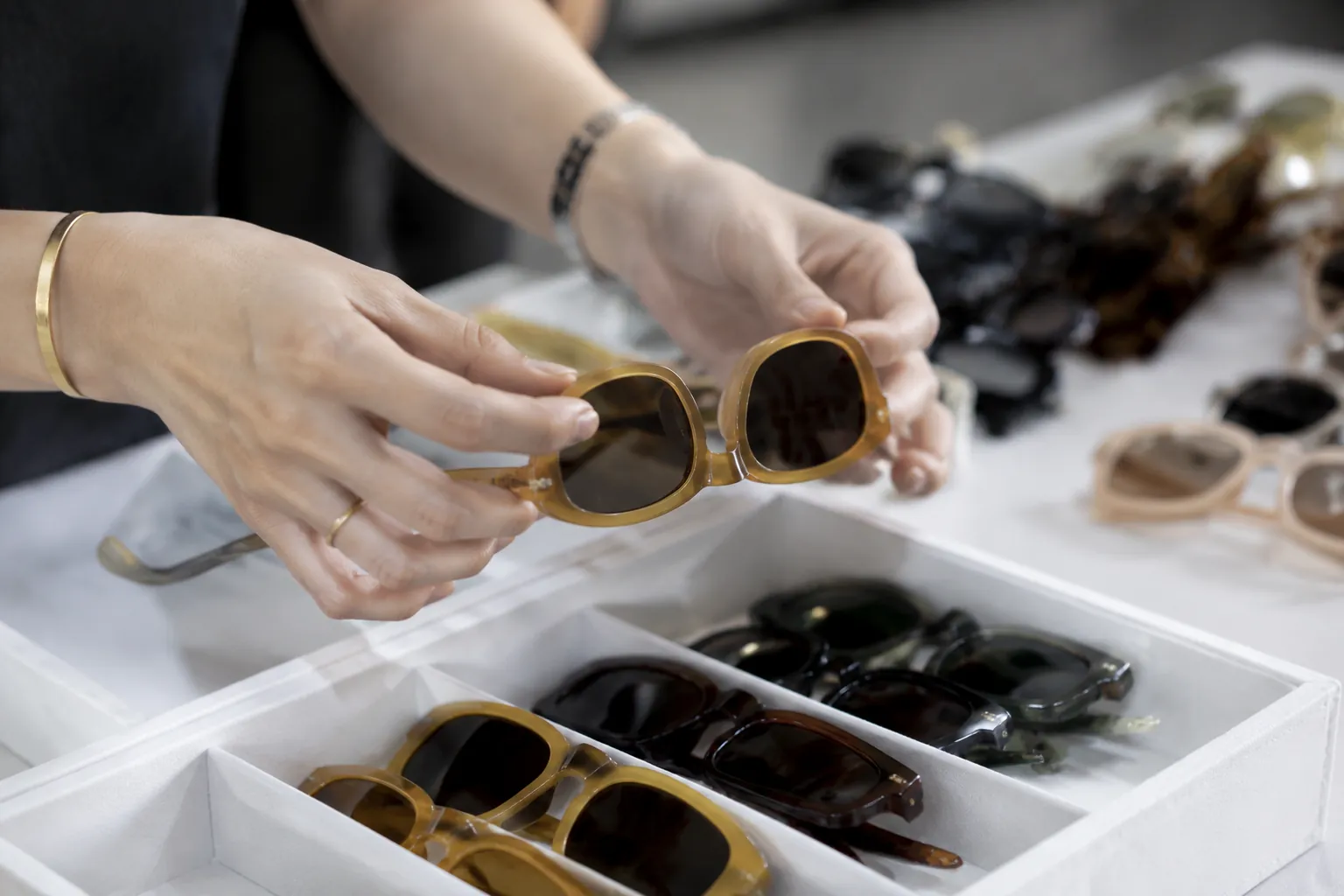
This guide is for brand owners, importers, distributors, and retailers sourcing private label sunglasses in volume. A vague RFQ wastes time. It leads to slow replies, mismatched assumptions, sample disputes, and price changes after approval. A strong RFQ gives the factory enough detail to price the product you actually plan to buy. It also exposes technical risks early and shows whether your target cost and delivery date are realistic. Use the structure below to brief multiple suppliers in the same format and compare their replies without guesswork.
Why sunglasses RFQs are misquoted
Most quote problems start with an underdefined product. "Acetate sunglasses with logo" is not enough. Frame material, lens material, hinge type, surface finish, logo method, packaging level, compliance standard, and quantity split all affect cost, lead time, and feasibility.
Two sunglasses can look almost identical in a photo and still require different production routes. A basic PC lens is not priced like a TAC polarized lens with mirror coating. An injection-molded TR90 frame is not built like a hand-finished acetate frame. A pad-printed logo is different from a metal logo plate installed during assembly. If the RFQ leaves these points open, each supplier fills in the gaps differently. Then the quotes are not comparable.
Factory capability matters too. Verify it. Ask which processes are handled in-house and which are outsourced, such as injection molding, acetate cutting, CNC milling, polishing, lens tinting, lens coating, decoration, assembly, and QC. In-house control can reduce coordination risk, but it does not replace a complete specification.
Rule: If a supplier has to ask several basic product questions before quoting, the RFQ is not ready for reliable comparison.
A good RFQ does two jobs. It defines the required build, and it shows where flexibility is allowed. If the frame shape must match a reference sample but the lens can be quoted as both PC non-polarized and TAC polarized, say that clearly. The supplier can then price the exact request and offer a lower-cost or upgraded option without guessing.
The 10 fields every sunglasses RFQ needs
- Buyer and project ID: Brand, contact person, target market, and internal style code.
- Product type: Fashion sunglasses, sport wrap, kids sunglasses, readers, optical frame with sun clip, or another defined category.
- Reference materials: CAD, tech pack, marked-up photos, existing sample, or competitor reference. State what must match exactly and what may change.
- Frame material: PC, TR90, acetate, metal, or mixed material. If material is undecided, state the target use, retail position, and required look.
- Lens specification: Material, base curve, thickness if known, tint, filter category or visible light transmission target, polarization, mirror coating, hard coat, and UV requirement.
- Branding and decoration: Temple logo, lens mark, inside print, laser engraving, pad print, hot foil, debossing, or metal logo plate.
- Compliance: Destination market and required standard, such as CE EN ISO 12312-1, ANSI Z80.3, AS/NZS 1067, REACH, or customer-specific testing requirements.
- Quantity breakdown: Total units, units per style, units per color, MOQ requirement, and whether the order ships together or in stages.
- Packaging: Polybag, pouch, EVA case, folding case, cleaning cloth, barcode, hangtag, warning label, carton pack quantity, and carton marks.
- Trade terms and dates: EXW or FOB, load port if FOB, sample deadline, required ex-factory date, and whether sample charges should be credited against bulk.
These are not admin details. They are cost drivers. If one supplier quotes FOB with a microfiber pouch and barcode label while another quotes EXW with only a polybag, the unit prices do not mean the same thing.
Include a target price or target landed cost if you have one. A capable supplier can tell you whether the target is realistic and which variables affect it most: lens type, frame material, color count, logo method, packaging structure, or testing requirement.
Frame specification: make the build clear
Start with construction, not only appearance. The supplier needs to know how the frame should be made and how it should fit.
- Material: PC, TR90, acetate, metal, or combination.
- Construction: Full rim, semi-rimless, shield, wrap, flat-top, aviator, or other structure.
- Size: Lens width, bridge, temple length, and overall front width if known. If dimensions are not fixed, state the target fit, such as narrow, standard, oversized, or sport wrap.
- Base curve: Important for wrap and sport styles because it affects lens forming, fit, and optical performance.
- Hinge: Standard barrel hinge, spring hinge, hidden hinge, integrated molded hinge, or other required construction.
- Finish: Gloss, matte, rubberized coating, crystal, hand-polished acetate, laminated acetate, brushed metal, or plated metal.
- Color: Pantone for painted parts, approved swatch, acetate sheet reference, or physical sample.
- Branding points: Outer temple, inner temple, tip, bridge, lens corner, pouch, case, or hangtag.
Material choice changes the process and the quote basis. Injection PC or TR90 frames may involve tooling or existing mold selection, molding, trimming, finishing, decoration, lens fitting, assembly, and inspection. Acetate frames usually require sheet selection, cutting, CNC or milling, tumbling, hand polishing, hinge setting, and more manual finishing. Metal frames require forming, soldering or joining, plating or coating, and stricter surface control. Ask the supplier to state the process route they are quoting.
Buyers often omit details that factories need:
- Existing mold or new mold: State whether you accept an available factory model or require a new custom frame shape.
- Fit and size tolerance: Ask the supplier to confirm production tolerance for front width, temple opening, and lens fit.
- Lens retention requirement: Loose lenses can rattle or fall out. Overly tight fitting can stress the lens or frame.
- Color consistency: Painted injection parts, plated metal, transparent materials, and patterned acetate have different color-control limits.
- Surface finish level: Matte coating, rubberized coating, tortoise effects, and plated finishes can change cost, rejection risk, and lead time.
If low MOQ matters, state the required quantity per style and per color. Low-volume programs may be possible only with available molds, standard materials, limited colors, or simple packaging. Custom molds, custom acetate sheets, special plating, and logo hardware usually need higher minimums or setup charges.
Lens specification: the detail buyers skip
Lens specification is where many sunglasses RFQs fail. Appearance is not enough. The lens determines UV protection, filter category, optical performance, compliance route, and a major part of finished cost.
| Lens option | Typical use | Cost effect | RFQ details to state |
|---|---|---|---|
| PC non-polarized | Fashion, promotional, basic outdoor use | Lower | Thickness if known, base curve, tint color, filter category or VLT target, UV requirement, hard coat yes/no |
| TAC polarized | Driving, lifestyle outdoor retail | Medium | Polarization required, tint density, mirror yes/no, category or VLT target, marking or sticker requirement |
| Nylon or performance sport lens | Wrap and sport styles | Higher | Base curve, optical expectation, impact expectation if applicable, coating stack, applicable standard |
| Glass or specialty lens | Premium or specialty programs | Highest | Weight limit, breakage risk control, coating, safety requirement, packing and transport requirement |
Your RFQ should specify these points at minimum:
- Lens material: PC, TAC polarized, nylon, glass, or another approved material.
- Lens thickness: State the target if known, especially for flat, oversized, rimless, or semi-rimless styles.
- Tint and appearance: Solid, gradient, mirror, flash mirror, smoke, brown, green, blue, or custom color.
- Filter category or transmittance: Do not rely on words like "black" or "dark." State the required category or visible light transmission target for the destination market.
- Performance features: UV400 if required, polarization, anti-scratch hard coat, hydrophobic layer, or anti-reflective back coating if needed.
- Marking: Sticker only, no marking, permanent laser mark, or customer-required label.
- Testing standard: CE EN ISO 12312-1, ANSI Z80.3, or AS/NZS 1067, depending on destination market and buyer requirement.
Lens upgrades have clear cost logic. A basic PC sunglass lens may require cutting, edging, tinting or color selection, hard coating if specified, and assembly. A TAC polarized lens adds polarized film construction and alignment control. Mirror coatings need tighter cosmetic control because defects are easier to see. High-base sport lenses may require specialized forming and stricter assembly checks.
Reference photos help with appearance. They do not prove UV protection, polarization, filter category, or compliance. Ask the supplier to confirm what lens test reports or batch checks can be provided for the quoted construction.
Packaging, decoration, and compliance
Packaging is part of product cost. It affects material cost, packing labor, carton size, freight efficiency, retail presentation, and damage risk.
Define the unit pack, retail pack, and master carton requirement. A simple polybag in a master carton is not comparable to a microfiber pouch, folding case, cleaning cloth, barcode label, warning sticker, printed sleeve, and retailer-specific carton marks. For e-commerce or retailer distribution, ask whether packaging must meet drop, crush, barcode, or carton-label requirements.
Decoration details also need to be fixed before quoting. Common methods include pad print, silk print, laser engraving, hot foil, debossing, and metal logo plate. The right option depends on material, surface finish, logo size, color count, durability requirement, and order volume.
| Decoration method | Best use | Cost/lead-time effect | Typical risk point |
|---|---|---|---|
| Pad print | Simple logo on temple interior or exterior | Low to medium | Rub resistance, print alignment, color match |
| Laser engraving | Metal or suitable coated surface branding | Medium | Visibility on dark, glossy, or textured surfaces |
| Hot foil | Premium interior temple branding or case branding | Medium | Adhesion, edge clarity, heat sensitivity of substrate |
| Metal logo plate | Premium visible exterior branding | Higher | Tooling, placement accuracy, extra assembly labor |
For compliance, state the destination market and ask which documents can be provided for the specific model and lens configuration. Factory certifications such as ISO 9001 or BSCI may support supplier evaluation, but they do not replace product-level testing. Product compliance depends on the actual frame, lens, tint, marking, packaging, and market requirement.
Include chemical and labeling requirements in the RFQ if they apply. Examples include REACH screening, country-of-origin marking, barcode format, warning text, retailer carton labels, and customer-specific restricted-substance lists. If these requirements appear after price approval, the quote or timeline can change.
How to write quantity, MOQ, and price breaks
Factories need order structure, not only a grand total. The production plan changes with style count, color split, logo variation, lens option, and packaging mix.
| Order structure | Factory impact | What to ask in RFQ |
|---|---|---|
| Low quantity, one color | Limited efficiency; may require standard materials or existing molds | Confirm MOQ, setup charges, available material options, and sample-to-bulk consistency risk |
| Mid quantity, two colors | Better batching but still affected by color change and decoration setup | Ask for unit price by color split and by packaging option |
| Higher quantity, repeatable style | More stable planning and stronger material purchasing potential | Request volume breaks, reorder lead time, and spare-parts or replacement policy |
| Large mixed shipment | Efficient only if specifications, artwork, and packing rules are controlled | Ask for carton plan, booking window, batch QC method, and shipment split options |
Quote requests should show:
- Total units
- Units per style
- Units per color
- Lens option per color if different
- Packaging option per SKU if different
- Whether colors can share MOQ
- Whether all units ship together or by split delivery
- Expected repeat order volume if known
This matters. One color is easier to plan than the same total quantity split across several colors. Each color or SKU can affect paint setup, lens batching, decoration setup, packaging flow, and inspection. Smaller color splits often carry higher unit cost because setup work is spread across fewer units.
Ask for price breaks instead of asking only for the "best price." Use quantities that match your buying plan, then ask the supplier to identify the next meaningful breakpoints. Also ask which specification changes would reduce cost: available mold, standard lens color, fewer frame colors, simpler logo method, simpler packaging, or consolidated shipment.
Delivery terms and approval checkpoints
If a quote must support a launch date, build the schedule backward from the required delivery date. Many delays happen at approval stage, before mass production even starts.
- RFQ sent: Include complete specification, quantity split, destination market, compliance requirement, and target dates.
- Quote review: Ask the supplier to list assumptions, exclusions, tooling charges, sample charges, and open technical points.
- Sample stage: Confirm whether the sample is made from existing parts, prototype tooling, production tooling, or hand-modified components.
- Sample approval: Approve with written comments against measurable points such as frame color, lens tint, logo position, hinge feel, packaging structure, and labeling.
- Bulk production release: Confirm final artwork, final materials, deposit status, approved sample reference, inspection requirement, and shipping plan.
- Pre-shipment check: Confirm AQL level if used, assortment, carton marks, barcode accuracy, packaging condition, and booking date.
State the trade term clearly. EXW and FOB are different quote bases. If FOB is required, name the load port. Also state whether the quote should include spare units, spare parts, drop-test packaging, retailer-specific labeling, or third-party inspection support.
Inside your own team, assign approval owners. Color, lens tint, logo position, packaging artwork, and final production release should each have one named decision-maker. Late changes are expensive after materials are purchased or production has started.
Copy-and-send RFQ template
Project: [Brand] / [Style code] / [Target market]
Product type: [Fashion sunglasses / sport wrap / kids sunglasses / readers / optical frame with sun clip / other]
Reference: [Photos, drawings, sample, CAD, tech pack attached]. Please state what must match exactly and what may be adjusted.
Frame spec: Material [PC/TR90/acetate/metal/mixed], construction [full rim/shield/wrap/etc.], size [e.g. 53-18-145], overall width [if known], base curve [if relevant], finish [gloss/matte/rubberized/plated/etc.], frame color [Pantone, swatch, acetate sheet, or sample reference], hinge type [standard/spring/hidden/etc.], logo method [pad print/laser/hot foil/metal plate/etc.], logo positions [list].
Lens spec: Material [PC/TAC polarized/nylon/glass/etc.], thickness [if known], color/tint [smoke category 3 / brown gradient / mirror silver / VLT target], UV requirement [UV400 if required], coating [hard coat yes/no, mirror yes/no, other], lens marking [none/sticker/laser], standard required [CE EN ISO 12312-1 / ANSI Z80.3 / AS/NZS 1067 / other customer requirement].
Compliance and chemical requirements: Destination market [ ], REACH requirement [yes/no/unknown], country-of-origin mark [yes/no], customer-specific labeling or restricted-substance requirement [list]. Please confirm which test reports or declarations can be provided for this exact model and lens configuration.
Packaging: Unit pack [polybag/microfiber pouch/EVA case/folding case], cleaning cloth [yes/no], barcode label [yes/no], hangtag [yes/no], warning label [yes/no], retail sleeve or box [yes/no], carton pack [e.g. 12 pcs inner, 300 pcs master], carton marks [list].
Quantity: Total [ ], by style [ ], by color [ ], by lens option [ ], MOQ flexibility [yes/no], repeat order estimate [if known]. Please quote the requested quantity and identify the next practical price breaks.
Commercial terms: Quote basis [EXW/FOB], FOB port if applicable [ ], target price or target landed cost [optional], sample charge [ ], tooling or mold charge [ ], whether sample/tooling charge can be credited against bulk [yes/no].
Timeline: Need quote by [date], need sample by [date], planned approval by [date], required ex-factory date [date], required delivery date [date].
Quality requirements: AQL level [if specified], inspection method [internal/third-party/customer], critical defects [list], color tolerance notes [if any], cosmetic standard [e.g. visible scratch limits, logo alignment, lens cleanliness].
Questions to supplier:
- Can you quote this exact specification and one lower-cost option?
- Which items in your quote are assumptions rather than confirmed specifications?
- Which processes are in-house and which are outsourced?
- What are the main cost drivers on this style?
- What could extend lead time?
- What documents can you provide for the required compliance standard?
- Can sample cost or tooling cost be credited against the bulk order?
Send the same template to every supplier. Ask for replies in the same structure. That makes it easier to compare price, assumptions, lead time, compliance support, and technical understanding.
Have a custom sunglasses project in mind?
Send us your styles, target market and quantities and we will return a detailed quote with MOQ, lead time and a sample plan.
Get a QuoteWhy source this from Wenzhou with LumiShades
Wenzhou in Zhejiang Province is widely regarded as China’s eyewear manufacturing capital, producing a large share of the world’s sunglasses. That concentration matters to buyers: a deep local supply chain for acetate sheet, hinges, lens blanks, plating and packaging means shorter component lead times, easier color and material matching, and a workforce with decades of eyewear-specific skill. LumiShades has manufactured in this ecosystem since 2009, and our vertical integration — in-house injection molding, acetate cutting, CNC milling, lens tinting, decoration and quality control — means no part of your order is quietly subcontracted to a workshop you cannot audit.
For international buyers, that vertical control translates into accountability. When a single factory owns every step, defects are traced and fixed at source rather than bounced between vendors, and your specifications survive intact from first sample to bulk. We back this with 15+ years of experience, shipments to 60+ countries, more than 5 million pairs produced per year and a 98.5% on-time delivery rate. Our certifications — CE EN ISO 12312-1, FDA registration, ANSI Z80.3, AS/NZS 1067, REACH, ISO 9001 and BSCI audit — mean the compliance documentation your market requires already exists. Explore our manufacturing capabilities and quality control process to see how this works in practice.
Frequently asked questions
Should I include my target price in the RFQ? Yes, if the target is real. State whether it is an ex-factory target, FOB target, or landed-cost target. This lets the supplier tell you whether the current specification can meet the number and which changes would matter most, such as using an available mold, changing lens material, simplifying packaging, reducing color count, or choosing a lower-labor logo method.
Do I need to specify compliance standards at RFQ stage or later? Specify them at RFQ stage. The required market standard can affect lens material, tint category, UV requirement, markings, labeling, packaging documents, and test plan. For sunglasses, common standards include CE EN ISO 12312-1, ANSI Z80.3, and AS/NZS 1067, depending on destination market. If REACH or a customer restricted-substance list applies, include it before pricing is finalized.
What if I only have a reference sample and no tech pack? You can still send an RFQ, but set clear limits. Provide front, side, top, hinge, logo, lens, and packaging photos. Measure lens width, bridge, temple length, and overall front width. Describe the material if known, and mark what must match versus what may change. If the sample is critical for fit, color, hinge feel, or finish, send the physical sample and ask the supplier to confirm which details can be matched with current production methods.
How detailed should packaging instructions be before sampling? Detailed enough for a real quote. At minimum, define unit pack, case or pouch type, cleaning cloth, hangtag, barcode label, warning label, retail box or sleeve, inner carton quantity, master carton quantity, and carton marks. Final artwork can come later, but the packaging structure should be fixed early because it affects material cost, packing labor, carton size, freight planning, and retailer compliance.
Can I ask for one quote across several MOQs? Yes. Ask for the quantities that match your buying plan and request the next practical price breaks. For each price level, require the same specification, packaging, trade term, and compliance requirement so the comparison is valid. Also ask whether the MOQ is per style, per color, per lens option, or per logo version.
Ready to start?
Explore our wayfarer sunglasses or request a quote — our sales team replies within 12 hours.
Request a Quote