
50-Pair Custom Sunglasses MOQ: How to Avoid a Cheap Build
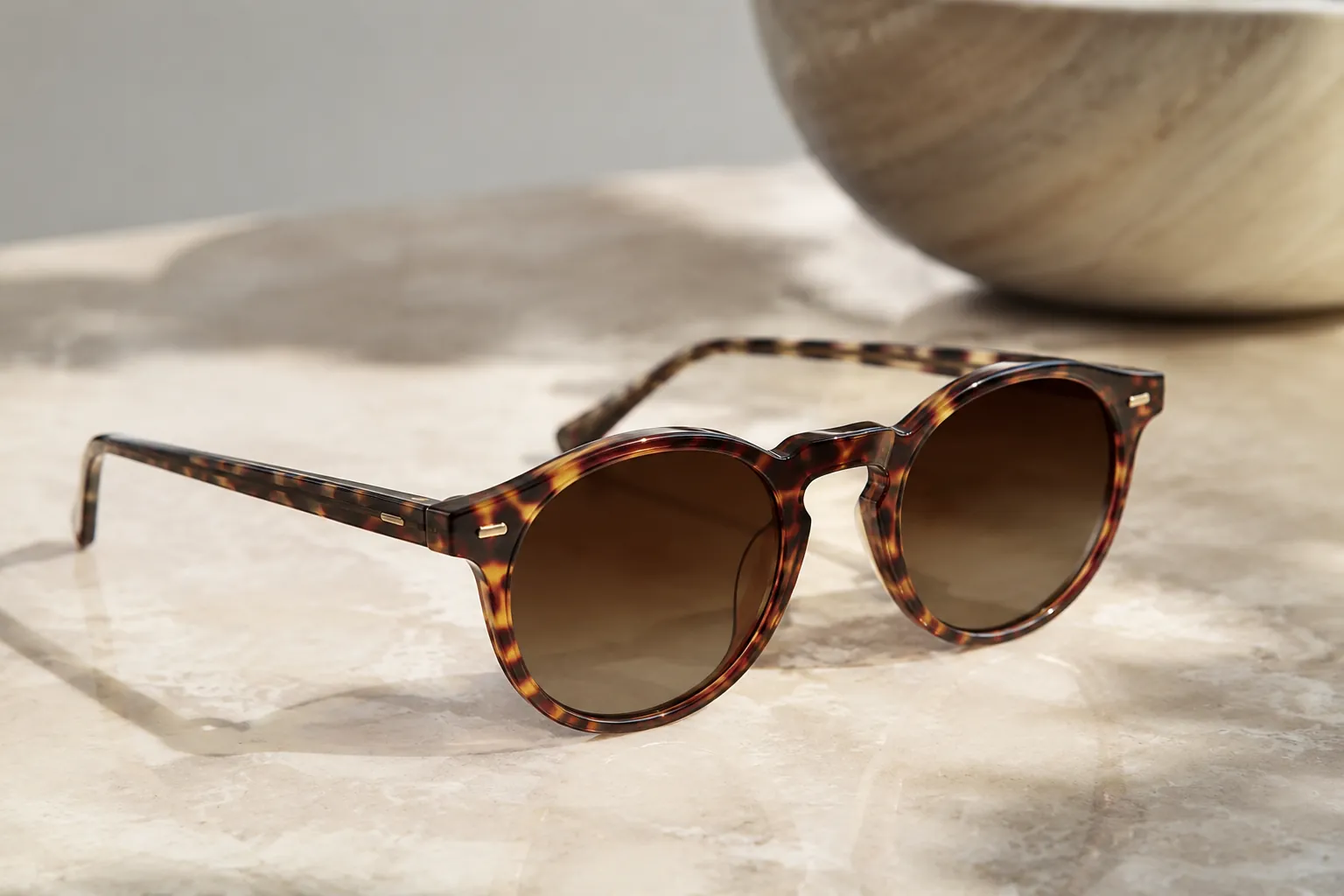
This guide is for brand owners, importers, distributors, and retailers testing a custom sunglasses SKU without stepping into a larger production run. A 50-pair MOQ can work. But only if you build the product around small-batch realities from the start. The goal is not maximum customization. The goal is one clear, saleable style with controlled cost, steady quality, and useful market feedback. That means making disciplined decisions on frame construction, lens specification, branding, packaging, and compliance before you approve samples. Overbuild the first run and unit cost climbs fast. Variation becomes easier to spot too. Simplify with intent and a 50-pair order can still look retail-ready while giving you solid data for the next PO.
Start with the right 50-pair strategy
Treat a 50-pair MOQ as a controlled product test, not a collection launch. Use it to check shape, color, fit, price point, packaging response, and sell-through before you move into a larger run where setup costs are spread across more units.
Small orders still require the same core pre-production work as larger ones: artwork prep, sample approval, production setup, material allocation, and inspection planning. None of that disappears just because the order is small. It simply hits the cost per pair harder.
That is why a style that feels expensive at 50 pairs can still make sense at a higher volume with few or no design changes. The usual mistake is trying to force too much customization into the first order. Several frame colors, multiple lens tints, decorative trim, custom packaging, and extra inserts on only 50 pairs add complexity faster than they add value.
- Use 50 pairs to test one SKU direction, not a broad assortment.
- Keep the first order to one frame shape, one lens specification, and one primary branding method.
- Limit colorways to one or two so QC is easier to manage.
- Prioritize fit, lens appearance, logo placement, and pack-out consistency.
- Hold premium add-ons until the style proves demand at a larger reorder quantity.
Keep the test narrow. You want clean feedback. Not noise from too many variables.
Choose frame constructions that hold up in small runs
The most expensive low-MOQ error is choosing a frame build that depends on tooling changes, heavy hand finishing, or unstable manual assembly for only 50 units. Small runs usually work better when the construction is already proven and the path from approved sample to bulk is easy to control.
Modified existing molds or established frame programs are usually safer than developing a fully new shape for a first test. Injection-molded plastic frames are often the most practical starting point because the process is repeatable and assembly is simpler. Acetate can carry stronger perceived value, but it also brings more manual cutting, polishing, fitting, and finishing. In a very small batch, that makes visible variation more likely.
Define a few measurable checkpoints on the spec sheet before approval: front width tolerance, temple length tolerance, lens seating without visible stress, hinge alignment, and balanced left-right opening. These are not premium extras. They are basic controls. Agree exact tolerances with the supplier in advance and make sure they fit the chosen construction.
| Construction | Best use at 50 pairs | Advantages | Watch-outs |
|---|---|---|---|
| Injection molded plastic | Fast retail test, trend styles, entry-to-mid price launches | Repeatable dimensions, simpler assembly, easier cost control, lower development risk when based on existing tooling | Can look low grade if surface finish, wall thickness, or parting-line cleanup are poorly controlled |
| Acetate cut-and-polished | Boutique or fashion-led positioning | Richer color depth, stronger hand feel, higher perceived value when finished well | More labor intensive, more finish variation risk, and less forgiving for a very small pilot run |
| CNC-finished upgrades on existing programs | Small custom differentiation | Adds detail without requiring a fully new mold, useful for subtle premium cues | Too many machined details can slow production and increase reject risk |
| Fully new custom mold program | Usually not ideal for a first 50-pair test | Maximum originality if the concept later scales | Higher development cost, more sample rounds, and weak fit with a learning-stage order |
If you want to avoid a cheap look, focus on proportion first. Balanced temple thickness, a clean bridge transition, and even lens seating usually matter more than extra decoration.
Use branding methods with low execution risk
At low MOQ, branding should look deliberate and be easy to repeat consistently. A common mistake is adding too many visible brand elements because the first run needs to feel distinct. On eyewear, that often creates clutter. It also makes every placement error easier to see.
For most 50-pair orders, one outward-facing brand cue and one inside-temple information print are enough. That gives you visible identity plus basic product information without complicating production. In practice, the safest options are usually pad printing for inside-temple information, laser marking on suitable surfaces, or one small metal logo plate if the frame and price point support it.
Each method has limits. Pad printing is flexible and cost-efficient, but the artwork must suit the print area. Laser marking can look clean and durable, but contrast depends on material color and surface finish. Metal logo plates can add perceived value, but only if size, edge quality, and position are tightly controlled.
- Pad printing: Best for inside temple logos, model codes, size marks, and country-of-origin information. Confirm final artwork at production size so text stays legible.
- Laser marking: Good for subtle branding where you want a cleaner appearance. Ask for marked samples or clear photos on the actual frame material and color.
- Metal logo plates: Use one small plate, usually on the outer temple, only if the frame has enough visual weight to carry it. Oversized trim on a light frame often looks forced.
Ask for a logo position drawing before sampling. Small placement shifts show up fast on sunglasses because the product sits on the face. If you use metal trim, confirm the attachment method and inspect edge fit at sample stage. A lifting or crooked plate can ruin the whole product impression.
Put the budget into visible quality first
At 50 pairs, not every upgrade matters. Some do. Some do not. Spend first on what the customer sees and handles right away.
For a low-MOQ launch, that usually means frame finish, lens consistency, hinge function, logo cleanliness, and basic protective packaging. These details decide whether the sunglasses look credible at retail. By contrast, a costly rigid box, several color splits, or decorative extras can drain budget without making the test more useful.
| Budget area | Worth paying for at 50 pairs? | Reason |
|---|---|---|
| Better lens tint consistency | Yes | Customers notice mismatched or uneven lenses immediately when viewing the frame straight on |
| Clean logo application | Yes | Crooked prints, rough edges, or poorly fitted trim make the whole product look low grade |
| Premium rigid gift box | Usually no | High packaging cost is hard to justify on a test order unless the retail channel specifically requires boxed presentation |
| Microfiber pouch or simple case | Yes | Improves perceived value and helps protect the product without adding major packing complexity |
| Multiple extra frame colors | No | Splits quantity, complicates QC, and weakens the clarity of your market test |
A practical first-order packaging mix is usually simple: a clean outer carton, a microfiber pouch or basic case, barcode labeling if needed, and one consistent tag or sticker system. That is enough to make the unit retail-ready without forcing luxury packaging onto a product test.
Lock compliance before sample approval
Many low-MOQ buyers treat compliance as paperwork to sort out after the sample looks good. That is a bad sequence. If the sunglasses are meant for regulated markets, check the lens specification, product marking, and supporting documents before bulk approval.
Common standards and checkpoints in sunglasses sourcing include CE EN ISO 12312-1, ANSI Z80.3, AS/NZS 1067, REACH, and FDA registration where relevant to US importer handling. Factory-level credentials such as ISO 9001 and BSCI can help with supplier due diligence, but they do not replace product-specific compliance for the sunglasses themselves.
The key issue is not whether a supplier mentions these standards in general terms. It is whether the exact product you are buying matches the documents provided. A change in lens tint, lens material, frame material, or labeling claim can change what documentation matters and what can legally appear on the product or packaging.
- CE EN ISO 12312-1: Ask whether the report or test basis matches the sunglass configuration intended for your target markets.
- ANSI Z80.3: Confirm whether the product specification aligns with this standard if you are sourcing non-prescription sunglasses for the US market.
- AS/NZS 1067: Check relevance if the product will be sold into Australia or New Zealand.
- REACH: Ask for material compliance information relevant to the frame, coatings, and other applicable components for the destination market.
- FDA registration: If importing into the US, clarify what supplier documentation is available and what obligations remain with the importer.
Do not print UV claims, category statements, or compliance references on packaging until the supplier confirms the exact lens configuration and the matching documentation in writing. Unverified claims create avoidable customs, retail, and liability problems.
Control the sample-to-bulk handoff with measurable specs
This is where many small orders go wrong. The sample looks fine, but the bulk run drifts because the buyer approved from photos only or never locked the final specification in writing.
A solid handoff file should record frame dimensions, hinge type, material callout, color reference, lens tint reference, branding artwork, logo position, packaging specification, carton labeling, and QC checkpoints. Record measurements in millimeters. For color, use a physical standard or an approved production sample whenever possible, not a phone screen.
- Approve one golden sample and label it clearly.
- Record key dimensions in millimeters on the final spec sheet.
- Confirm color against a physical standard or approved sample, not only a screen image.
- Approve branding artwork at final production size.
- Confirm pack-out method per unit and per export carton.
For eyewear, useful QC checkpoints include temple balance, lens seating, hinge alignment, screw tightness, print adhesion, and visible surface defects under consistent inspection conditions. If you want tighter control, define cosmetic expectations around the logo area and frame front. Those are the zones customers judge first. In-house QC only works when pass-fail criteria are clear enough that inspectors are not making personal calls.
Use packaging to support the price point
Packaging can improve perceived value, but only if it matches the product. A basic frame in oversized premium packaging feels off. A decent frame in clean, practical packaging usually feels more credible.
At low MOQ, packaging should do three jobs well: protect the sunglasses, present them consistently, and avoid unnecessary packing complexity. A microfiber pouch, sensible polybag use where required, clear outer labeling, and disciplined carton packing usually do more for a 50-pair order than a complicated retail box with multiple inserts.
Ask practical questions before approval. Are the temples protected from rubbing in transit? Are the lenses protected if the material and finish require it? How many units go in each inner pack and master carton? How will cartons be labeled for SKU and quantity control? These details matter because even minor transit damage has a bigger commercial effect when the whole order is only 50 pairs.
The cheapest-looking sunglasses are rarely the ones with the fewest features. They are the ones where frame finish, branding, and packaging do not match.
Keep the product story aligned. If your retail position is value-driven, use packaging that is simple and clean. If your position is more boutique, spend first on frame feel, finish consistency, and restrained branding, then upgrade packaging only where margin supports it.
A practical 50-pair formula that works
If you want a low-risk starting point, keep it narrow and measurable. Use an existing or proven frame construction, one lens tint, one restrained branding treatment, and packaging that protects the frame without overselling the product.
A strong first order often looks like this: 50 pairs of one design, an injection-molded frame or a carefully chosen acetate program, one approved lens specification, inside-temple print plus one outward-facing brand cue, a microfiber pouch or simple case, and destination-matched compliance documents reviewed before bulk approval. That structure keeps the order commercially realistic while still giving you useful insight into styling, sell-through, and customer response.
Widen the offer later. A reorder is the right time to test a second color, upgraded packaging, or more decorative branding details. The first 50-pair run should answer one question clearly: does this style sell well enough to justify the next order with tighter costing and broader options?
Start narrow. Keep the frame honest. Lock the specs. That is how a 50-pair MOQ can test the market without making the product look cheap.
Have a custom sunglasses project in mind?
Send us your styles, target market and quantities and we will return a detailed quote with MOQ, lead time and a sample plan.
Get a QuoteWhy source this from Wenzhou with LumiShades
Wenzhou in Zhejiang Province is widely regarded as China’s eyewear manufacturing capital, producing a large share of the world’s sunglasses. That concentration matters to buyers: a deep local supply chain for acetate sheet, hinges, lens blanks, plating and packaging means shorter component lead times, easier color and material matching, and a workforce with decades of eyewear-specific skill. LumiShades has manufactured in this ecosystem since 2009, and our vertical integration — in-house injection molding, acetate cutting, CNC milling, lens tinting, decoration and quality control — means no part of your order is quietly subcontracted to a workshop you cannot audit.
For international buyers, that vertical control translates into accountability. When a single factory owns every step, defects are traced and fixed at source rather than bounced between vendors, and your specifications survive intact from first sample to bulk. We back this with 15+ years of experience, shipments to 60+ countries, more than 5 million pairs produced per year and a 98.5% on-time delivery rate. Our certifications — CE EN ISO 12312-1, FDA registration, ANSI Z80.3, AS/NZS 1067, REACH, ISO 9001 and BSCI audit — mean the compliance documentation your market requires already exists. Explore our manufacturing capabilities and quality control process to see how this works in practice.
Frequently asked questions
Can I split 50 pairs across several colors? Yes, but check the minimum per color before approving the order. For a first run, one or two colors is usually the safer choice because it simplifies material allocation, logo consistency, and final inspection. If you do split colors, require the supplier to list the exact quantity per color on the PI and on the final packing list so nothing gets blurred at shipment stage.
What is the safest frame type for a low-MOQ launch? A proven injection-molded frame based on existing tooling is usually the lowest-risk choice for a first 50-pair order. Ask whether the style is already in regular production, what material it uses, and whether the supplier can provide a recent sample with your lens and logo specification. If you prefer acetate, request close-up sample photos and a physical sample so you can judge polishing, edge consistency, and hinge fit before bulk approval.
Should I use metal logo plates on a 50-pair order? Only if the frame design supports them and you can verify the execution at sample stage. Ask for a placement drawing, confirm the plate size in millimeters, and inspect how the plate is attached and finished at the edges. If the frame is lightweight or the retail price point is modest, a clean print or laser mark is often a safer choice than decorative metal trim.
What compliance documents should I ask for first? Start with the product standard that fits your destination market: CE EN ISO 12312-1 for applicable markets, ANSI Z80.3 for non-prescription sunglasses in the US, or AS/NZS 1067 for Australia and New Zealand. Then ask for REACH-related material compliance information where relevant, and clarify any FDA registration context for US importing. You can also ask whether the factory holds ISO 9001 or BSCI, but treat those as supplier due-diligence documents, not substitutes for product compliance. Always confirm that the documents relate to the exact lens and frame specification you are approving.
How do I keep the bulk order consistent with the sample? Approve one golden sample and turn it into a written production standard. Your final spec sheet should include dimensions in millimeters, frame and lens materials, color references, lens specification, artwork files, logo position, packaging method, carton labeling, and QC checkpoints. Require the supplier to reference that approved sample and spec sheet during production and inspection, and ask for pre-shipment photos of the packed goods and carton labels before balance payment if your payment terms allow it.
Ready to start?
Explore our cat-eye sunglasses or request a quote — our sales team replies within 12 hours.
Request a Quote